
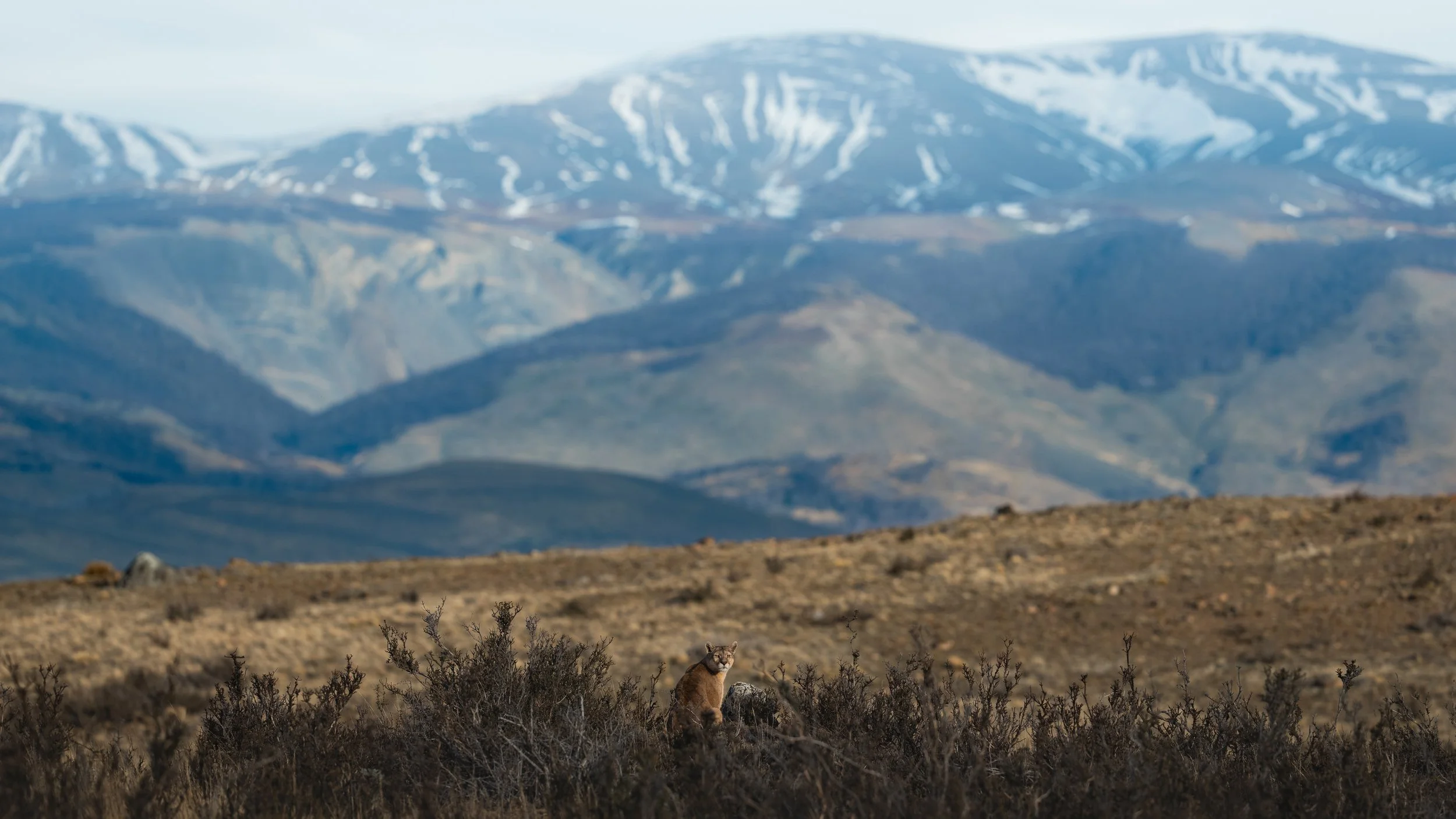
WinterPumas in Patagonia
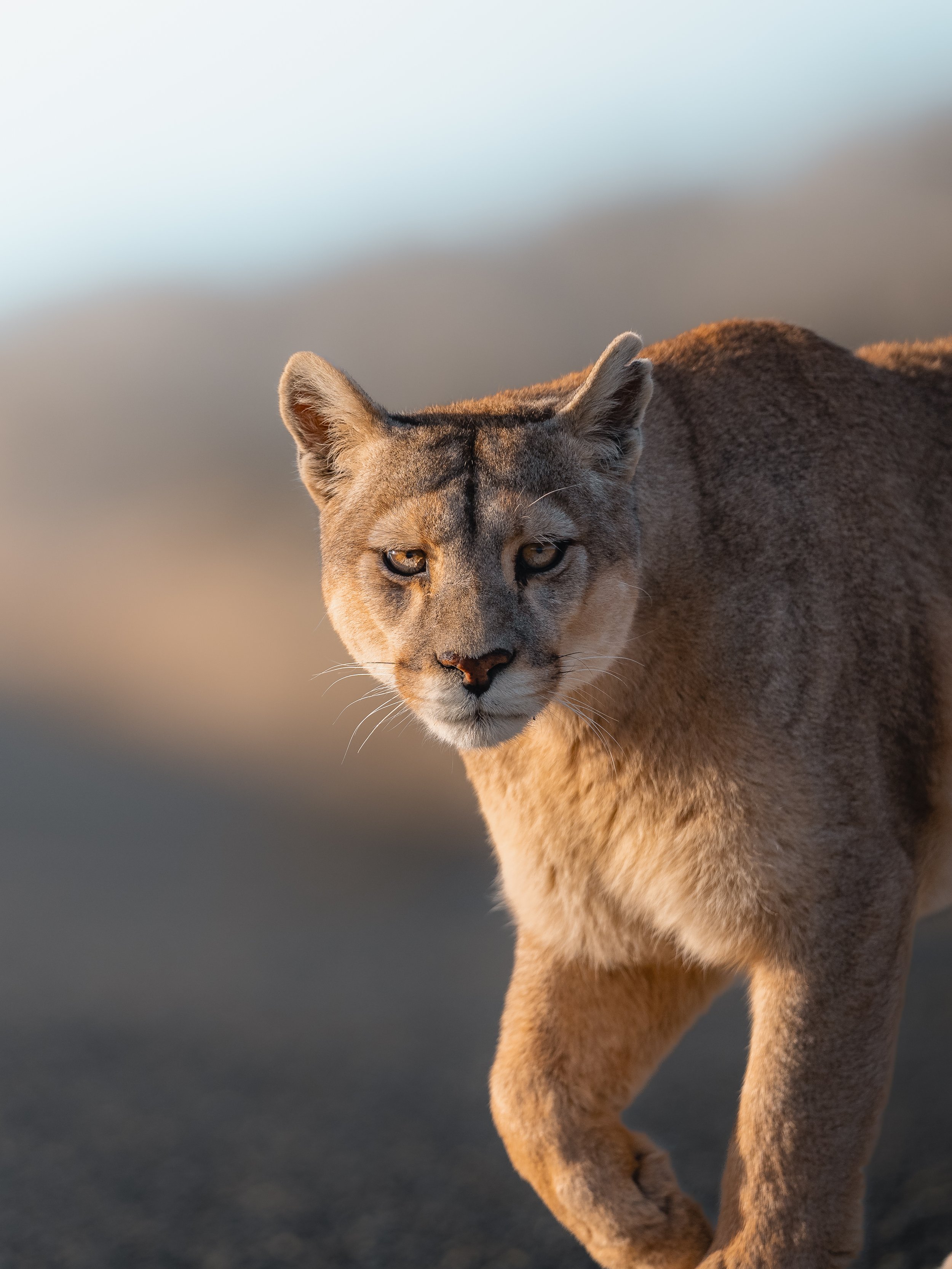
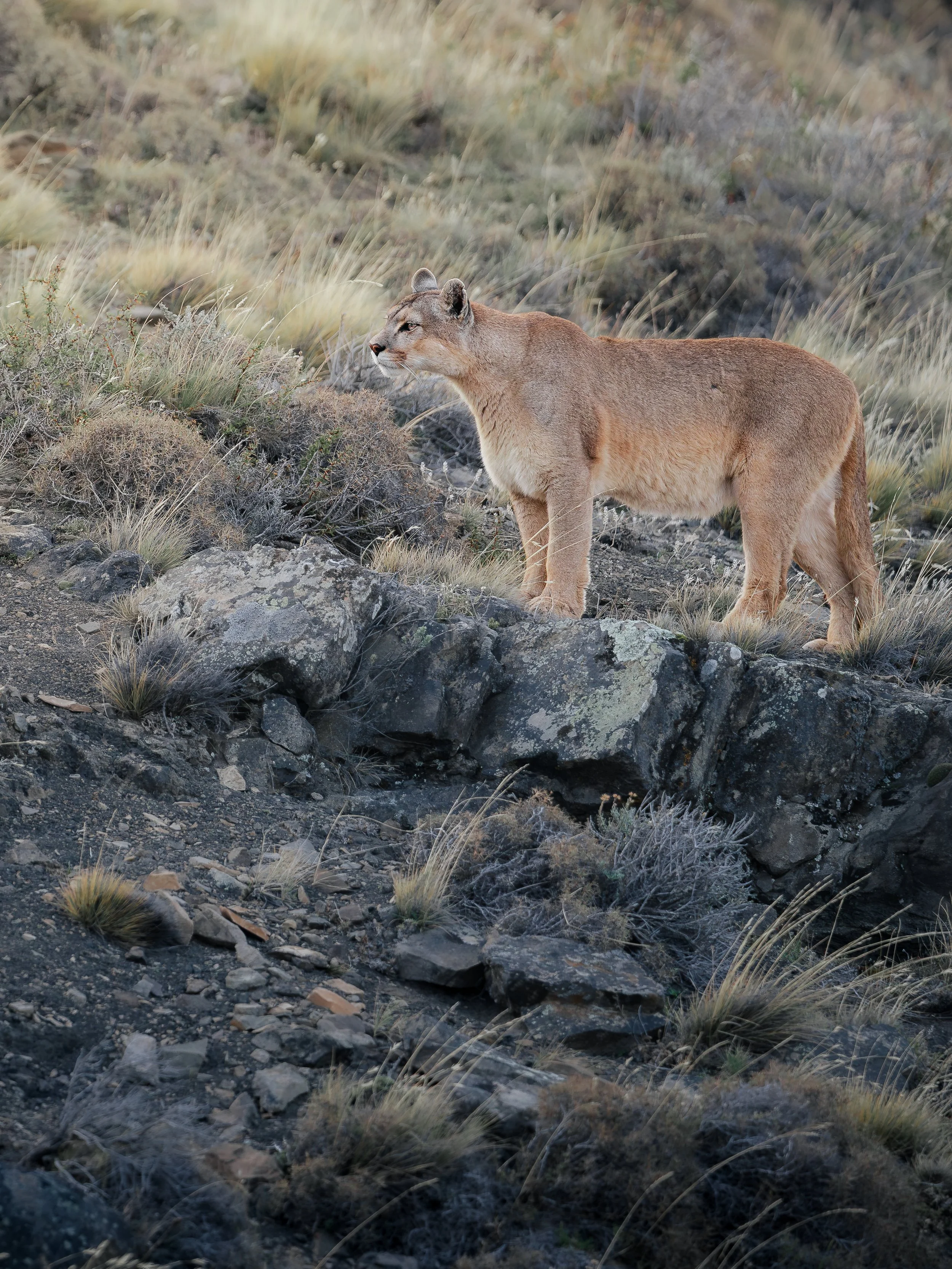
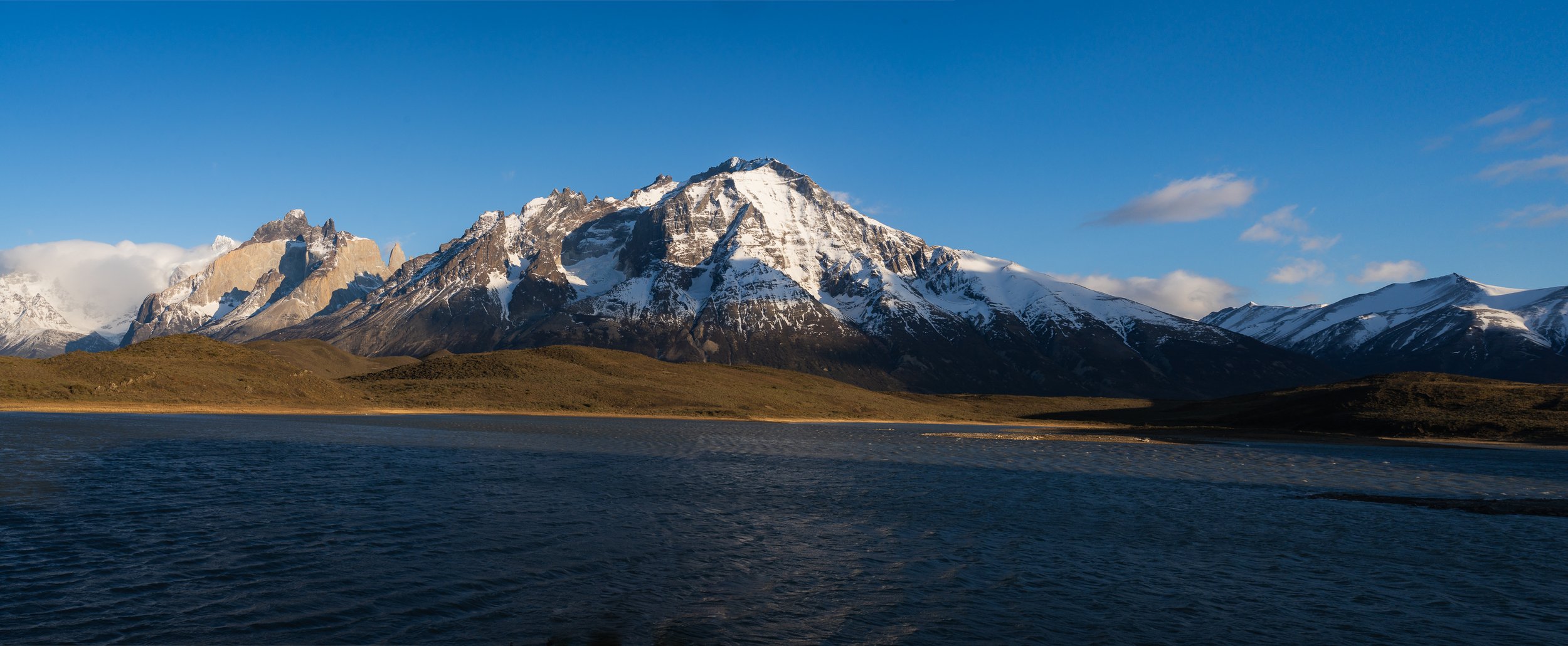
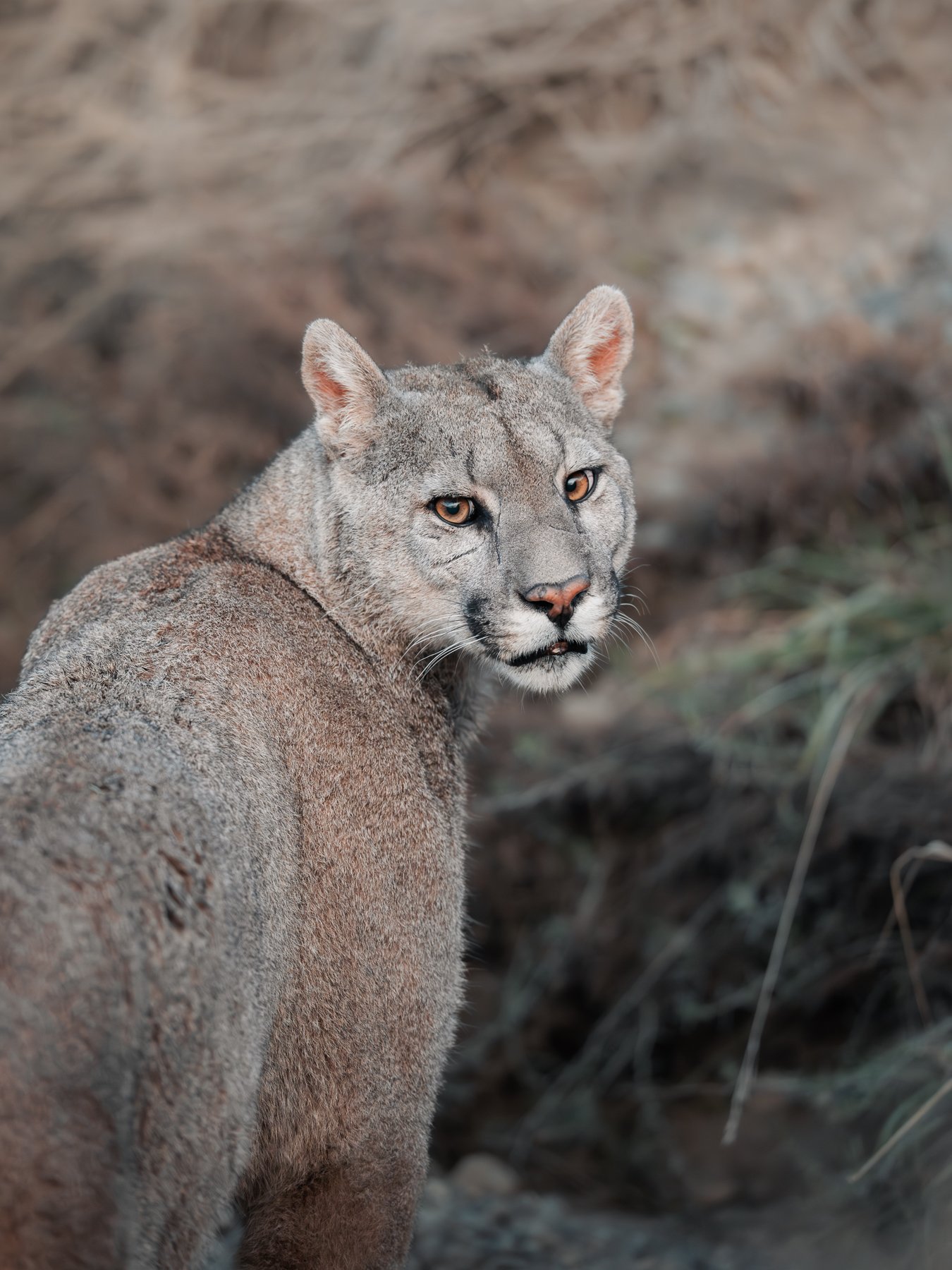
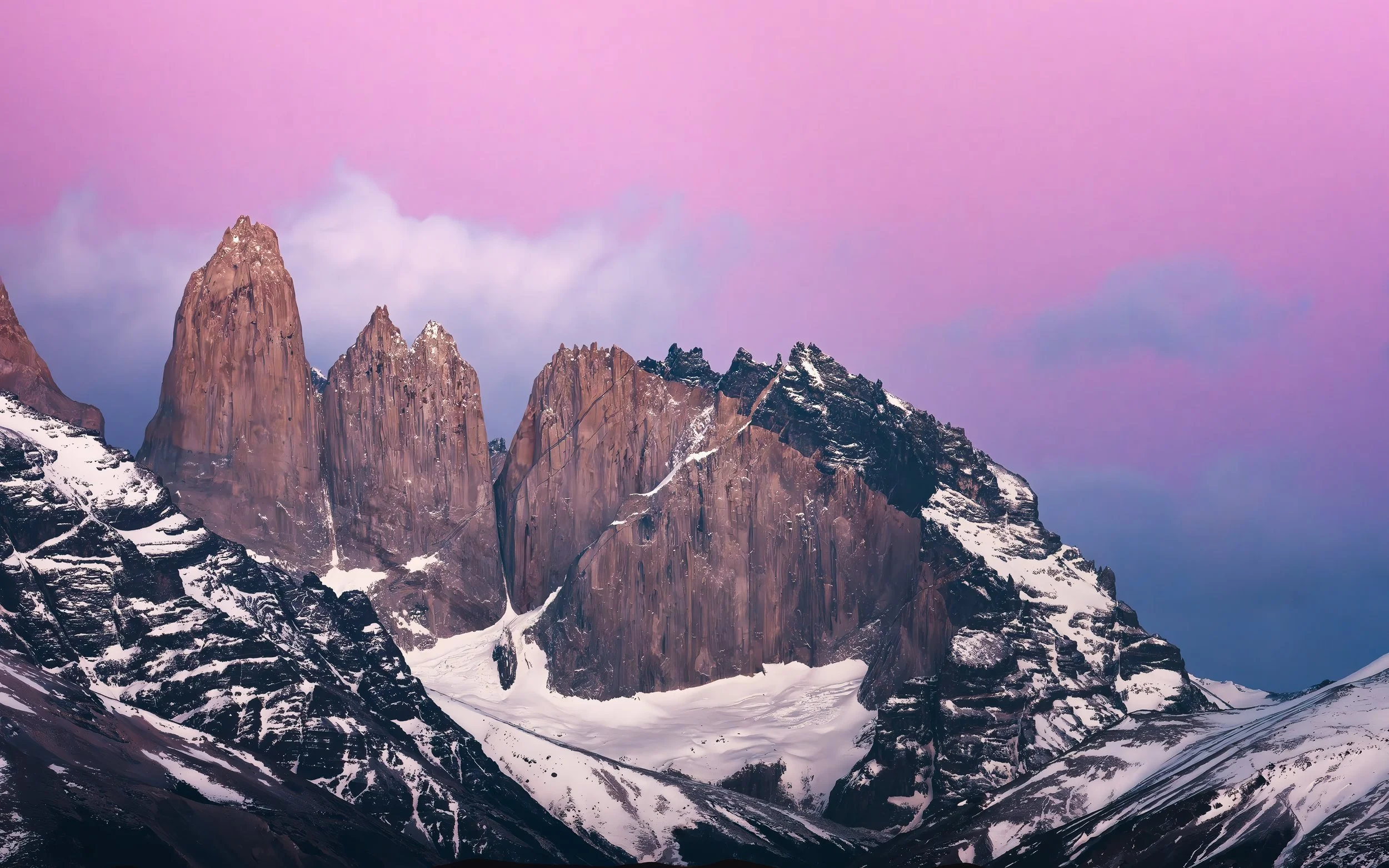
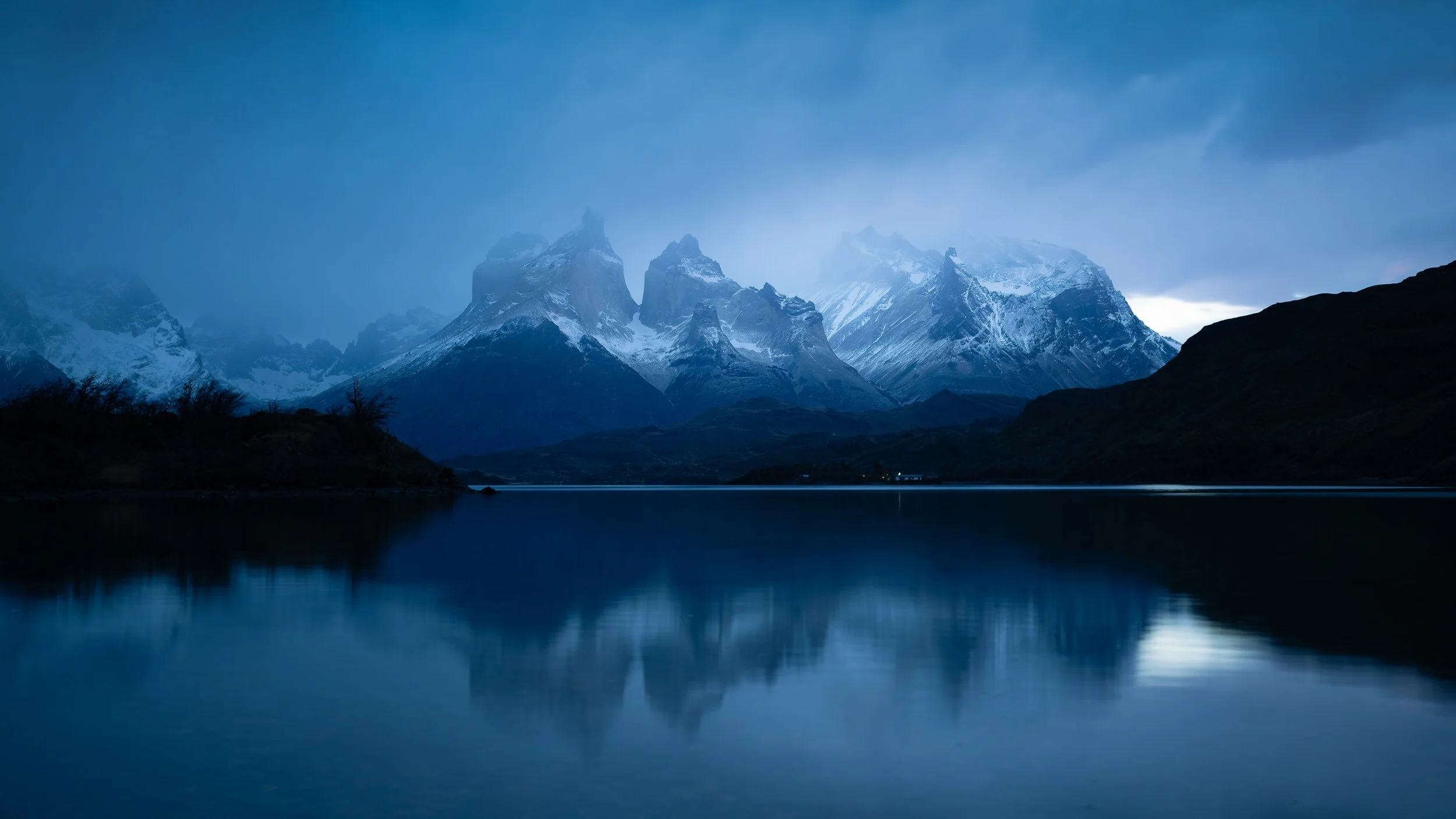
TORRES DEL PAINE[CHILE]50.9423° S, 73.4068° W [ OVERVIEW ]Join THE WILDIST and Fer in winter around Torres del Paine National Park in Patagonia, one of the most reliable places in the world to observe and photograph wild pumas. The region has become well known among wildlife filmmakers and is a frequent destination for documentary teams from the BBC, National Geographic, and other productions looking to capture puma behavior in the wild
Experience Details
July 2027
Next Dates
Trip Duration
7 days 6 nights
Pricing
$2,700.00 USD
Dates may vary 1-5 Days depending on group preference
Shared accommodation.(single accommodation available upon request + $500 USD)
Registration for the 2027 expedition is open until May 15, 2027, or until it fills.
Status: Availability (Exp. 2027).
Status: Open(Exp. 2028).
Expedition Limited to 6 People.
If the dates don’t quite work, Tailored Expeditions are available by request.
A Day in the Expedition
***
A Day in the Expedition ***
Days begin before dawn, and usually with coffee. It’s cold, especially in winter, so something warm in hand before stepping out makes a difference; then a quiet drive toward the park as the sky slowly shifts. By the time we arrive, the landscape is still, and the mountains are just beginning to catch the light, allowing us to take the first photos.
With a certified tracker, we move through different areas inside and outside Torres del Paine National Park, adjusting to what the day gives us: fresh dead prey, subtle movement, and the behavior of guanacos or condors overhead. The plan is never rigid. Wildlife sets the pace.
Midday offers a pause. Lunch in the field or at the park’s welcome center, time to review images, talk through settings, share observations, and reset before heading back out.
As the light softens, we stay with it. The final hours are often the most rewarding. When the day closes, we return to Puerto Natales and gather again over dinner. Local dishes like salmon, centolla, slow-cooked cordero, or a warm bowl of cazuela are some of the delicious Patagonian and Magallanic plates to enjoy after a long day in the cold. Nothing formal, just good food, good company, and a chance to trade stories and look back through the moments we were lucky enough to witness.
Itinerary
Arrival day is unhurried. The group arrives in Puerto Natales and settles into the hotel. In the evening, we gather for introductions, meet our tracker, review the plan for the week, go over field expectations and the photography approach, and answer any questions.
If time and energy allow, we take a relaxed walk through town along the waterfront, stretching our legs and beginning to connect as a group. Dinner is shared locally — fresh Patagonian ingredients, good conversation, and the first of many stories to come.
Day 1
These are full days in the field. We begin before dawn, then drive into Torres del Paine as the mountains catch first light. From the moment we arrive, we scan the landscape for subtle signs. Binoculars are provided to make careful observation easier. Wildlife sets the pace. Different photographic opportunities will also be created during the day.
Midday brings a simple break to warm up, have lunch, and reset before heading back out. Afternoons are spent observing, repositioning when needed, and making the most of Patagonia’s winter light.
Evenings start with a relaxed dinner in Puerto Natales. Back at the hotel, there is time to review images, share editing guidance, and talk through composition and fieldcraft, alongside a great cup of coffee or a shared mate.
Day 2-6
Day 7
Breakfast at the hotel, a final coffee together, and departures home.
[THE JOURNEY]Essential Information
Duration
7 days, 6 nights
Group Size
Small group experience (3-6 people)
Focus
Puma tracking, wildlife observation, and landscape photography
Accompaniment
Certified tracker during all wildlife outings
Terrain
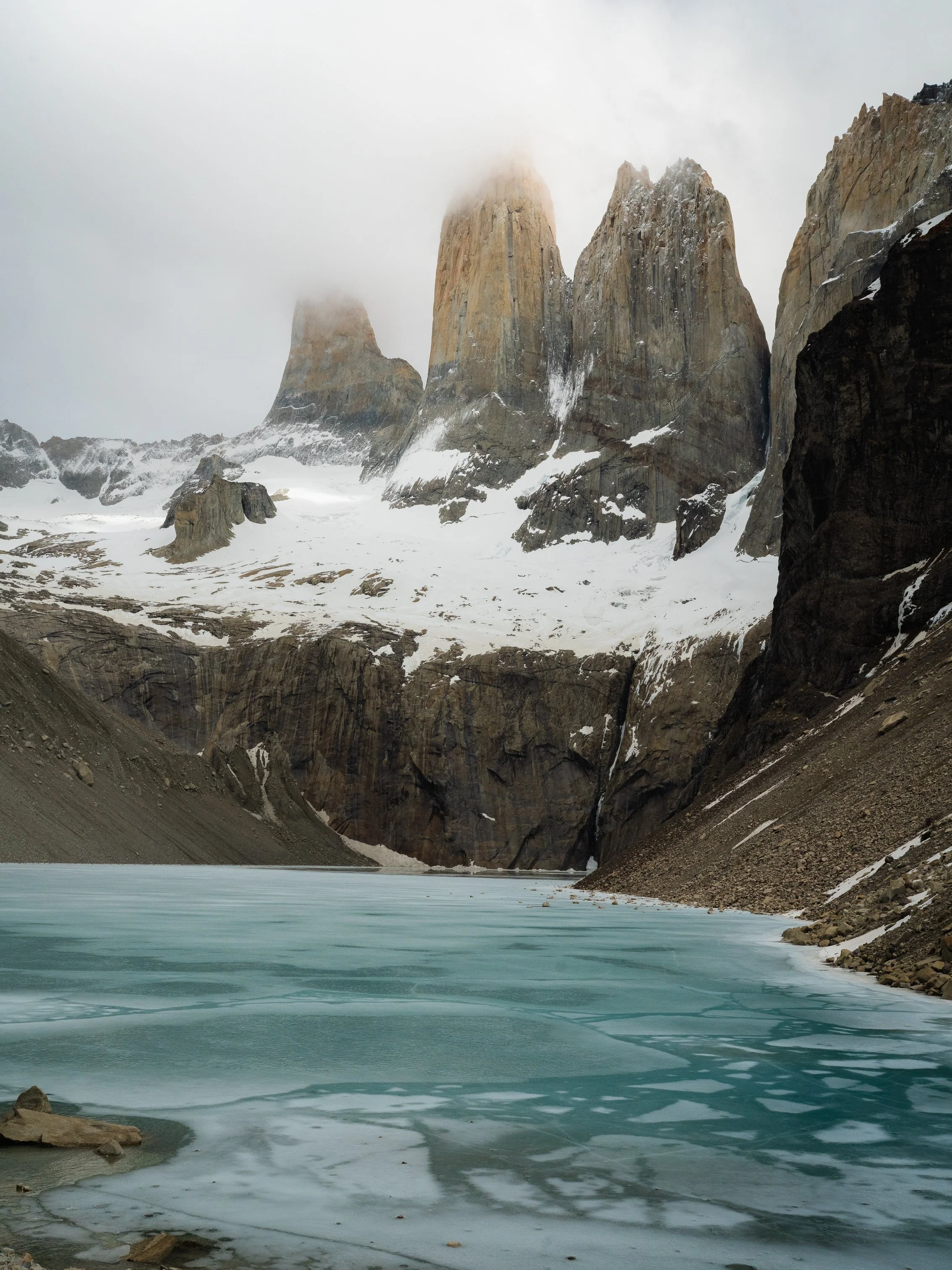
Patagonian steppe, open valleys, ridgelines, and mountainous landscapes
Conditions
Cold temperatures, strong winds, and possible snowy scenes
Physical Level
Medium, short walks and field positioning throughout the day
Photography Support
Field guidance, evening image reviews, and editing discussions.
Optional Experiences (not included) in final price
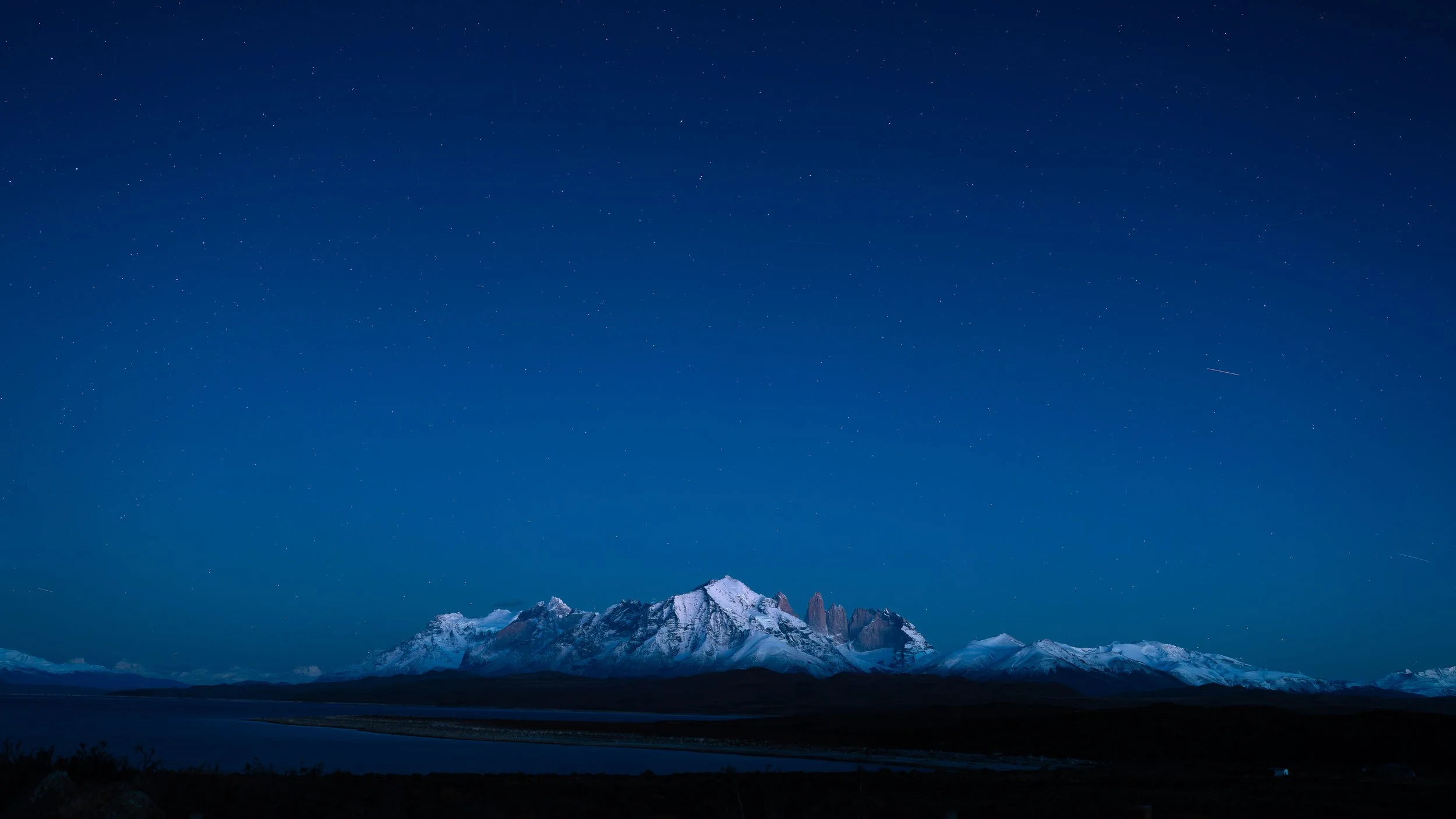
Astrophotography on clear nights
Trek to Base Torres, medium to high physical level, weather permitting
+ Inclusions
Certified guide/tracker for 4 Days
Accommodation: 5 nights in Puerto Natales (shared room for 2, inquire about a private room)
Breakfast
Lunch
Hot drinks and snacks during field days
Round-trip transportation:
Punta Arenas ↔ Puerto Natales
Daily 4x4 transportation
Puerto Natales ↔ Torres del Paine
Technical assistance in photography and editing
National Park entrance fees
— Exclusions
Flights to/from Punta Arenas
Dinners
Additional drinks
Photography equipment
Travel/medical insurance
Tips for tracker
Optional activities
Anything not specifically listed under “Inclusions.”
[ FAQ ]* Common Questions
-
No. This expedition is designed for photographers of all levels, nature lovers, and those looking to explore one of the most inhospitable and wild regions of the planet in winter. The most important things are curiosity, respect for the environment, and the desire to experience the real outdoors.
-
We work in the area with the highest presence of pumas worldwide and are accompanied by a certified tracker, which significantly increases the chances and tips the balance in our favor. That said, wildlife is never guaranteed. The goal is to create the best possible conditions for meaningful encounters, always on the animals’ terms.
-
As close as the puma allows. Our approach is based on patience and respect for the animal. Sometimes that means observing from mid-range with binoculars and long lenses, and other times a puma may move much closer on its own. Every encounter is different. The safety of the animal and ourselves always comes first.
-
Patagonian winter can be cold, windy, and unpredictable. We adapt daily based on conditions. Wildlife often moves in dynamic weather, and dramatic skies can create powerful photographic opportunities. Safety and responsible decision-making always come first.
-
We can provide guidance on flights, transfers, and recommended arrival times. While participants are responsible for booking their own travel, we’re happy to share practical advice to make the journey smooth.
-
A telephoto lens is strongly recommended for wildlife photography. A camera body you’re comfortable using in weather-changing conditions. Cold temperatures can drain batteries quickly, so spare batteries and SD cards are recommended; layered winter clothing and sturdy footwear are essential. + A detailed gear guide will be shared before departure.
-
Group size is about 3-4 people, this is intentionally small. This allows for better positioning in the field, more personalized photography guidance, and a quieter presence around wildlife.
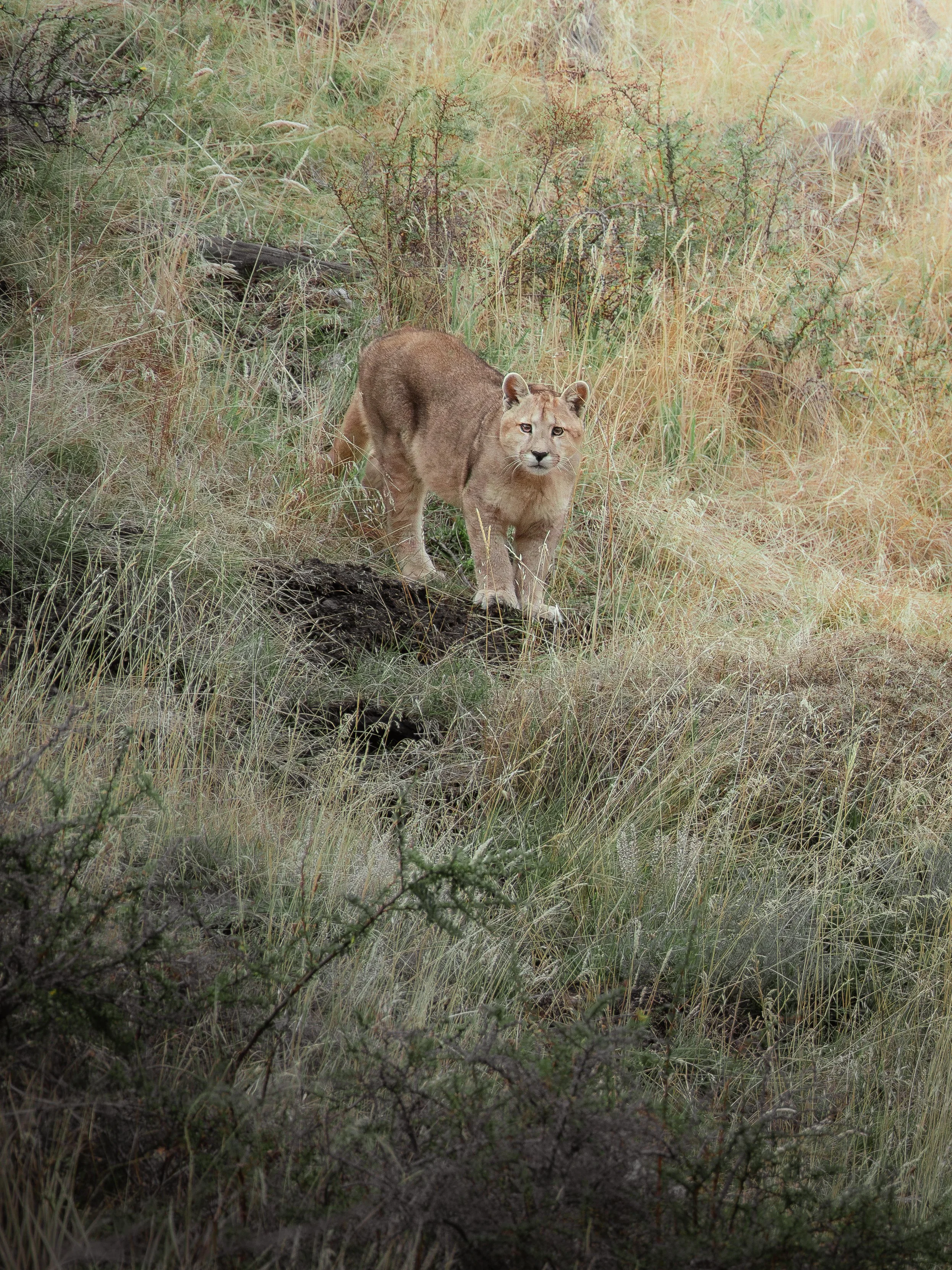
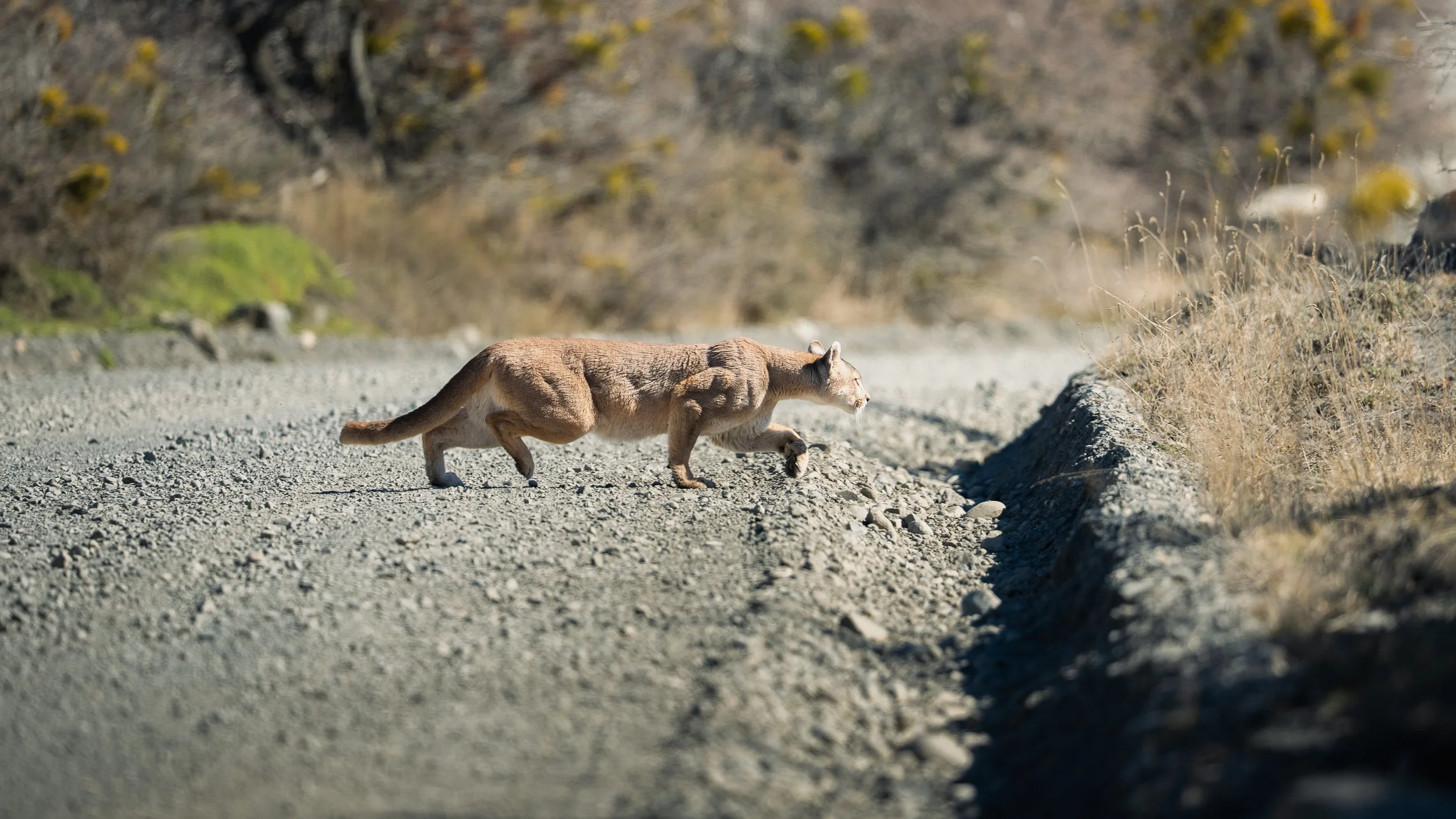
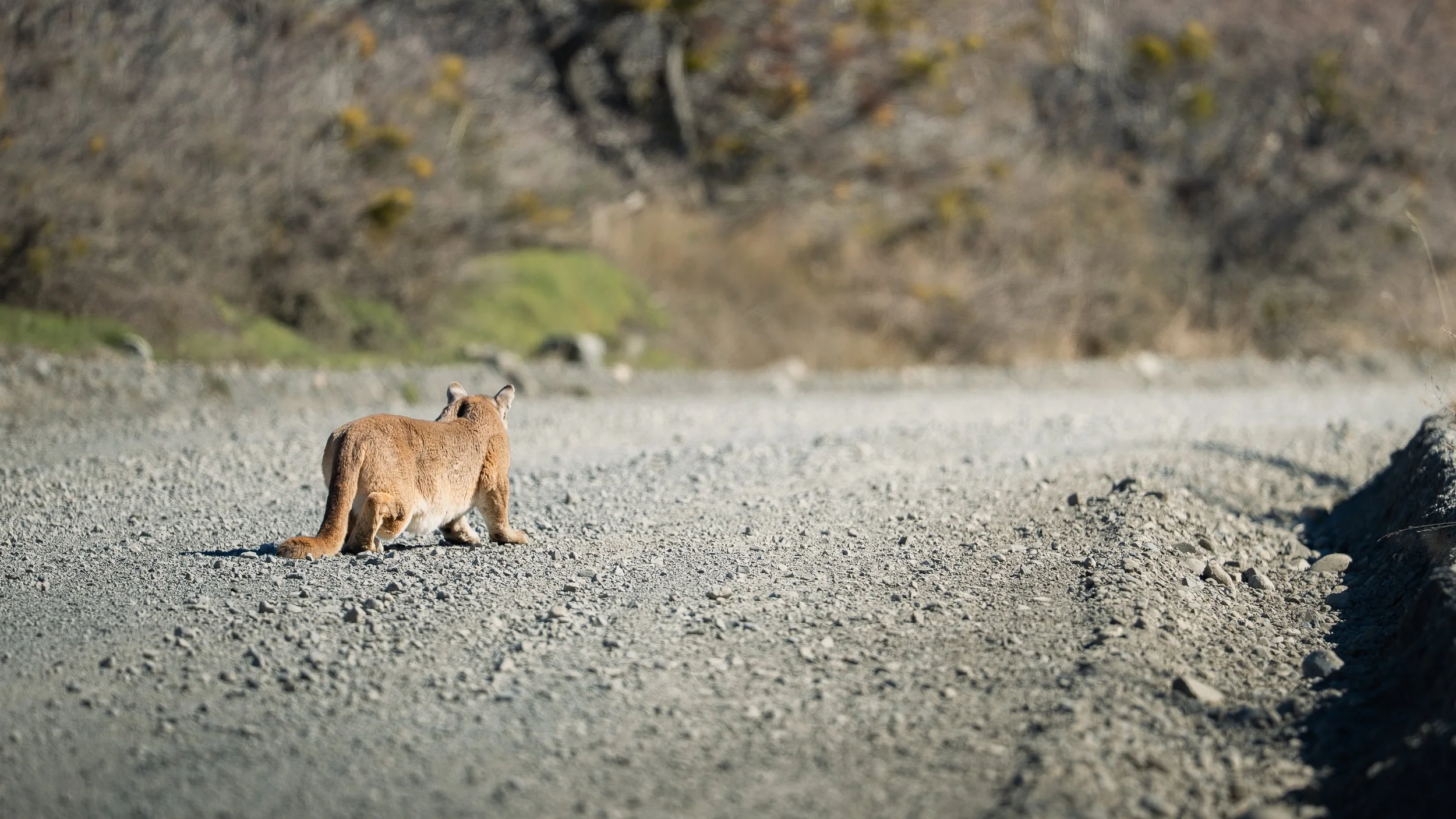
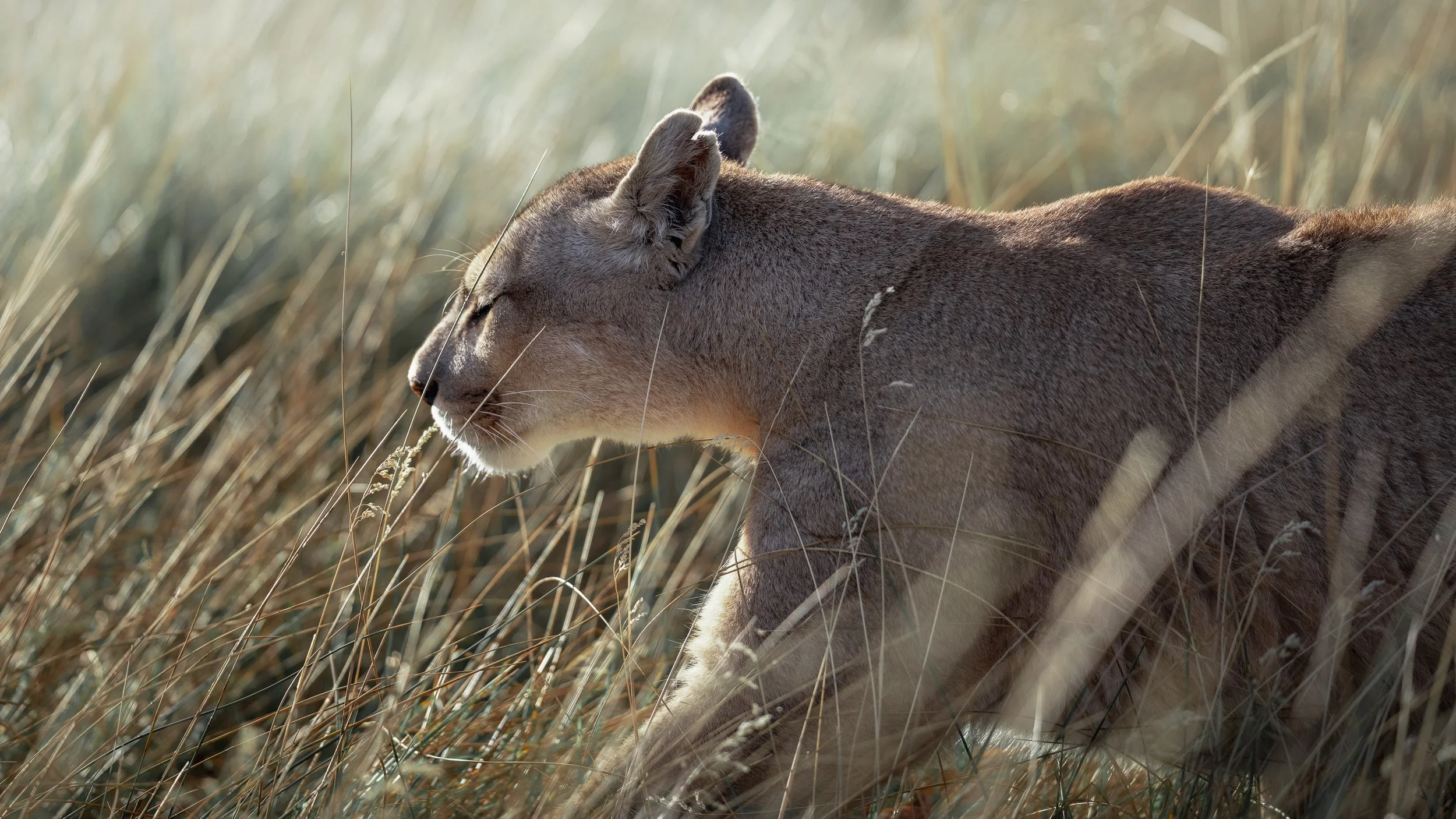
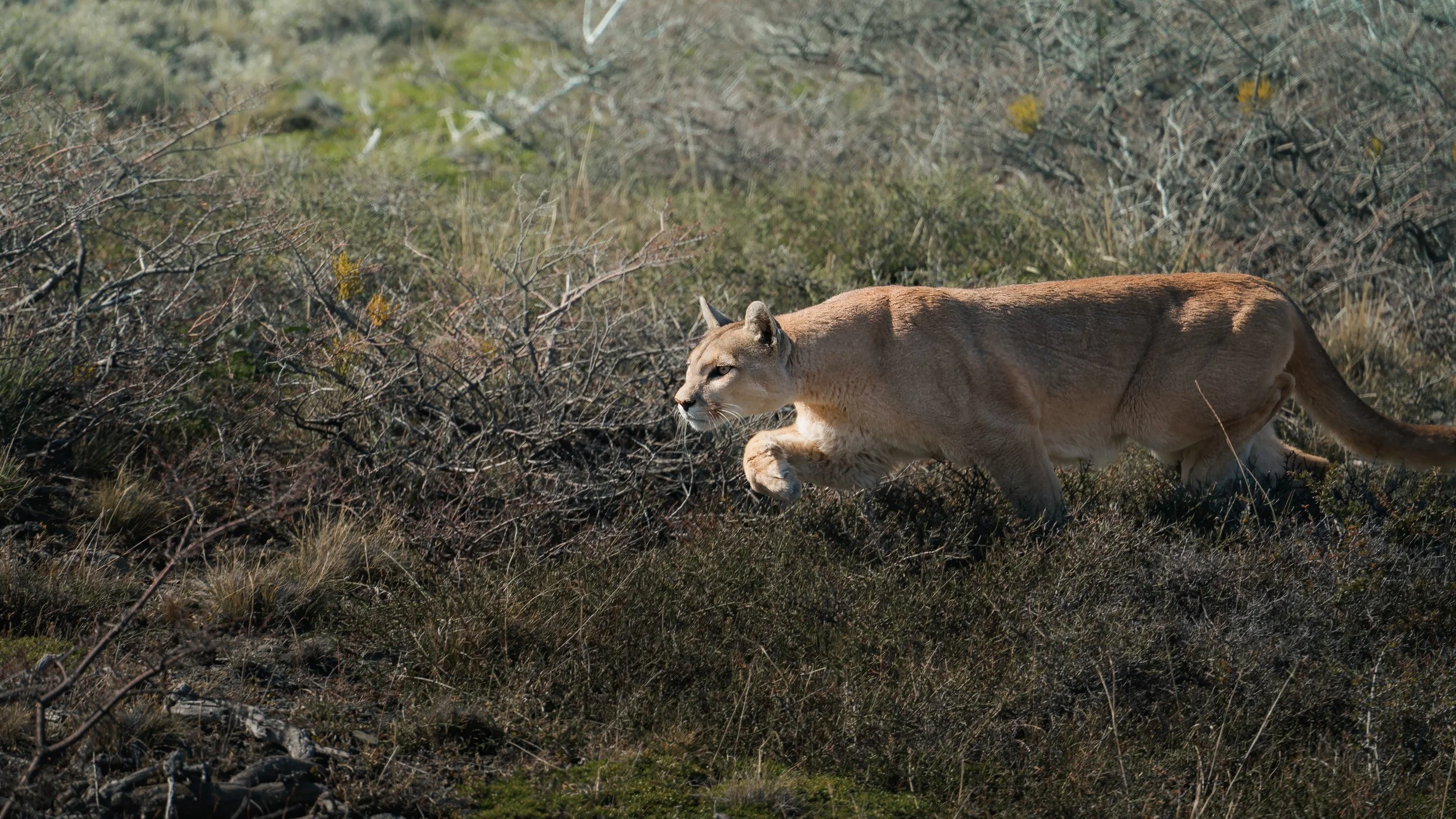
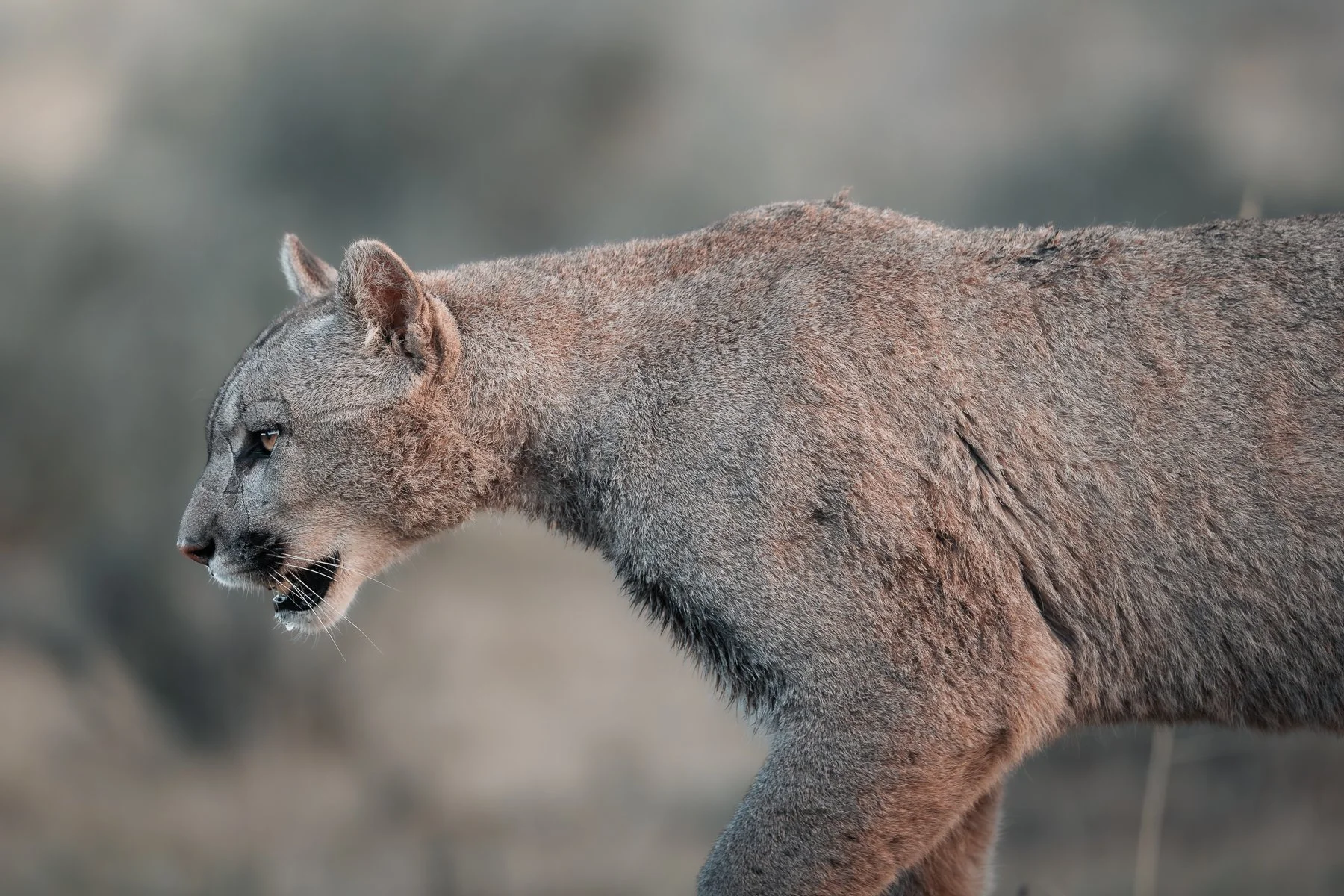
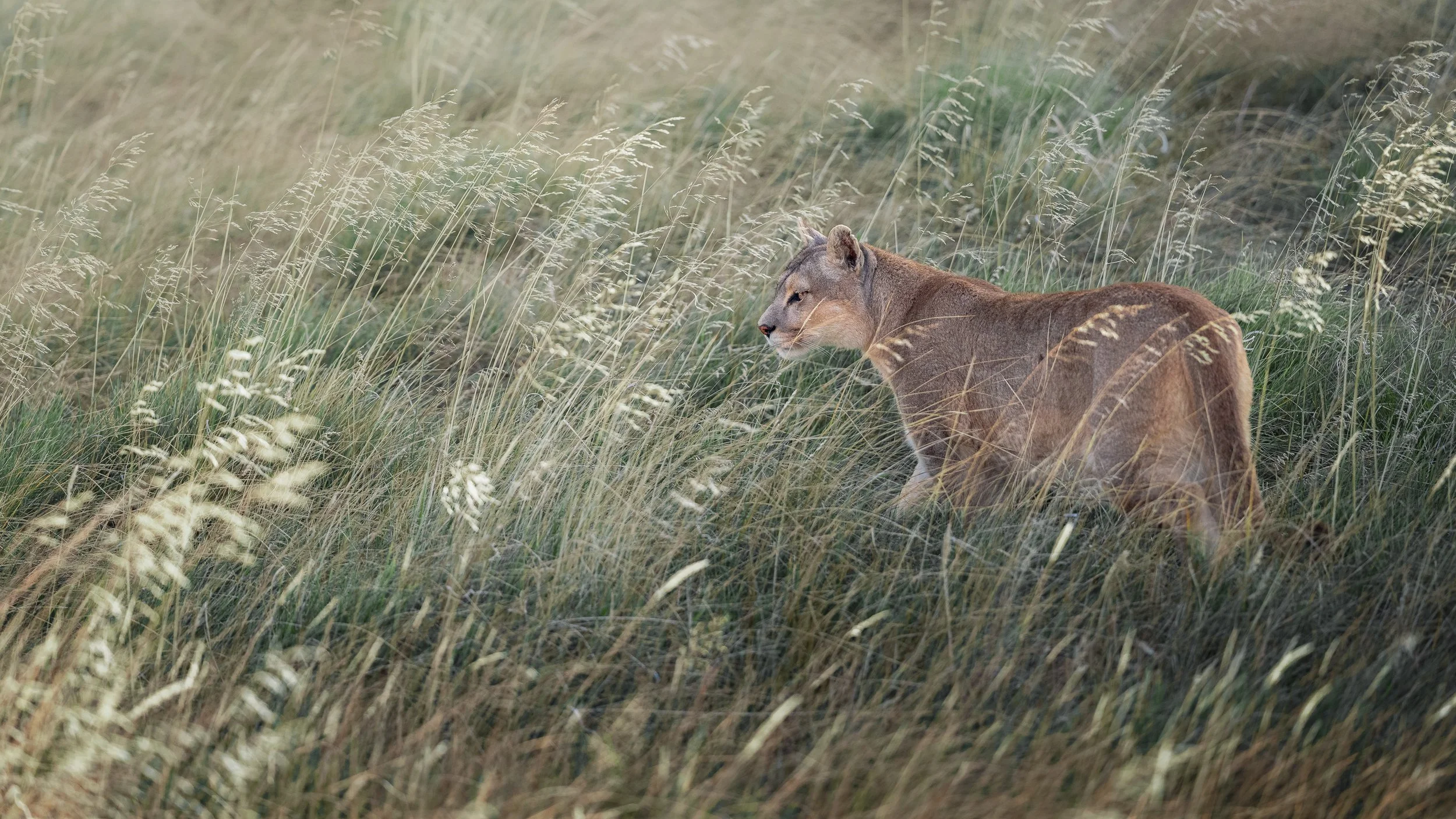
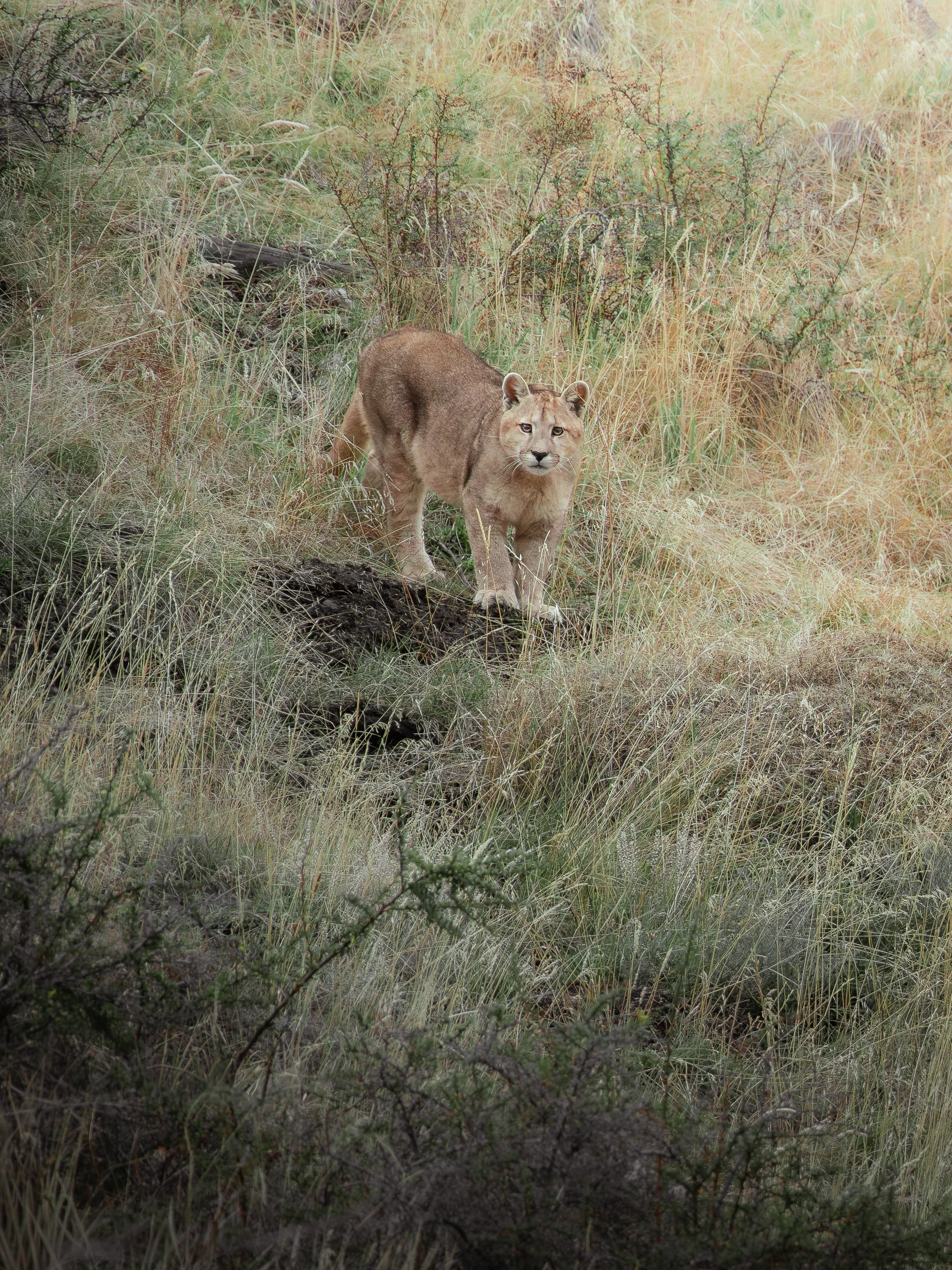
[ ENVIRONMENT ]In Torres del Paine, the puma moves quietly through the landscape. In winter, tracks hold their shape in the snow, and movement becomes easier to follow across open ground. Pumas are mostly solitary, covering large territories and adjusting constantly to weather, prey, and terrain. Often, you sense their presence before you see them.
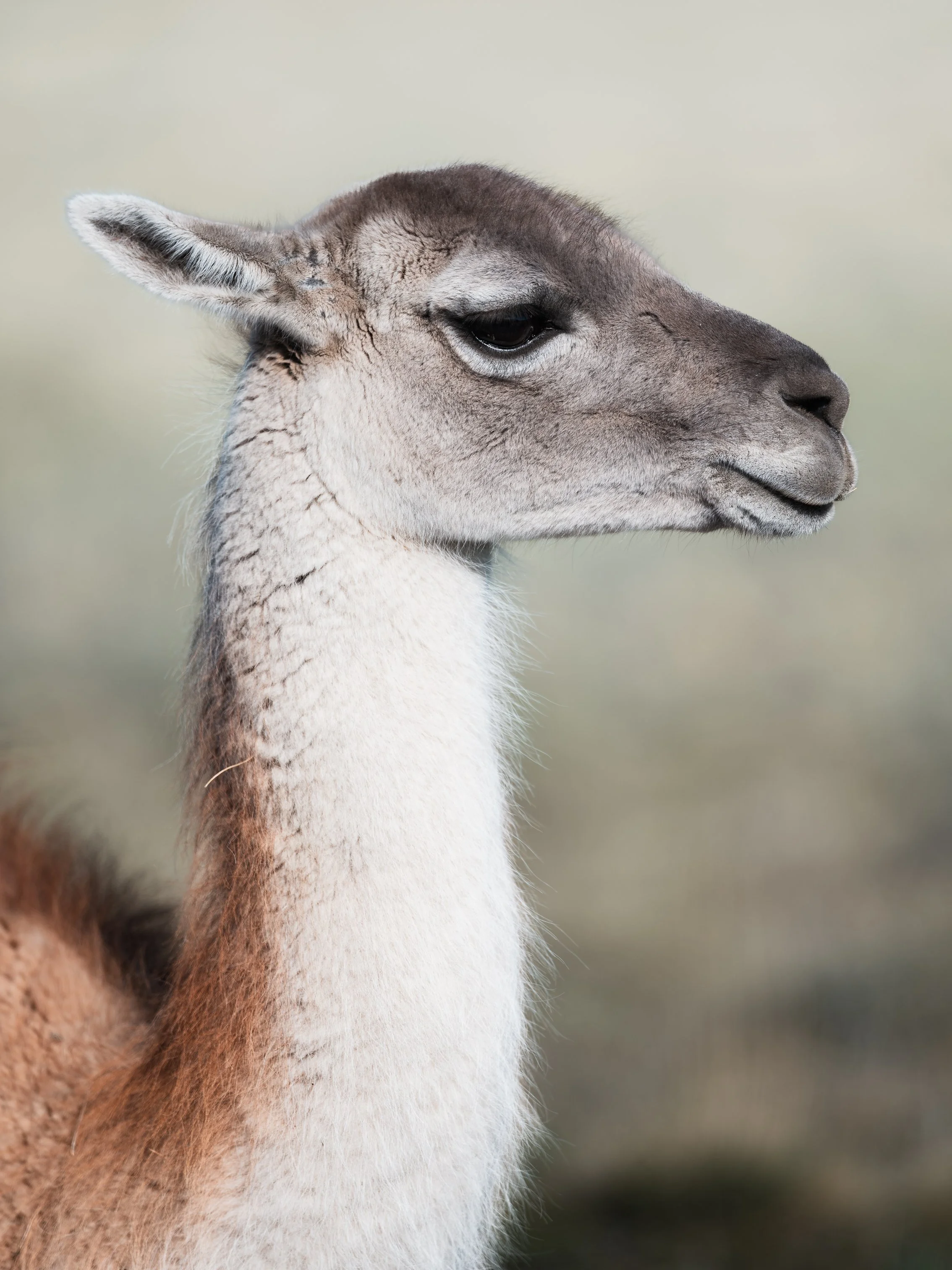
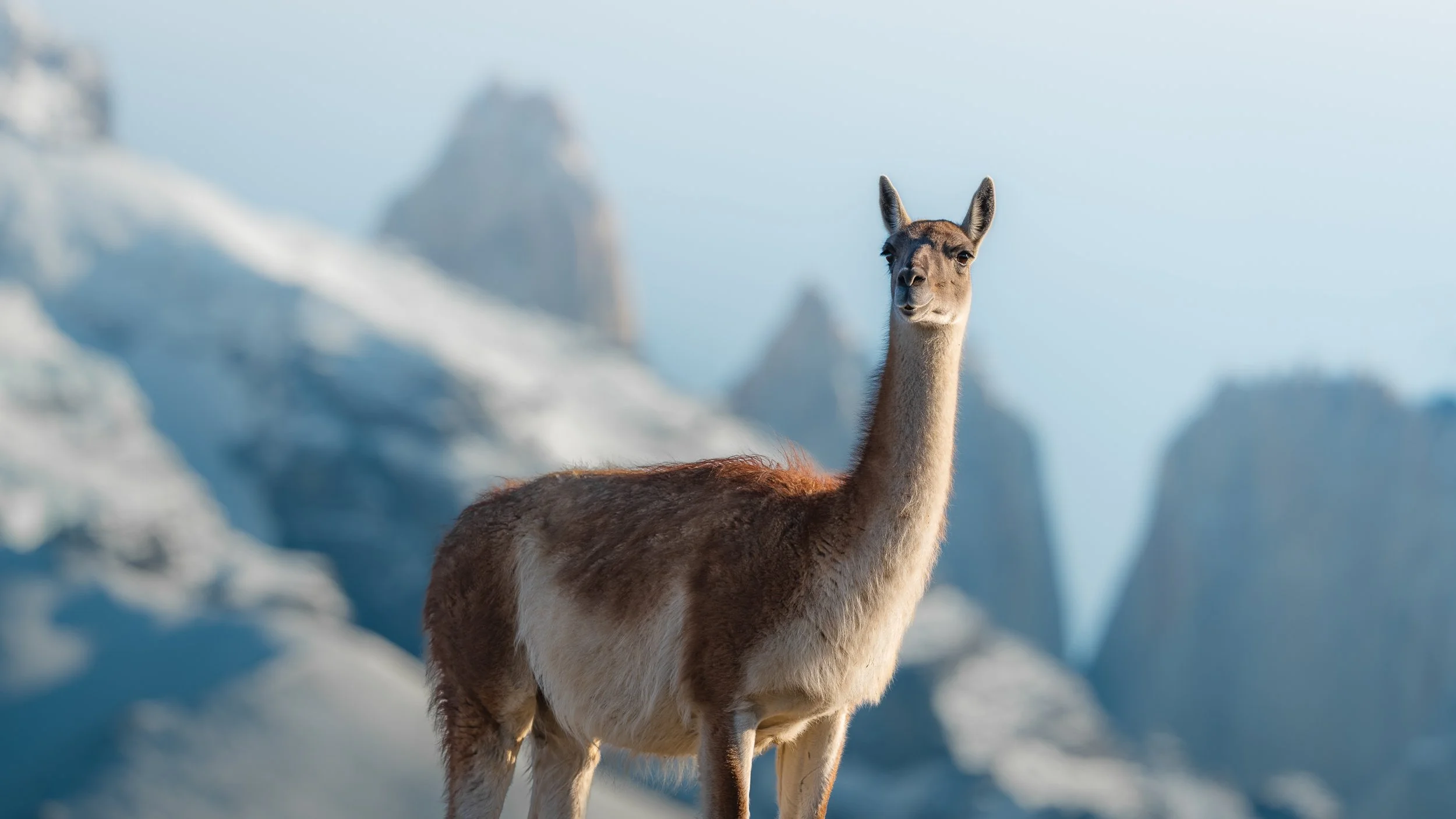
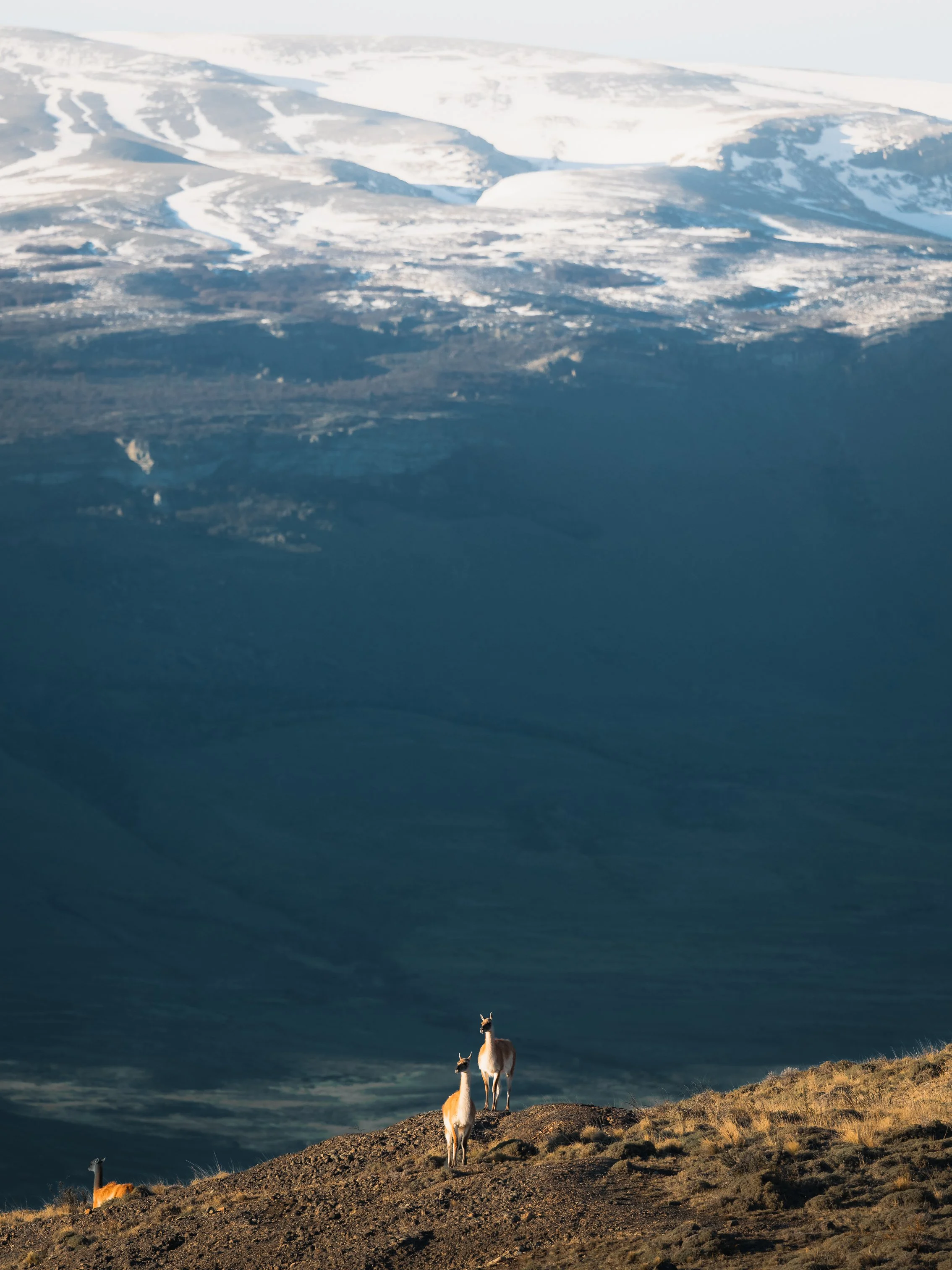
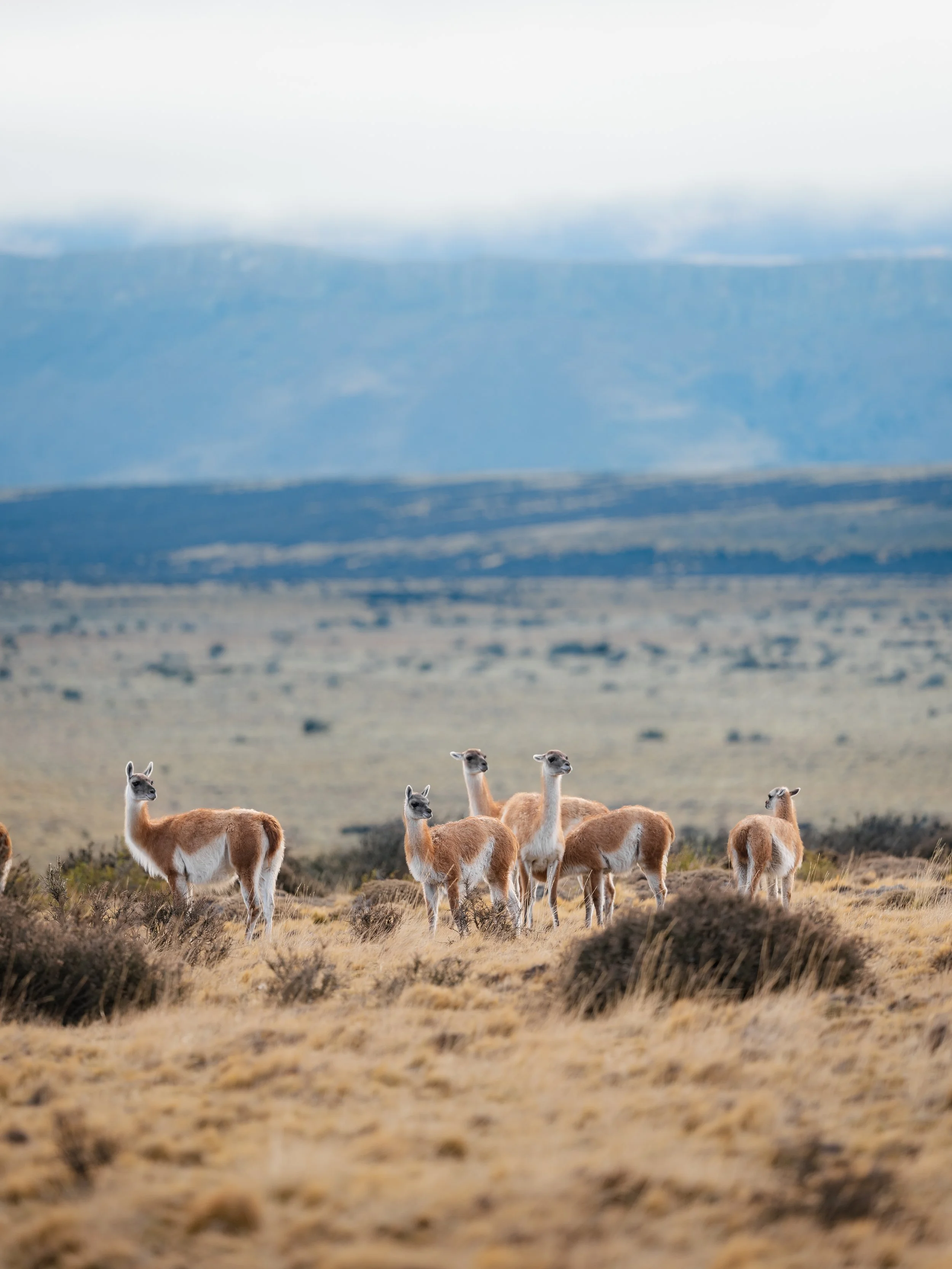
In this region, guanacos are their primary prey, which is why many encounters occur in open valleys and along hillsides where visibility is far-reaching. At times, it’s possible to observe mothers with cubs, moments of learning, or slow, deliberate movement across the steppe. Nothing feels staged. Each sighting is simply part of an ongoing cycle.
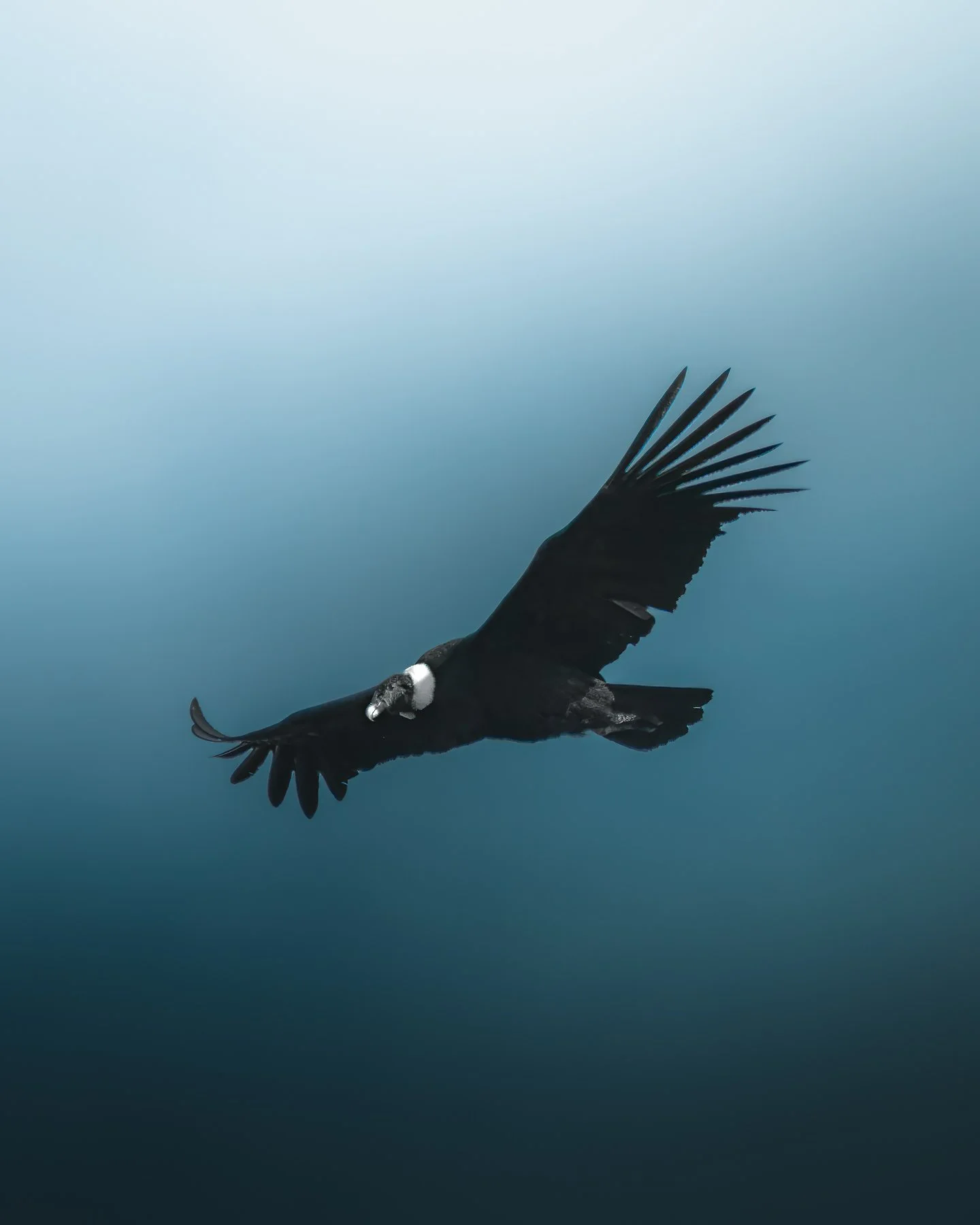
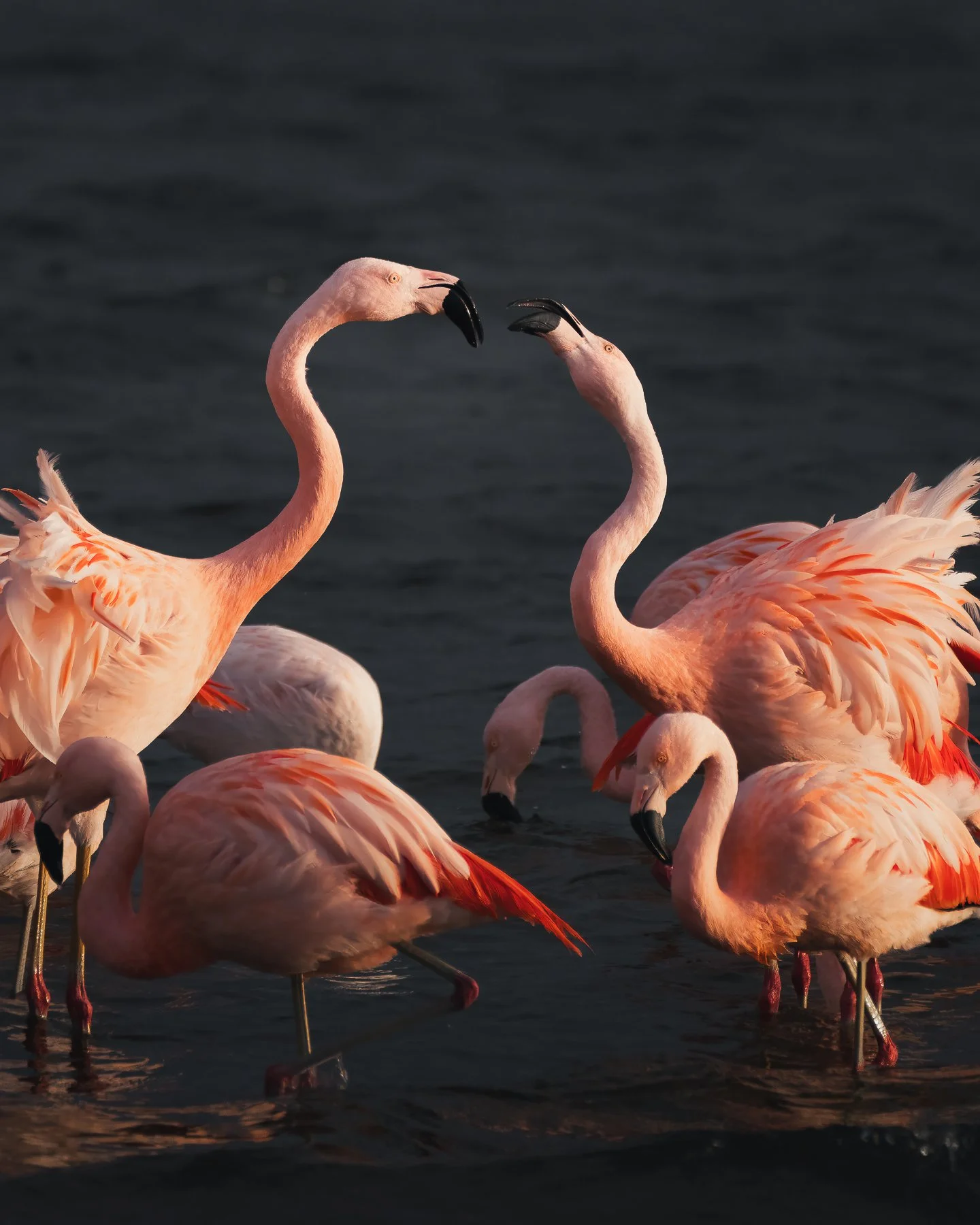
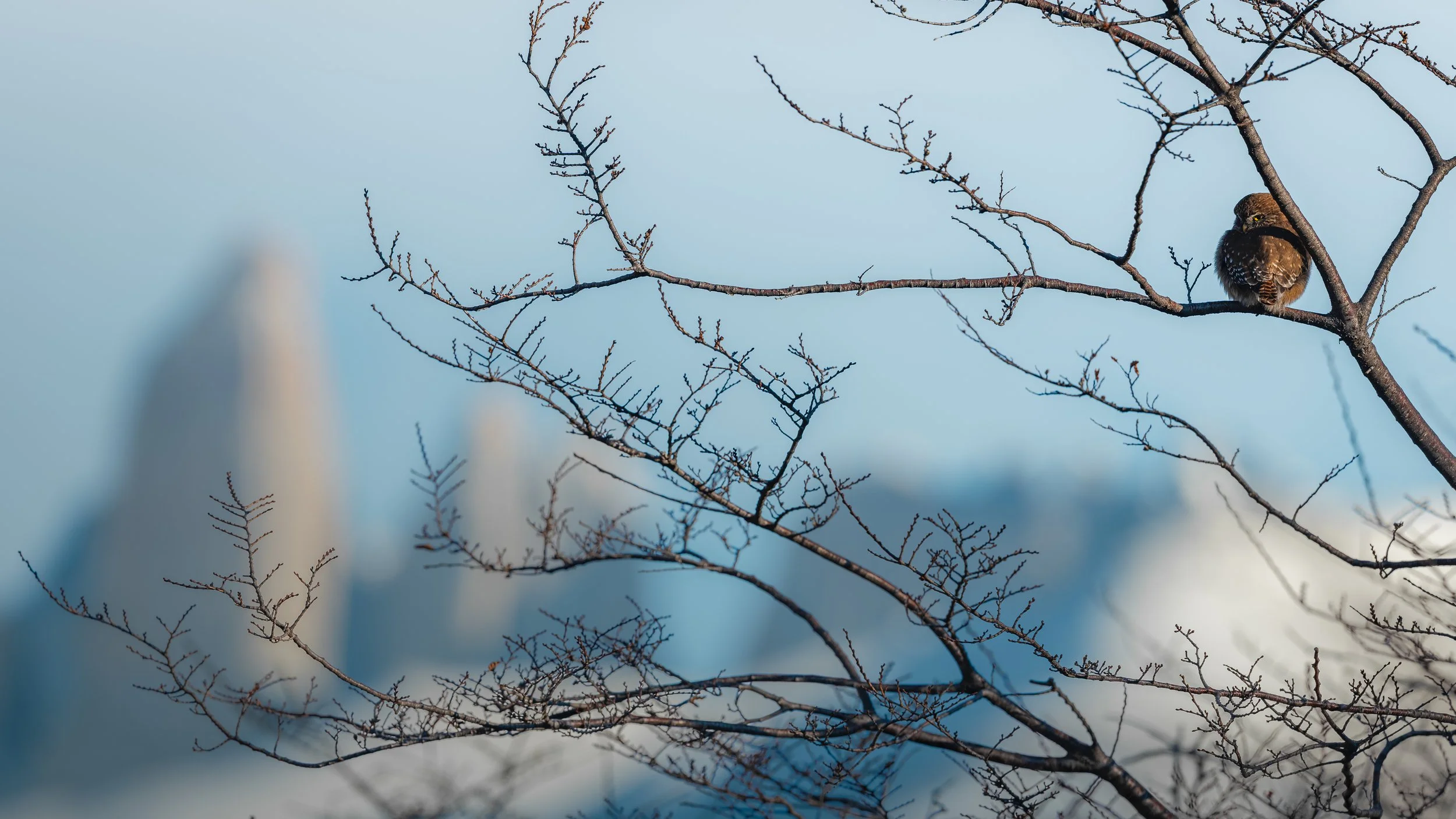
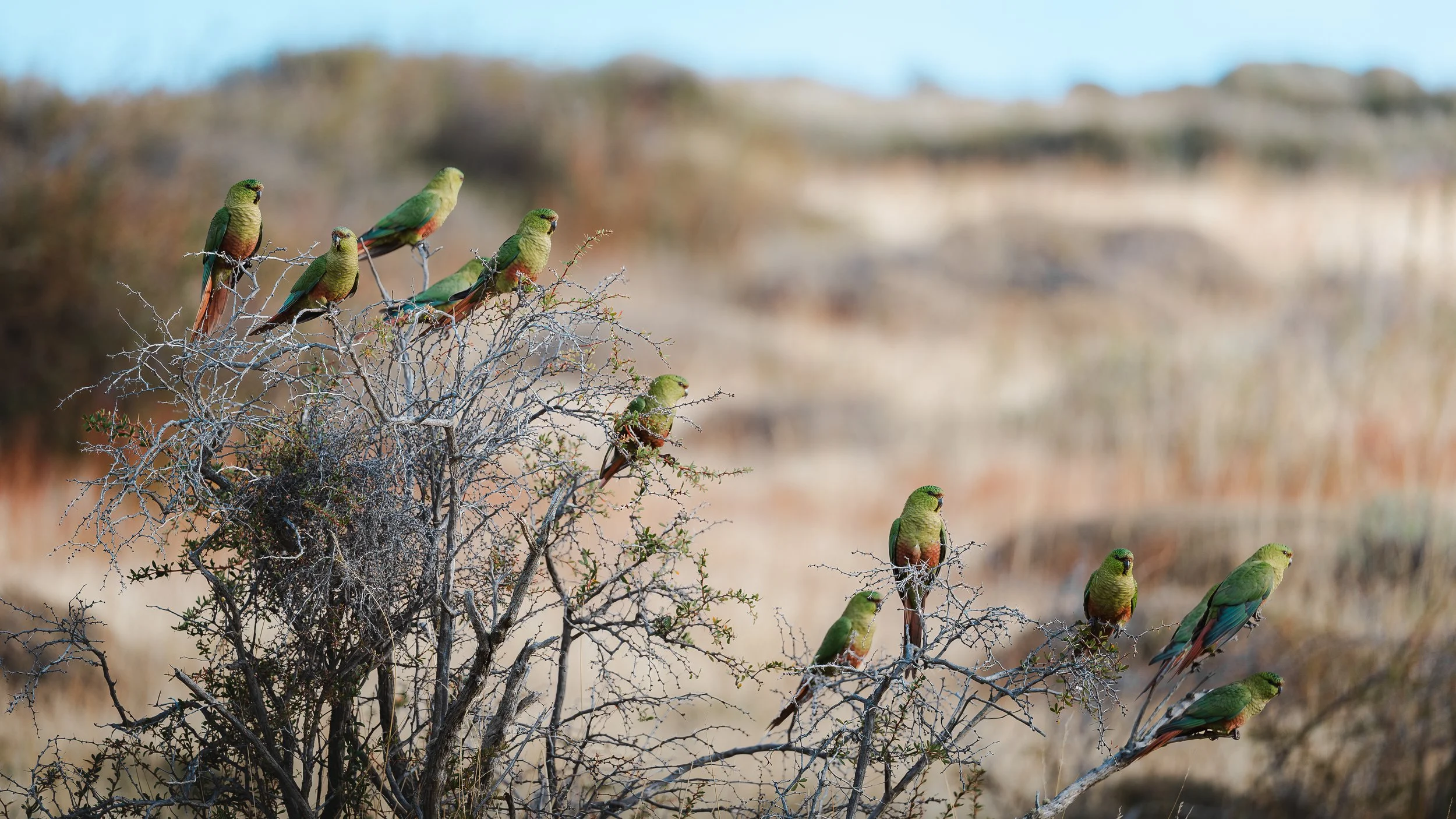
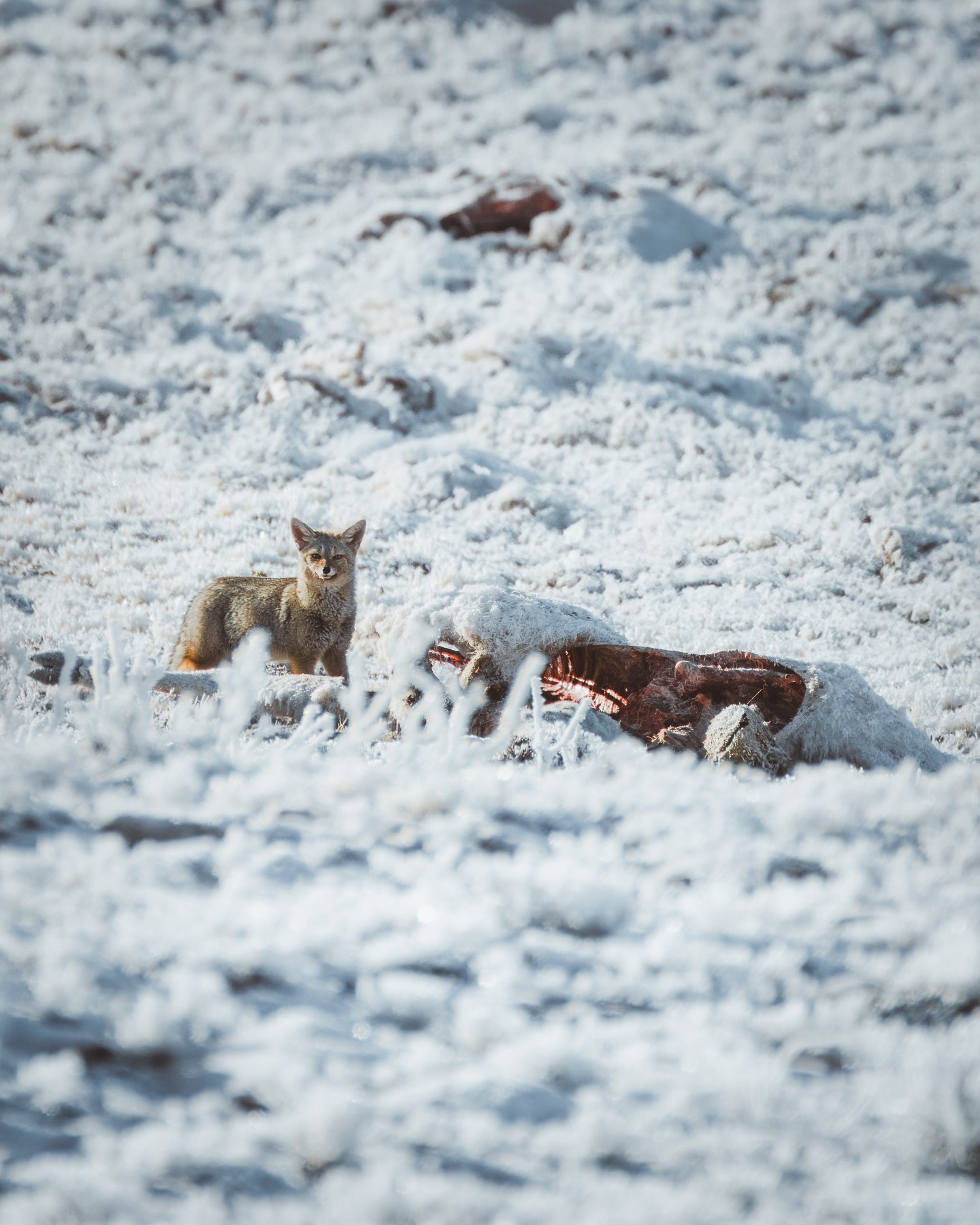
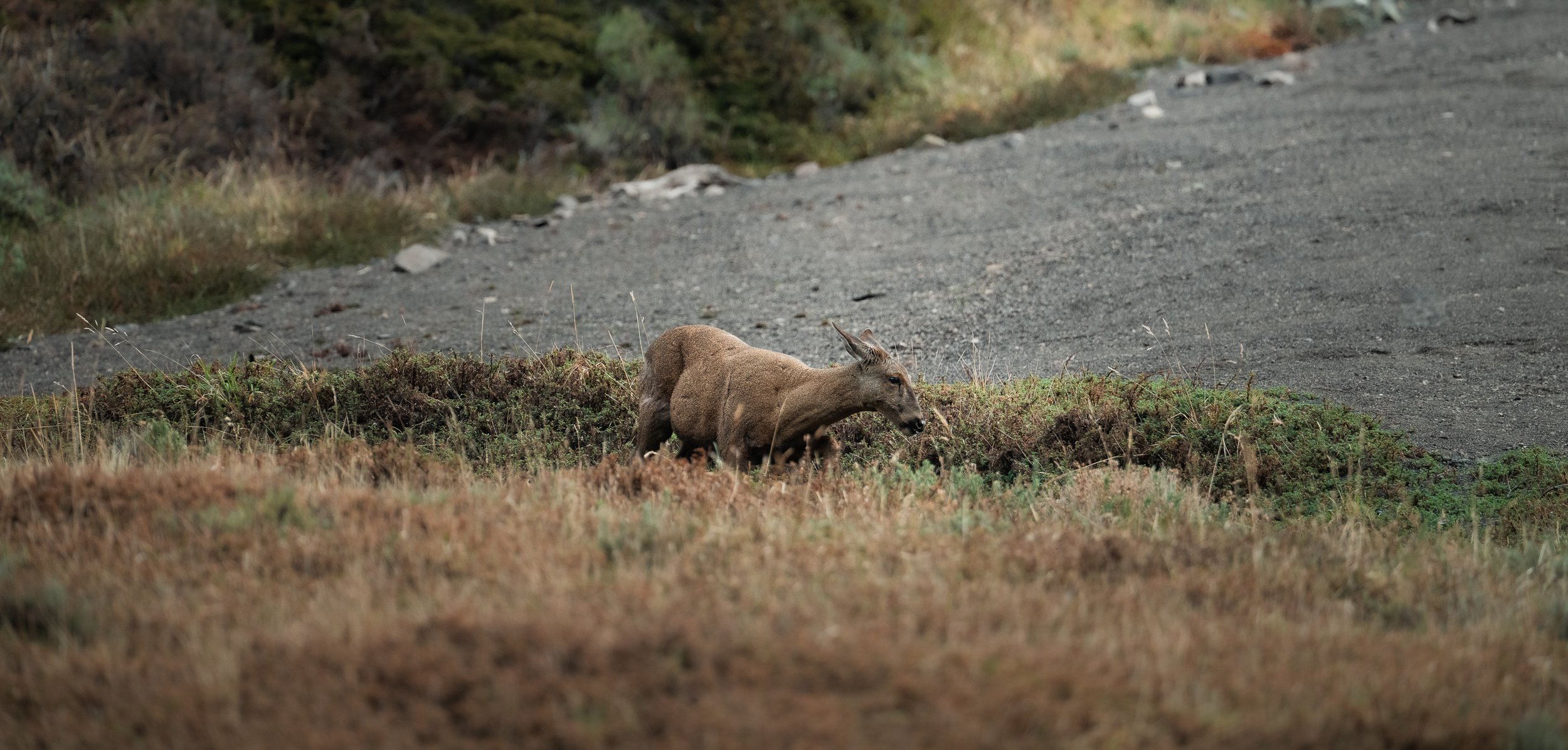
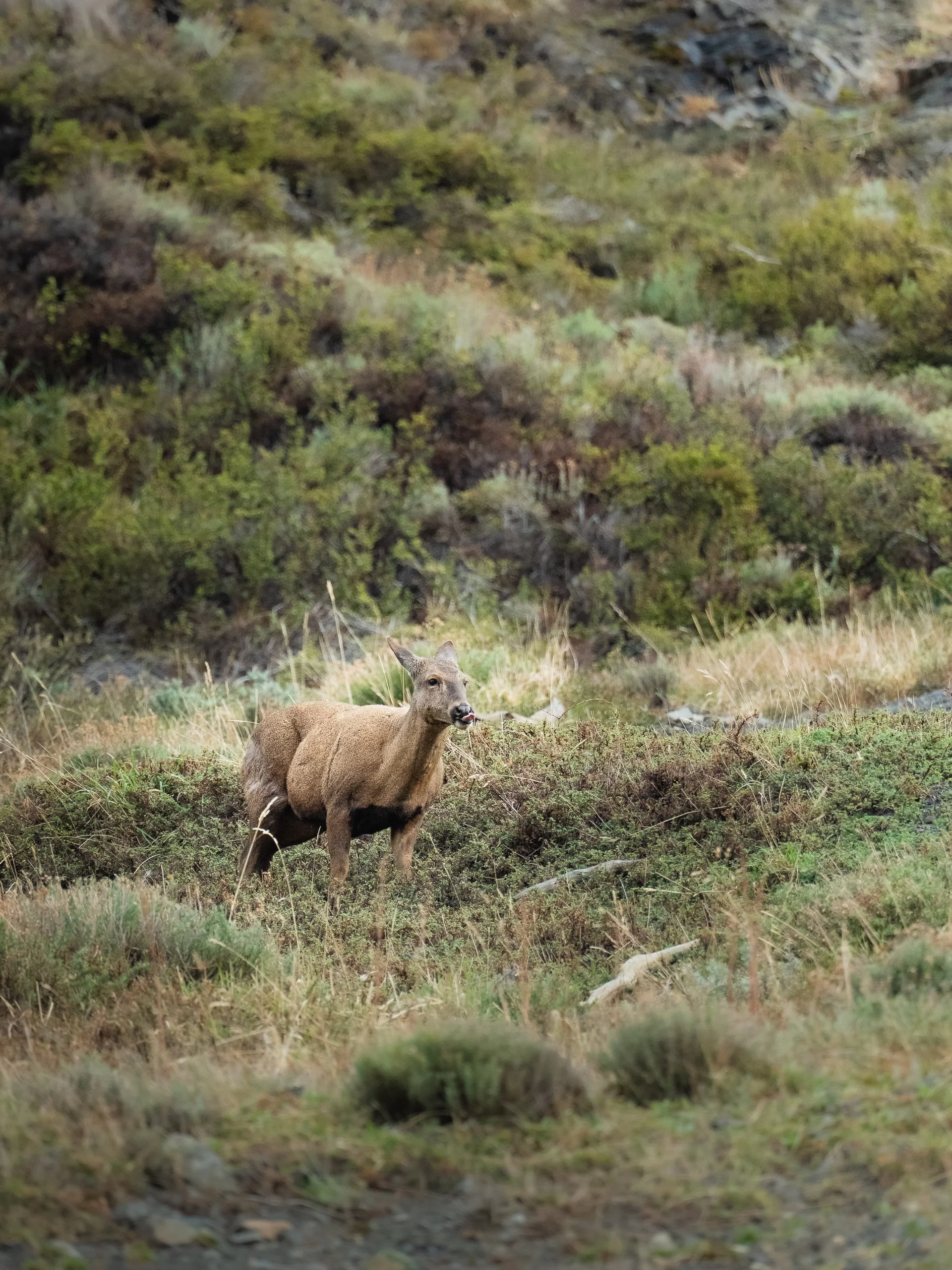
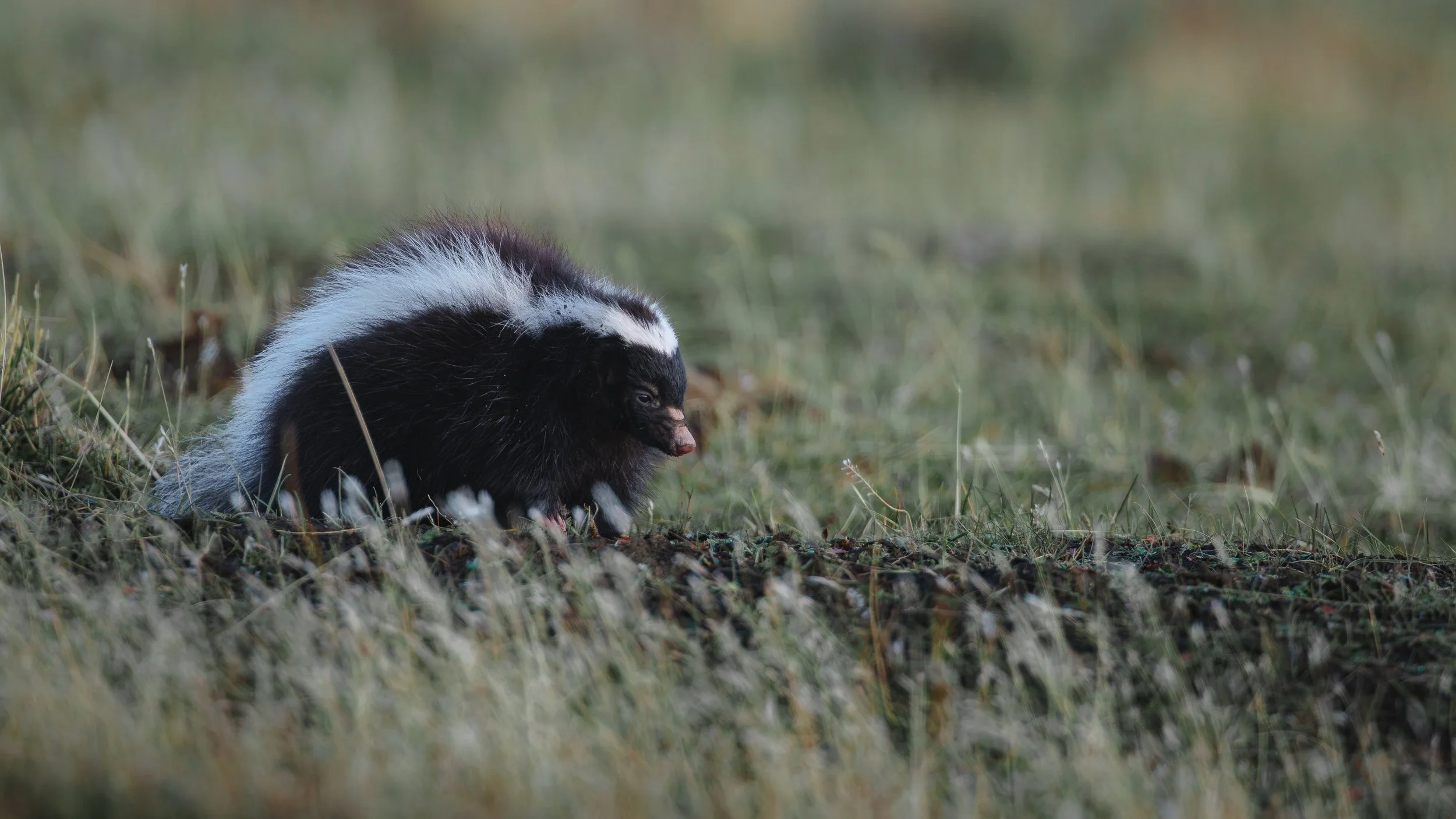
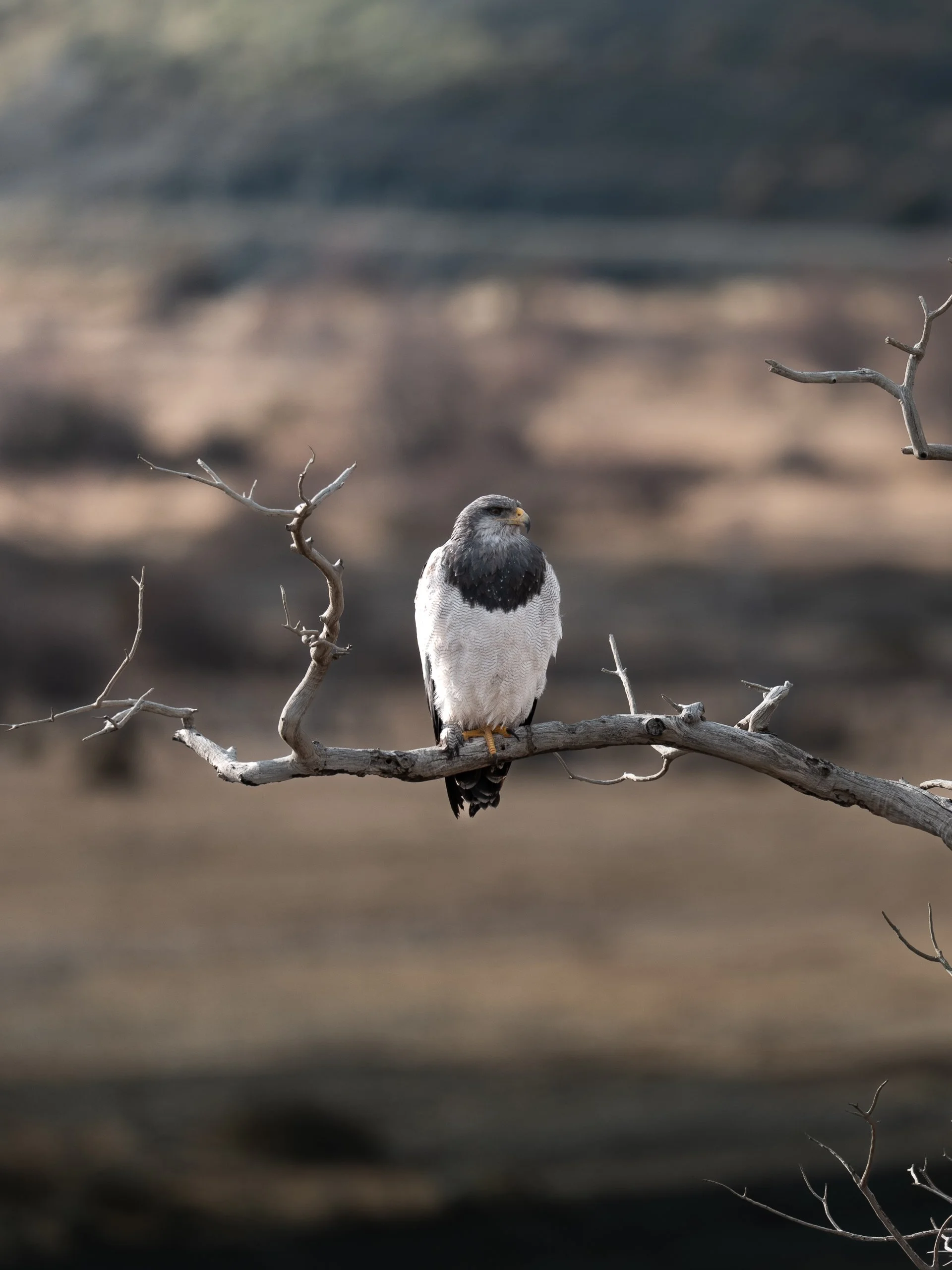
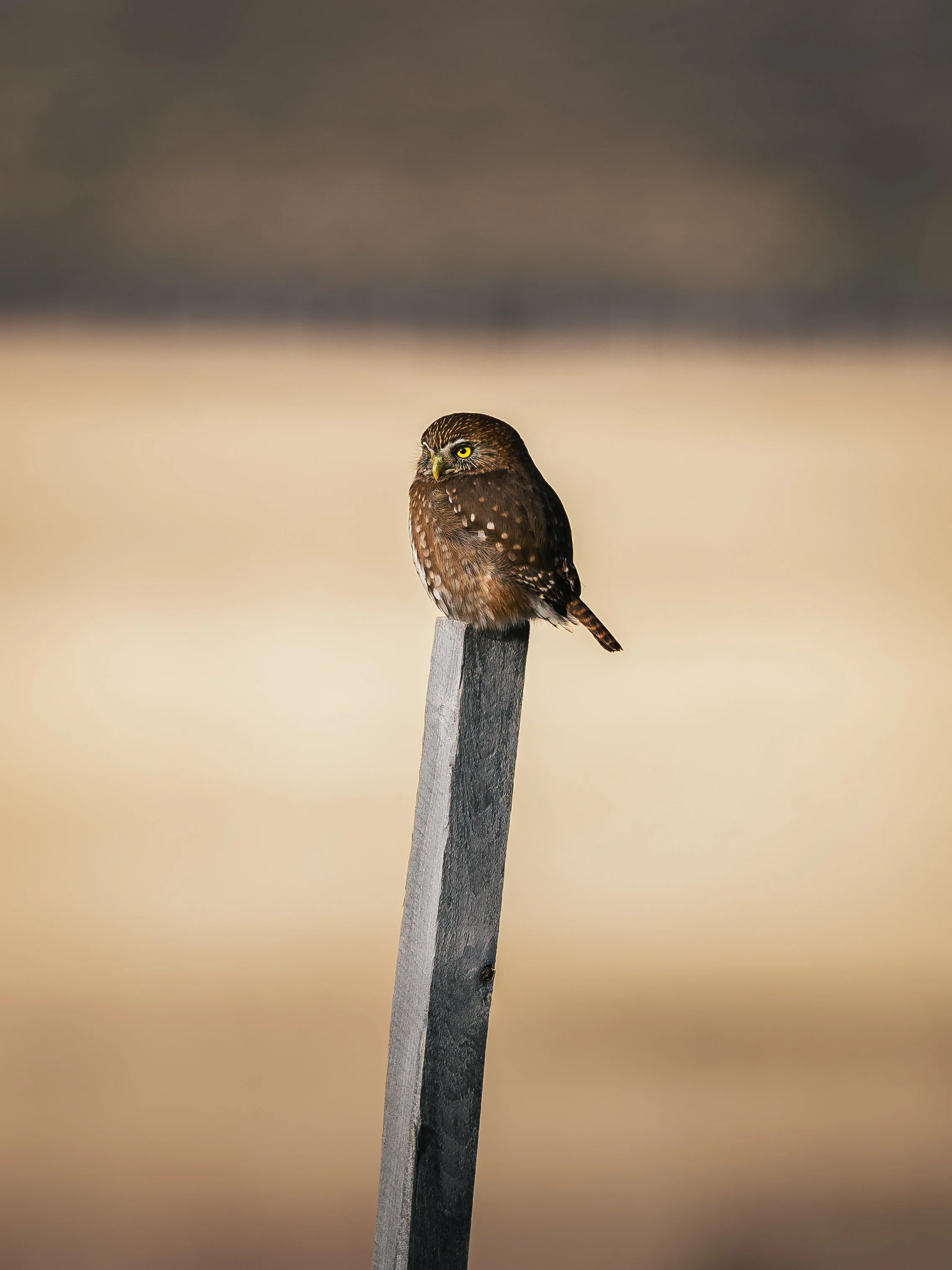
While the puma draws much of the attention, Torres del Paine is also home to different Patagonian species, such as:
Guanacos
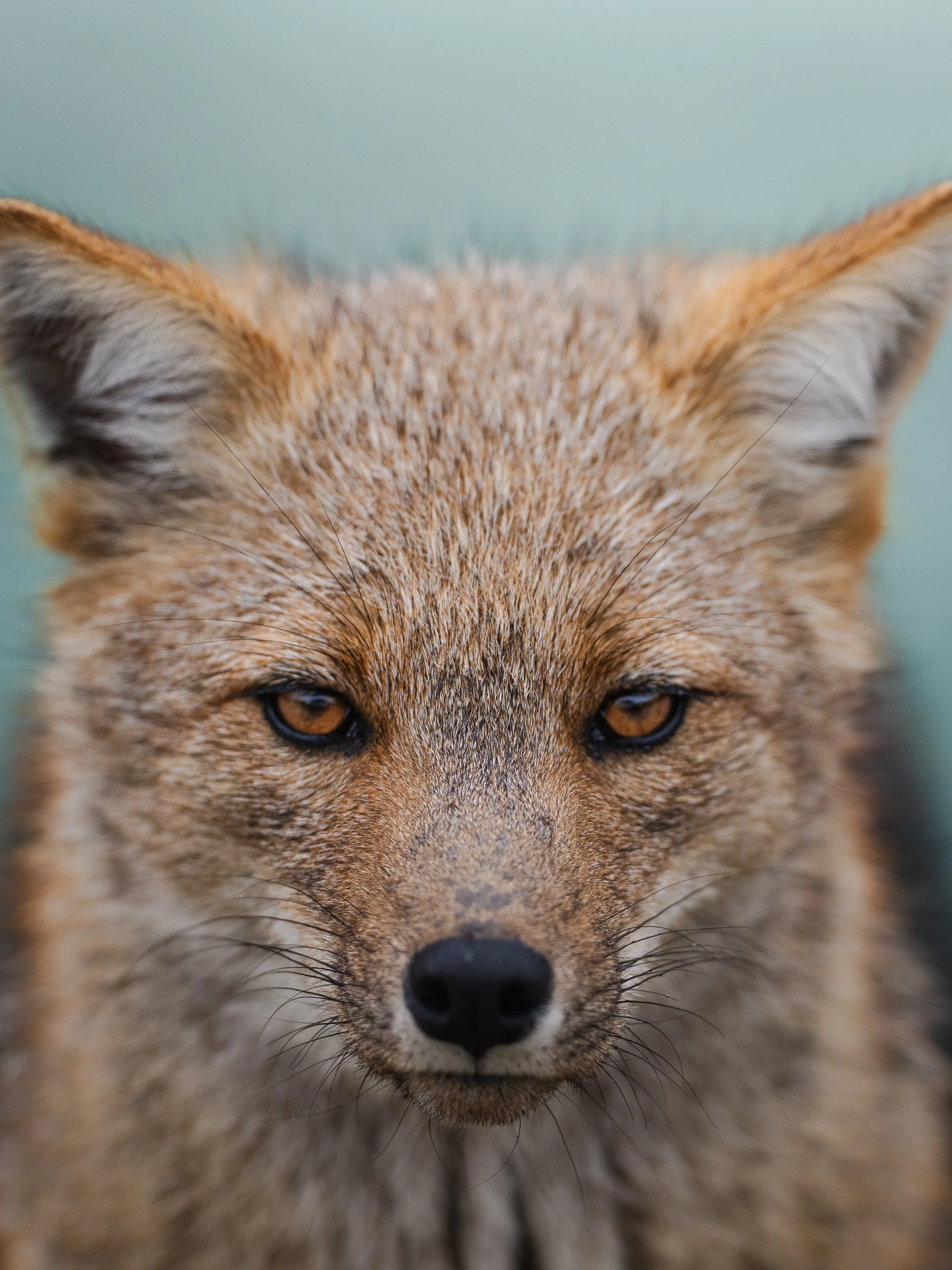
Culpeo fox and chilla fox
Andean condor
Black-chested buzzard-eagle
Southern Caracara
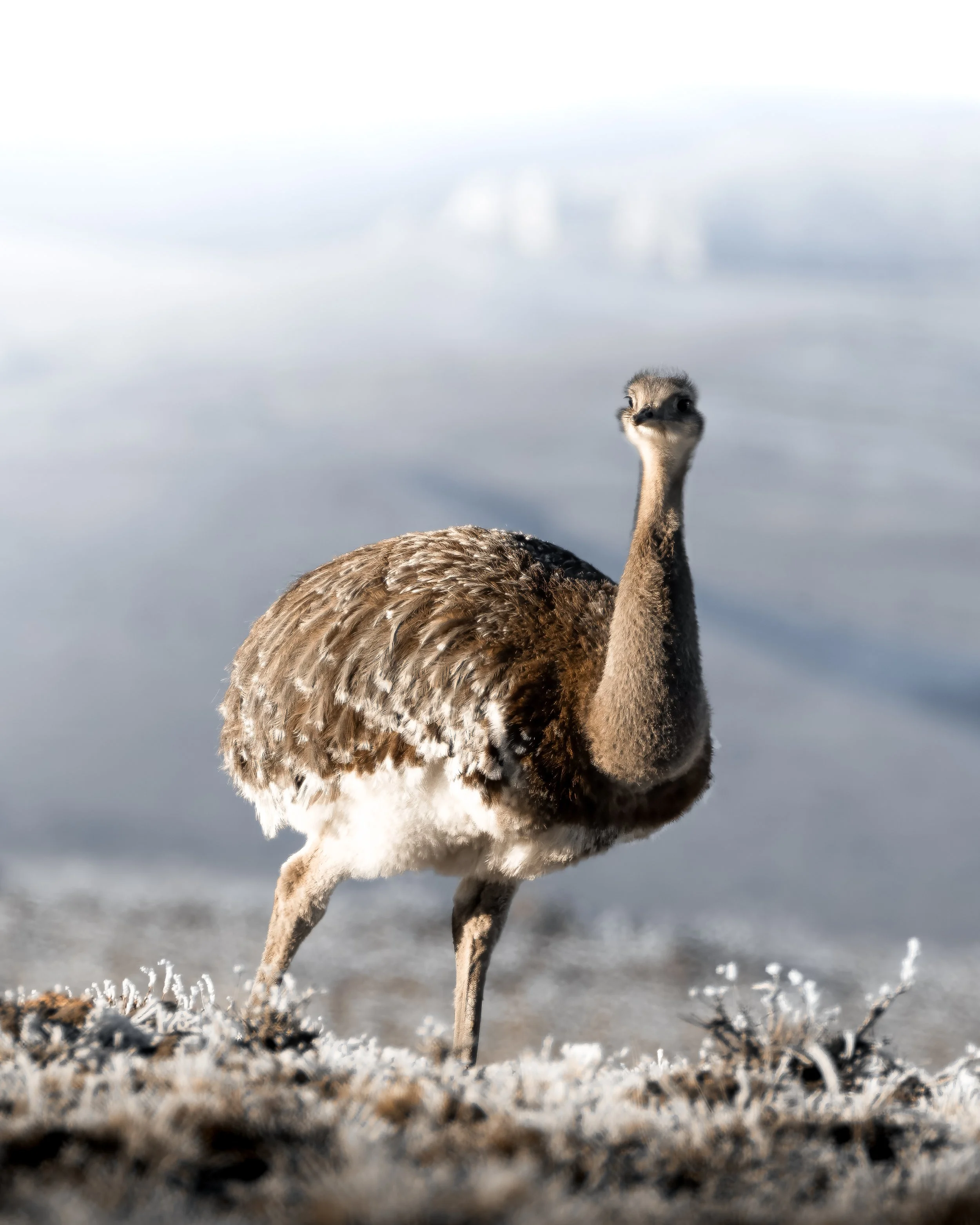
Darwin's Rhea
Magellanic Owl
Southern Flamingo
Patagonian Puma & Other Wildlife
Reservation Process
〰️
Terms & conditions
〰️
Reservation Process 〰️ Terms & conditions 〰️
Booking Process
-
Space, prices, dates, and final details of the expedition are confirmed (includes / does not include).
-
To secure the reservation, a deposit of 30% of the final price is made. With this payment, the spot is blocked and confirmed.
Payments are processed through PayPal via invoice, where credit and debit cards are also accepted.
-
The official confirmation and a complete guide with recommendations on equipment, clothing, and preparation for the Patagonian winter are sent, after confirmation.
-
The balance is settled 60 days before the start of the trip, on the previously established date.
For 2027 Edition is 90 days before the start of the trip. -
Before the start, a short briefing is held to resolve any doubts and be fully prepared for the field.
The Fine Details
+ VIEW OUR BOOKING & CANCELLATION POLICY.
Pricing & Payment
Prices for expeditions may vary depending on availability, booking timing, and currency exchange rates. Early reservations generally secure the lowest price. As the expedition date approaches or remaining spots become limited, prices may increase. Once a booking is confirmed and the deposit is received, the agreed price is locked and will not change.
Payments are processed through PayPal via invoice. Credit and debit cards are accepted through this process. Bank transfer is also available for clients with Mexican bank accounts.
Puma Interaction
Recorded on DJI Osmo Pocket 4.
Torres del Paine.
Filmed by @fer_richaud
Your Host
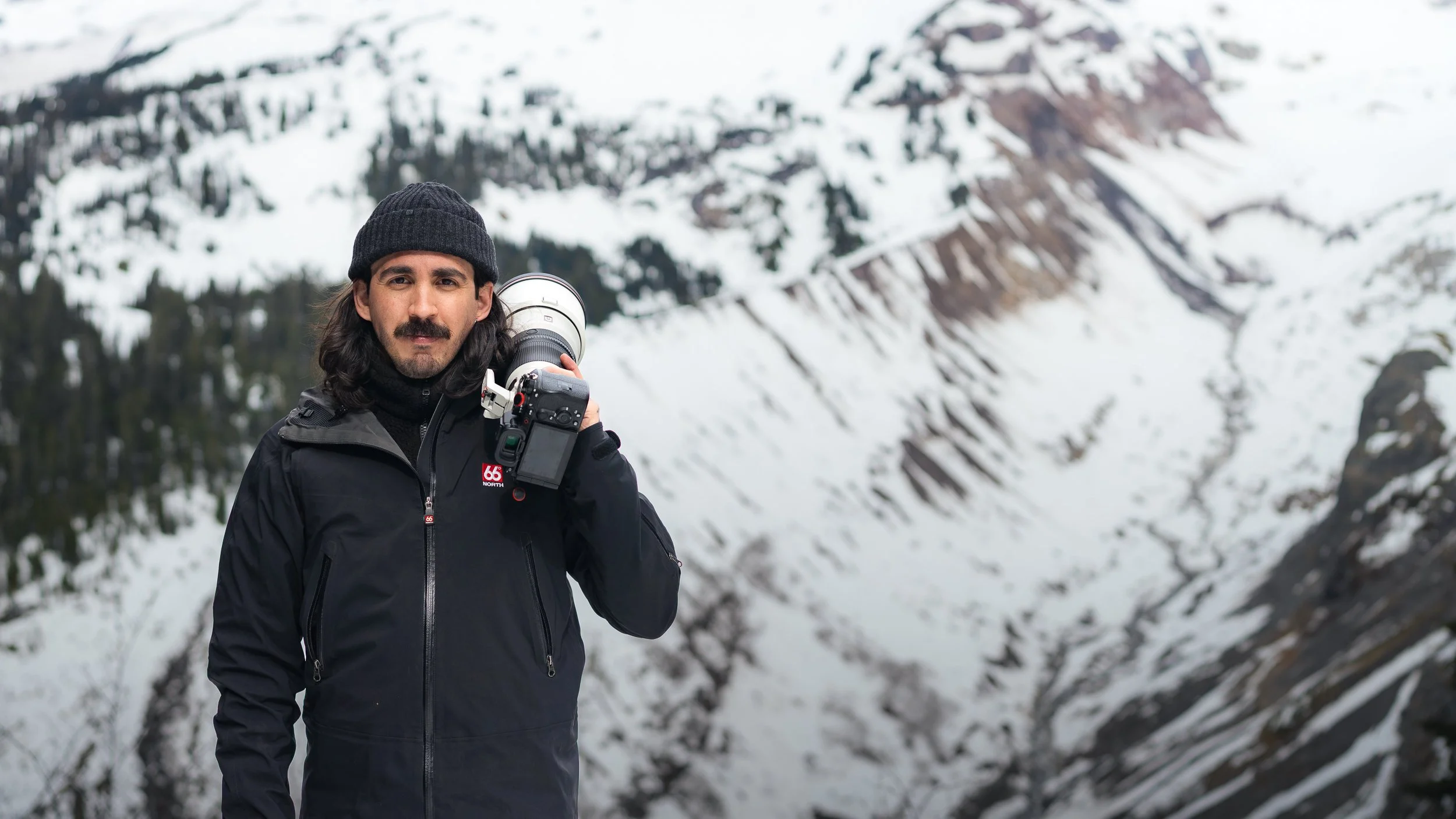
Fer Richaud
After several trips to Patagonia, on both the Argentinian and Chilean sides, driven by the goal of observing and photographing wild pumas, the early attempts were far from successful.
With time, things started to make more sense. Understanding where to look, how to move across the terrain, and how to read the animals' behavior made a big difference. He is not alone in this experience; we are also supported by local trackers who have spent years working in this environment, making the whole process more grounded and authentic.
Fer will be your host throughout the expedition, with a clear objective: to give you a real opportunity to encounter and photograph pumas in the wild, and return with something meaningful beyond just images.
Request Information
*
Book Now
*
Request Information * Book Now *
Some journeys begin with a simple message.
If you’re considering joining the expedition, we’d be happy to hear from you.
You can ask about availability, experience level, gear, or anything you're unsure about.
No commitment, just a conversation.
TAILORED EXPEDITIONS
Looking for something different?
If our scheduled expedition doesn’t quite fit what you’re looking for, we can also tailor a Patagonia puma expedition around your dates, interests, and time in the field.