
Bears & Moose
Yellowstone & Grand Teton NP
[USA]
44.5979° N, 110.5612° WFALL SEASONExpedition Not Confirmed
***
Expedition Not Confirmed ***
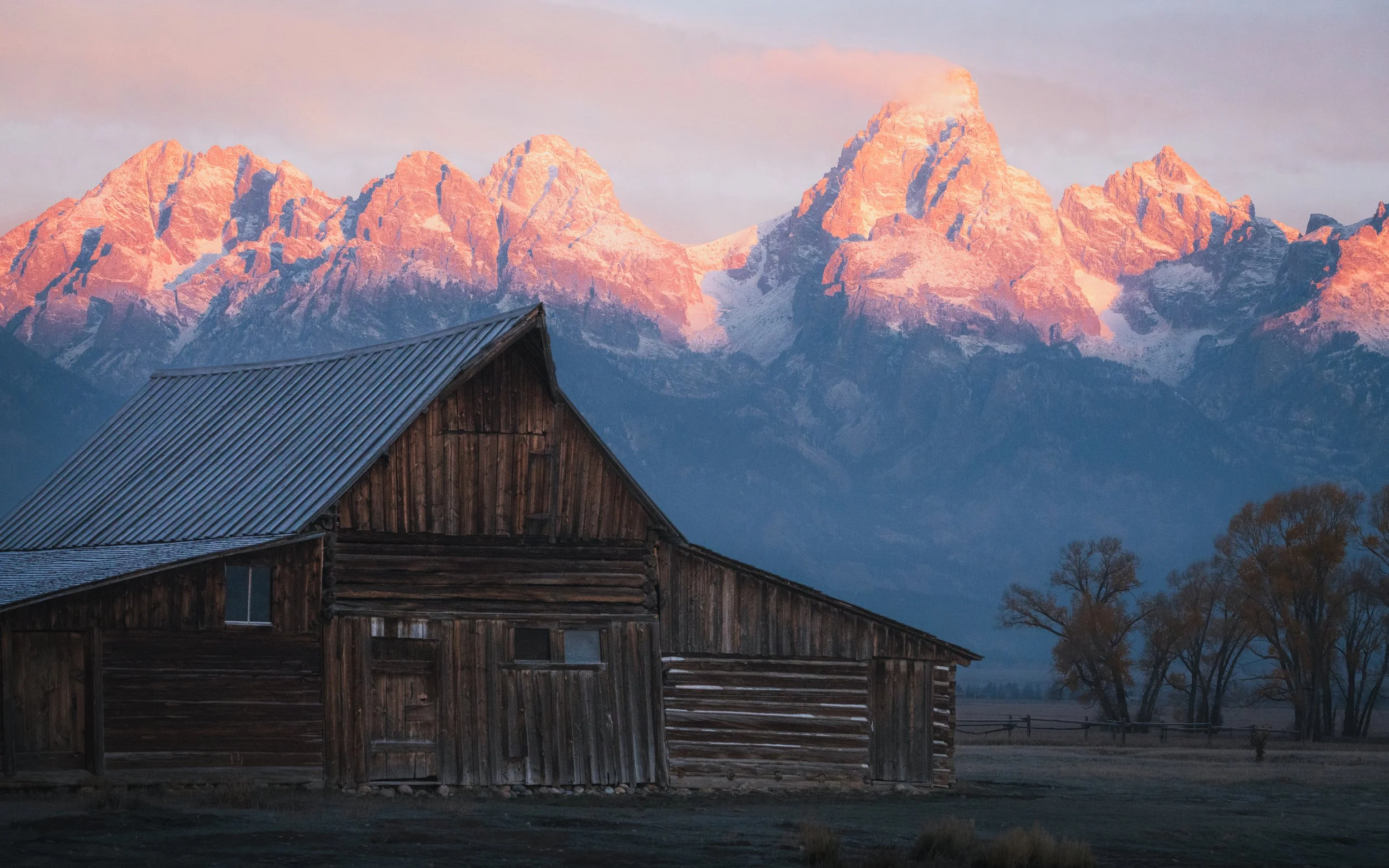
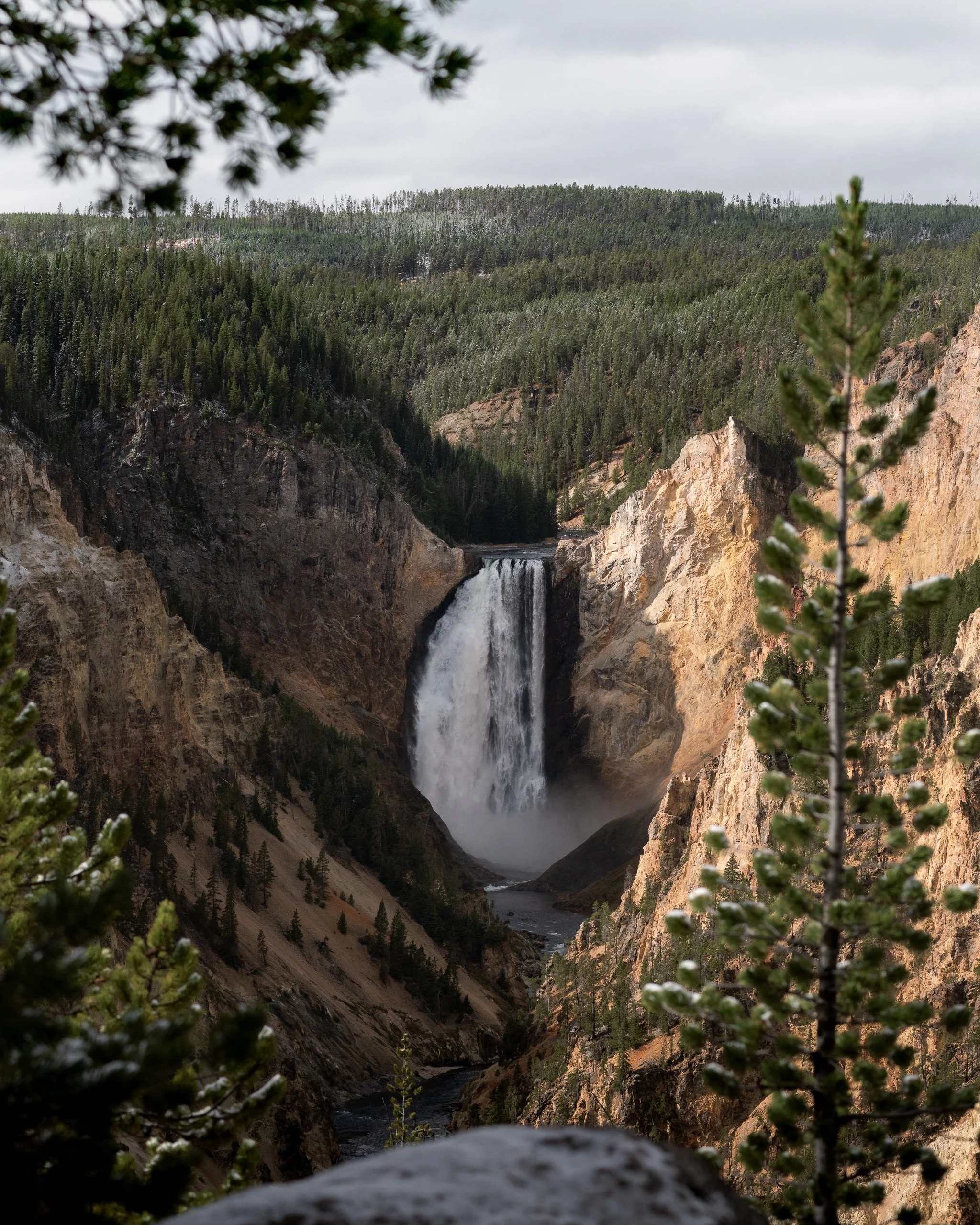
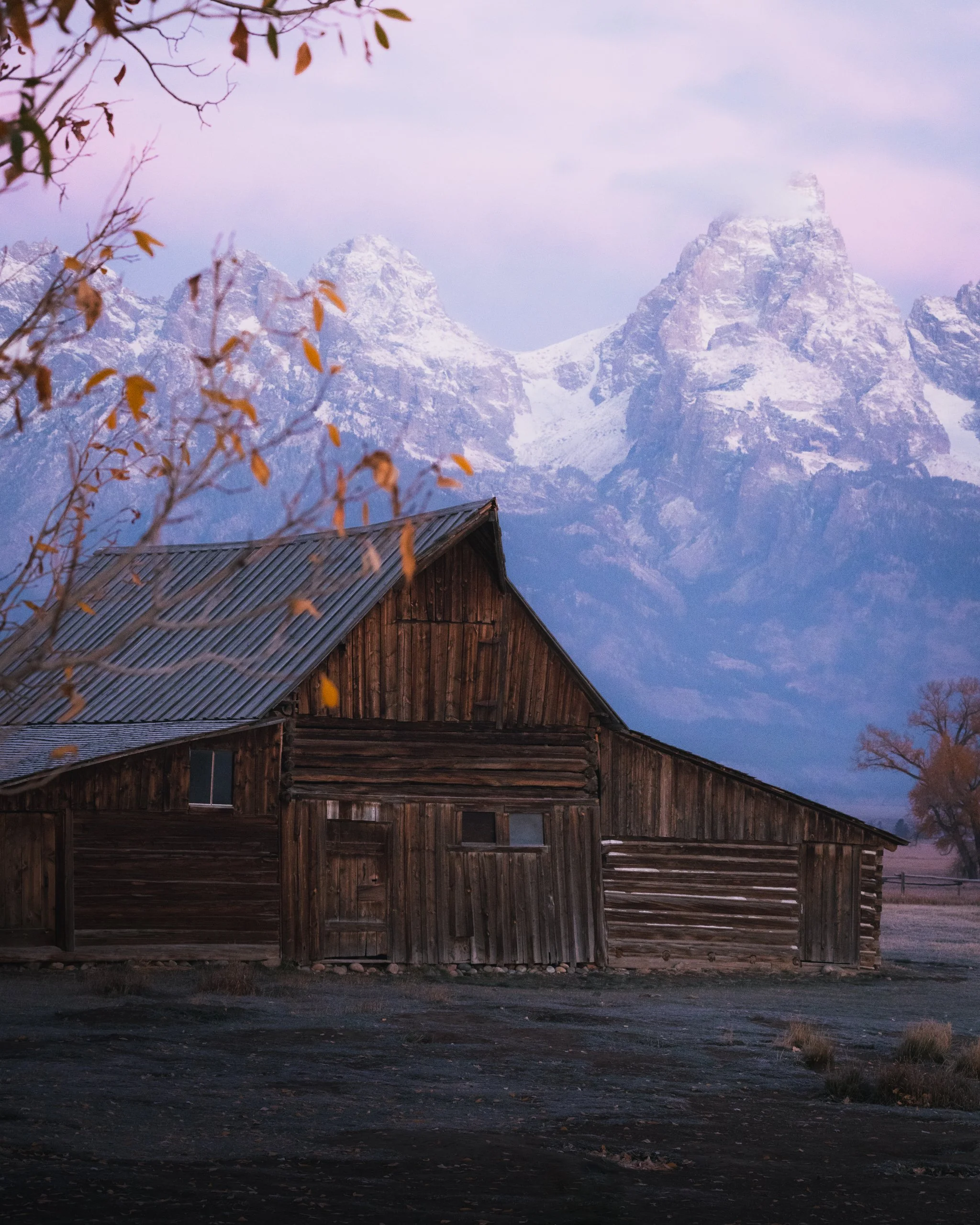
[ OVERVIEW ]Join us in autumn across Yellowstone and Grand Teton National Parks, two of the most important wildlife ecosystems in North America. These landscapes are widely recognized for their healthy populations of wolves, bears, bison, moose, and other species that move freely across vast valleys and mountain ranges.
The parks support one of the most complete large-mammal ecosystems on the continent, making them among the most reliable places to observe wildlife in their natural habitat, often allowing extended encounters that can easily fill an SD card with real moments from the field.
Experience Details
October - November
Next Dates
Trip Duration
TBD
Pricing
TBD
Shared accommodation.
(single accommodation available upon request)
Registration for 2027
Autumn expedition is open
A Day in the Expedition
***
A Day in the Expedition ***
Days begin before dawn, usually with coffee or a warm drink on the road. Autumn mornings can be cold, so it helps to warm up before stepping out. We divide the trip between Yellowstone and Grand Teton, spending several days in each so we can settle into their rhythm and understand both landscapes without rushing.
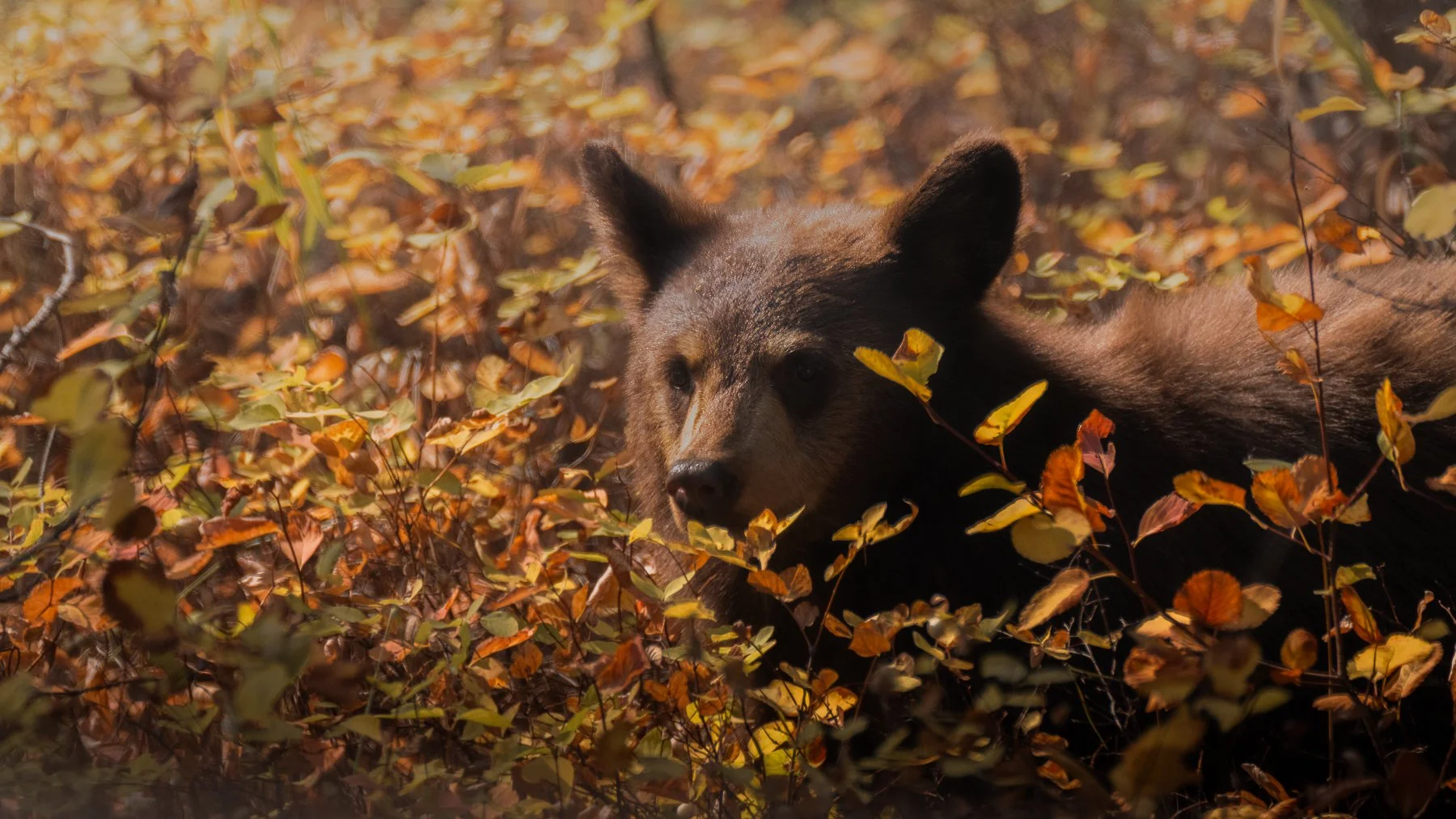
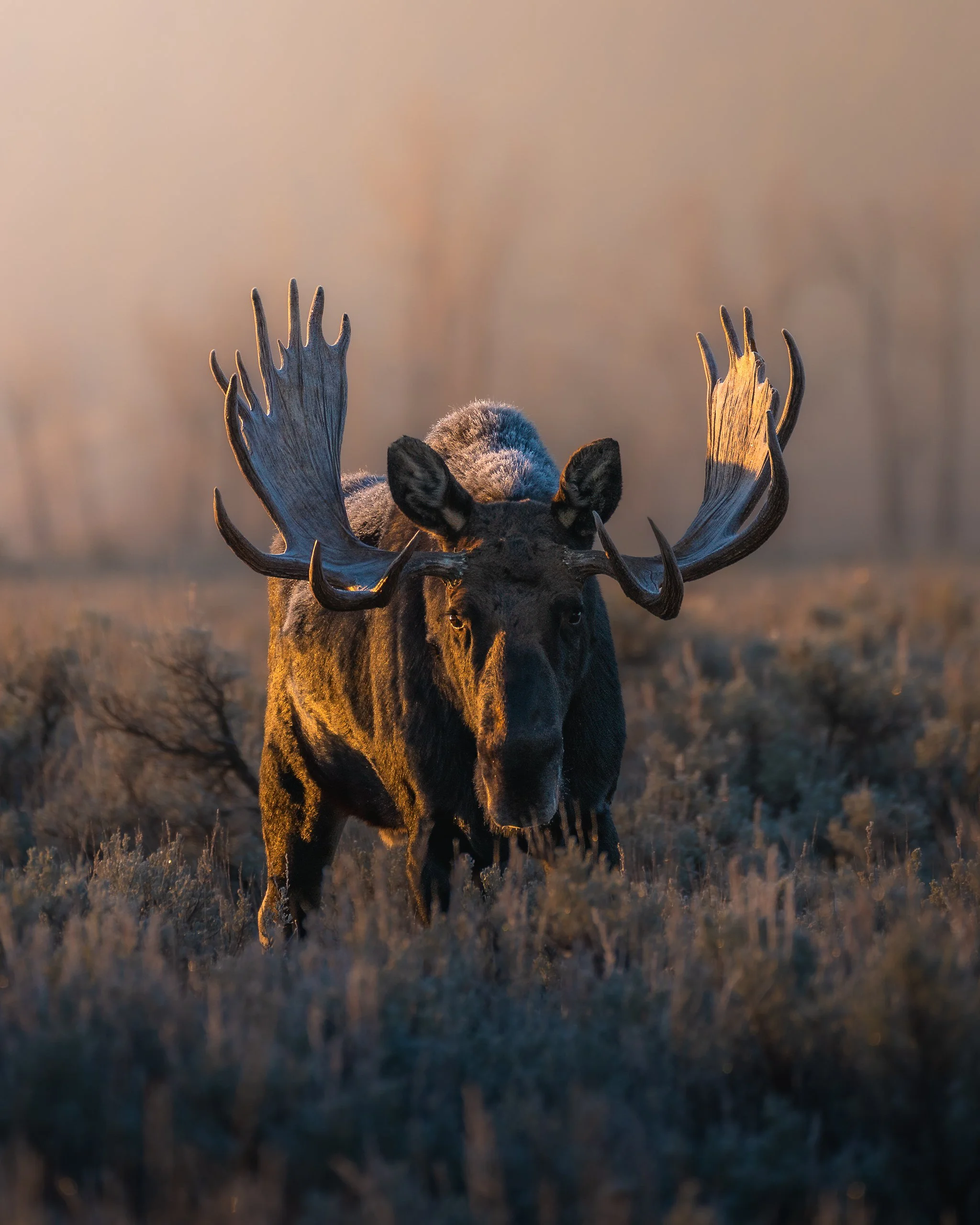
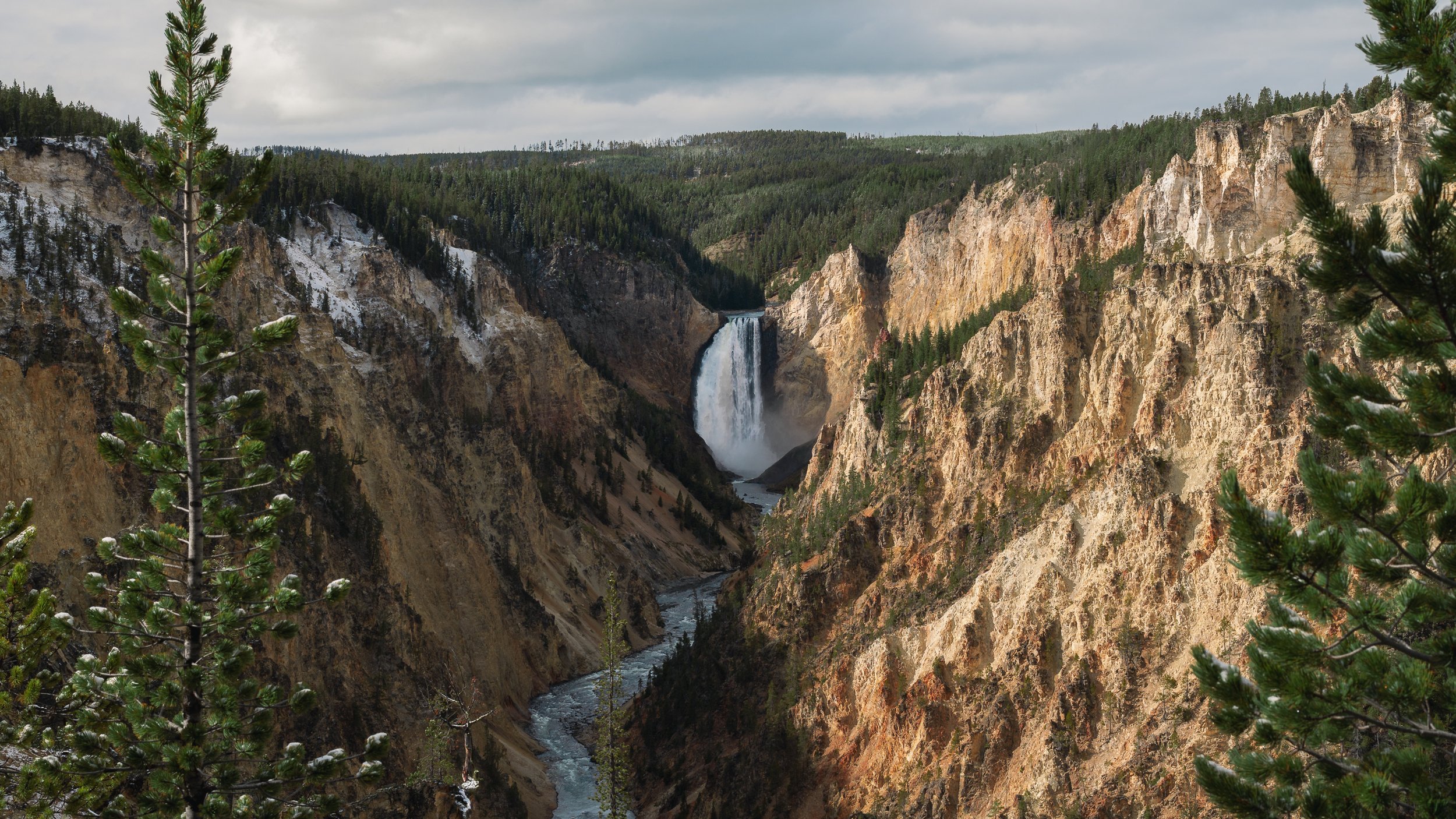
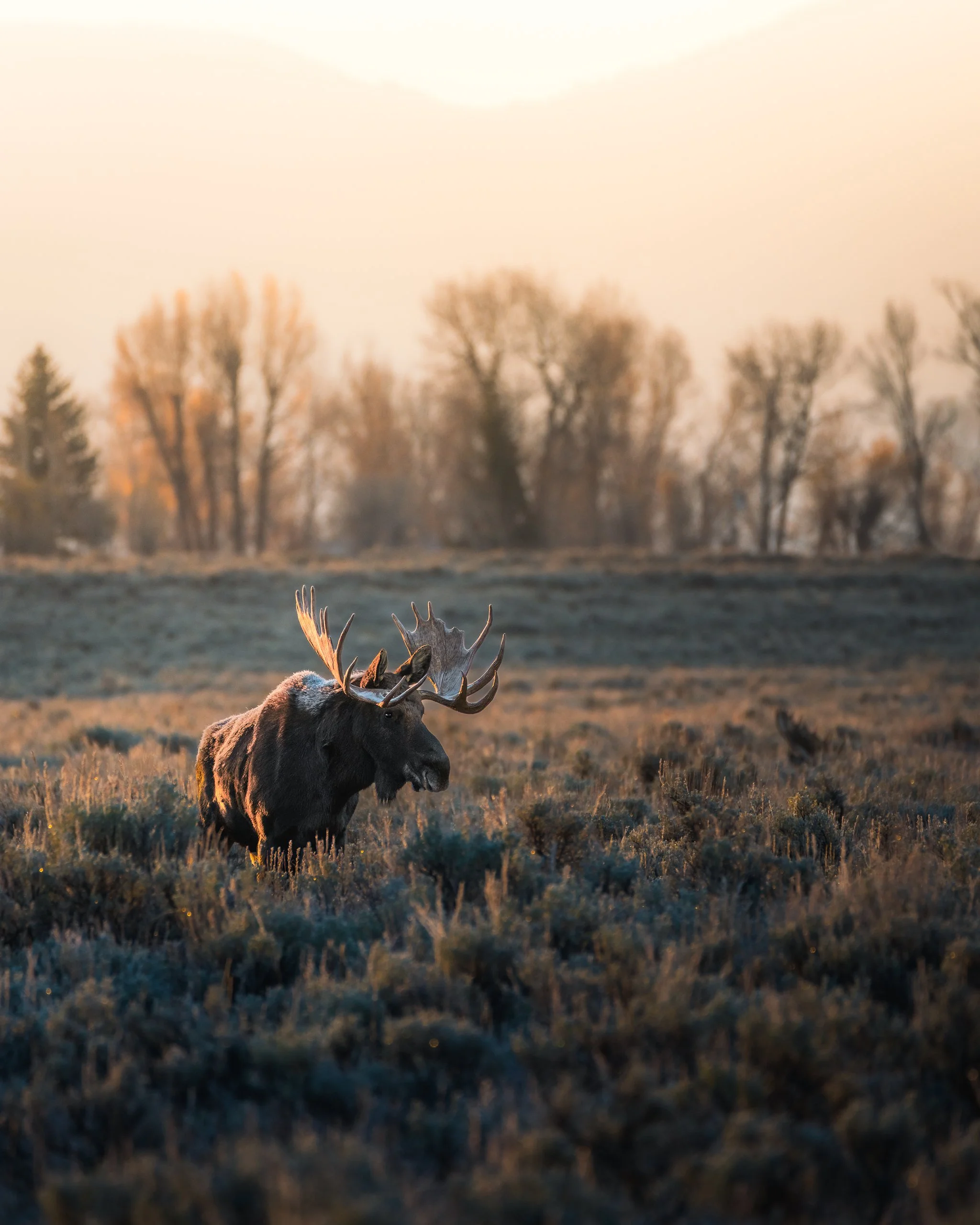
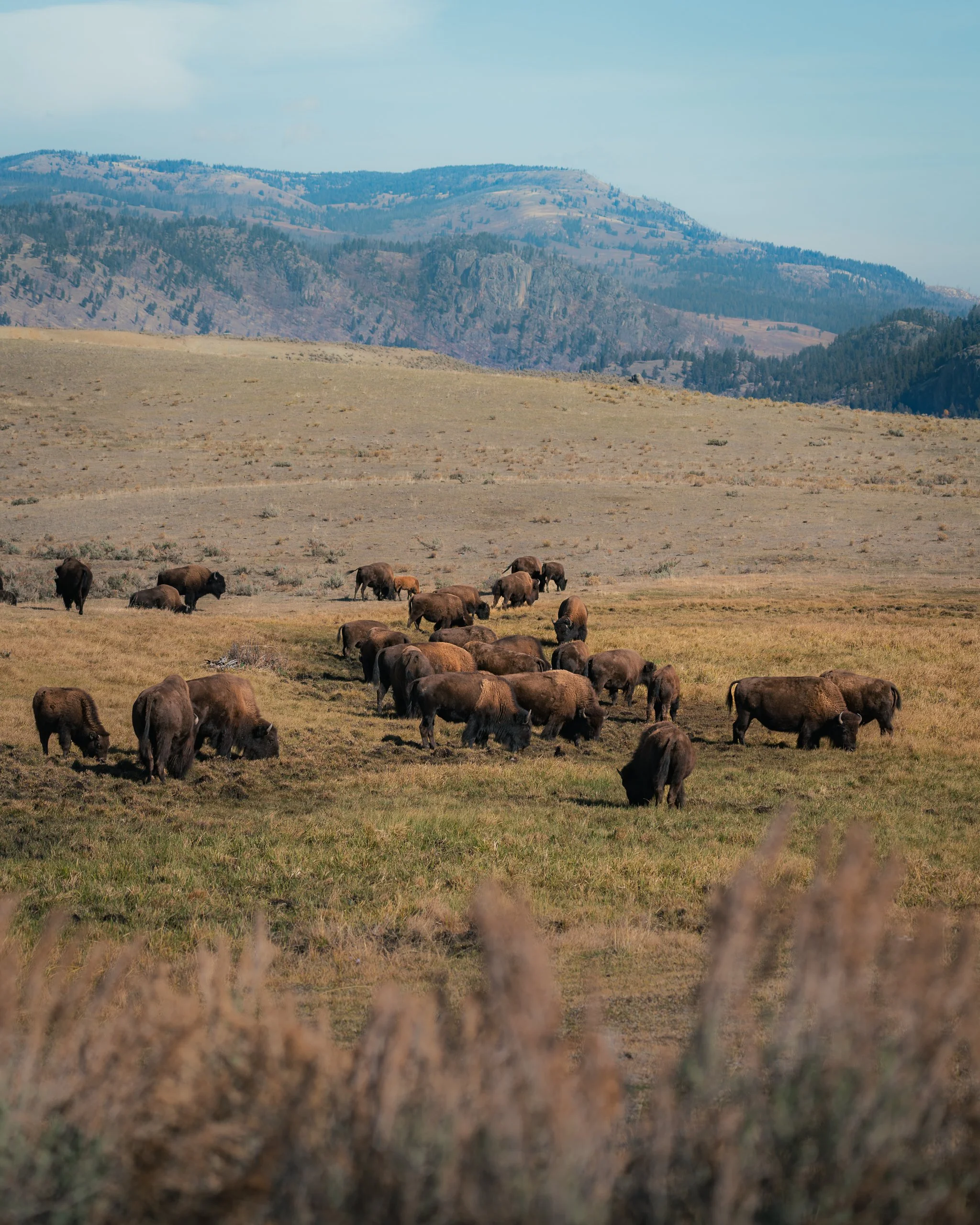
In Yellowstone, much of our time is spent scanning wide valleys and river corridors where grizzly and black bears move steadily in autumn, feeding before winter and often covering large distances through open terrain. Thermal basins and meadow systems also allow us to watch bison herds and, at times, wolves moving across the landscape. In Grand Teton, the focus shifts toward willow flats, wetlands, and slow river bends where moose are frequently found browsing in the early morning or late afternoon. Bulls remain active during the fall rut, and patient observation can lead to extended encounters.
Midday depends on what the day offers. Sometimes we stay in the field, especially if bears are active or moose remain in view. On other days, we take a short break in town for a simple meal before heading back out.
As the light softens, we stay with it. Bears often become active again toward evening, and moose tend to return to the willows as temperatures drop. Evenings are relaxed: dinner somewhere local, easy conversation, a short editing session, and time to look back on what the day gave us before starting the next morning.
Itinerary
Full itinerary coming soon.
Day 1
Meanwhile, here are some fun facts about bears and moose:
Grizzly bears in Yellowstone can consume up to 20,000 calories a day in autumn as they prepare for winter. This phase is called hyperphagia.
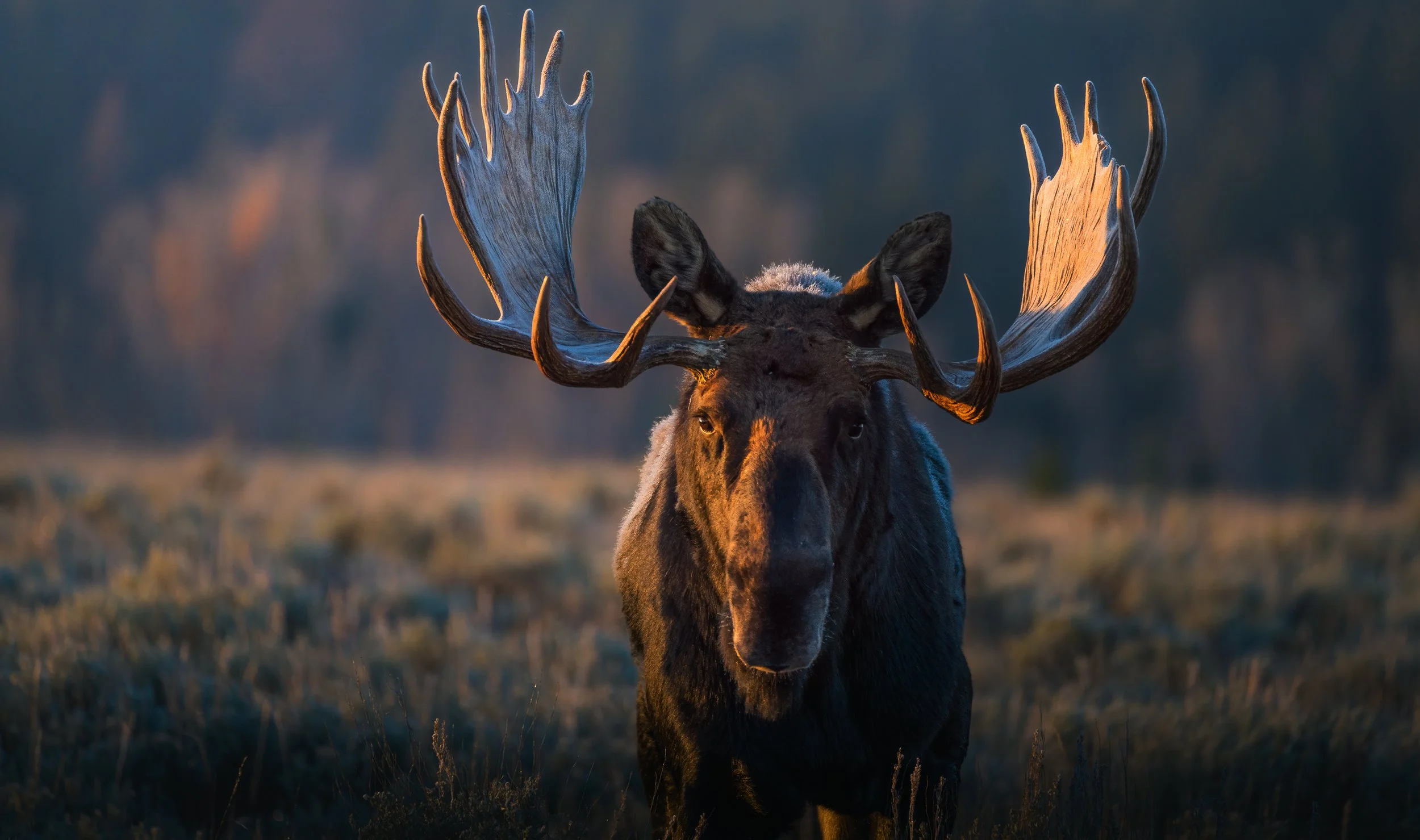
Despite their size, moose are excellent swimmers and can dive several meters underwater to reach aquatic vegetation.
Day 2-7
Day 8
Stay tuned for the complete schedule.
Wildlife will never be far in these valleys
Day 2-7
[ ENVIRONMENT ]Guardians of the Forest
In Yellowstone and Grand Teton, wildlife is part of the landscape rather than the focus on a single species. The ecosystem supports a remarkable range of large mammals, but much of our time in the field revolves around grizzly bears and moose.
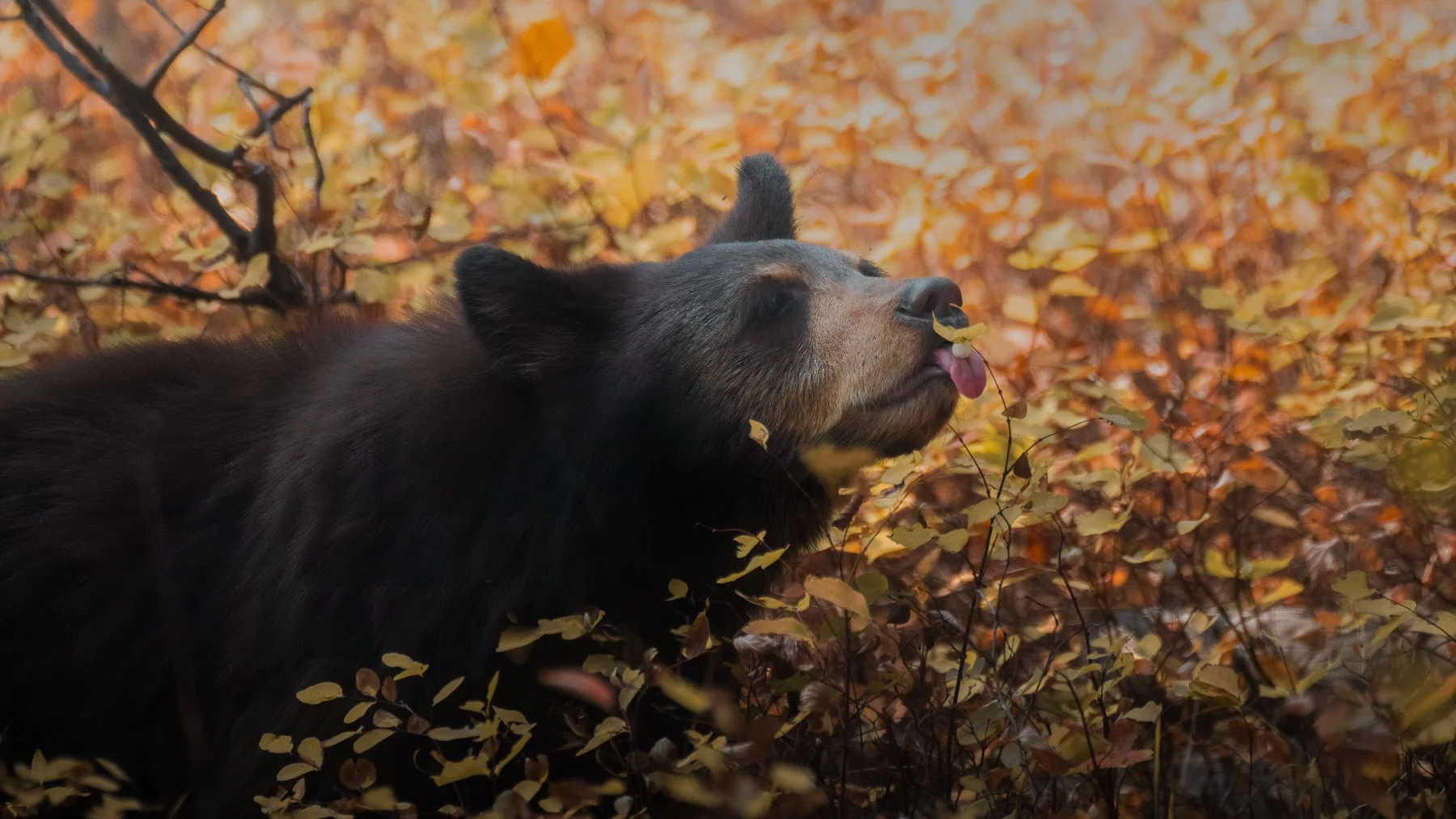
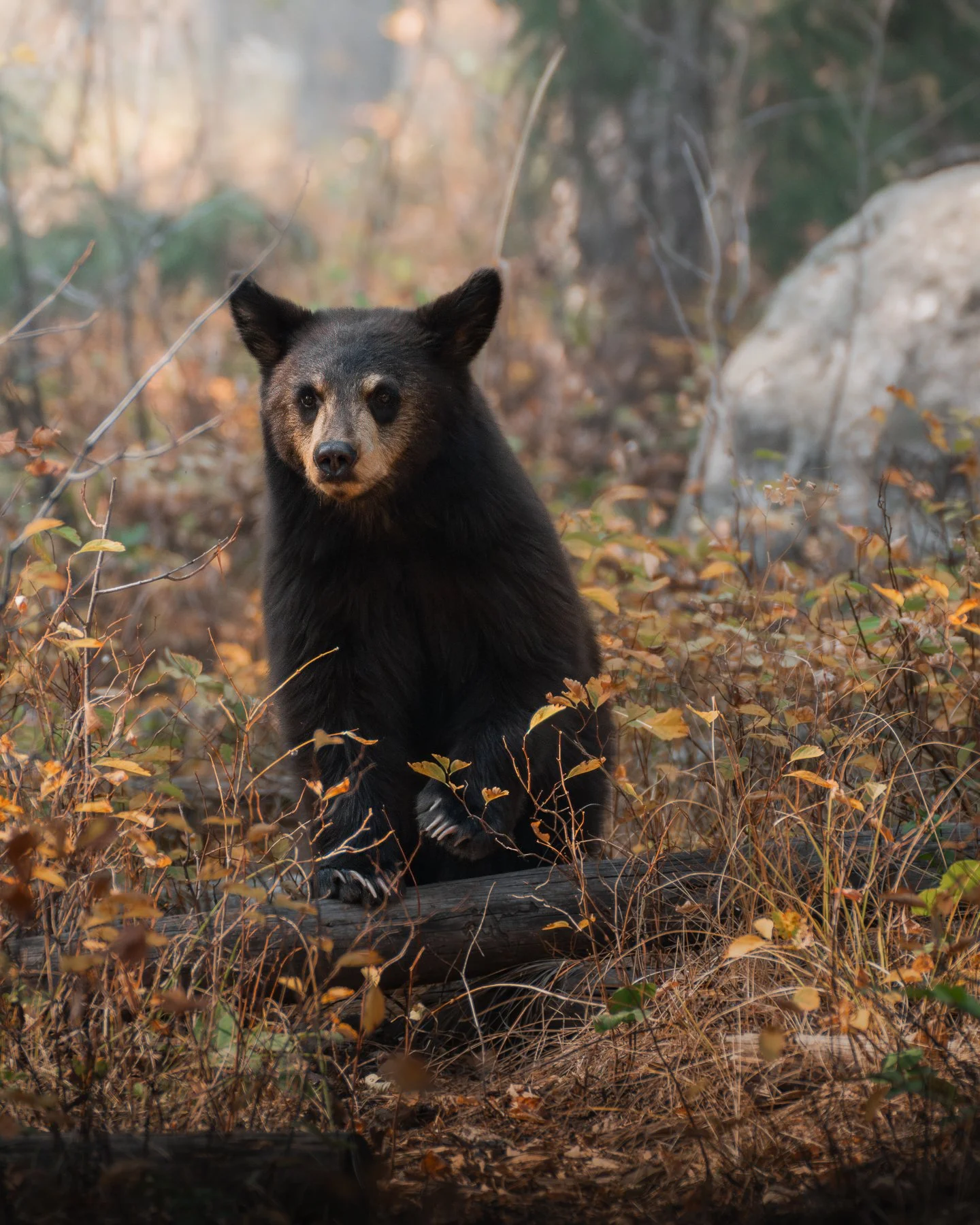
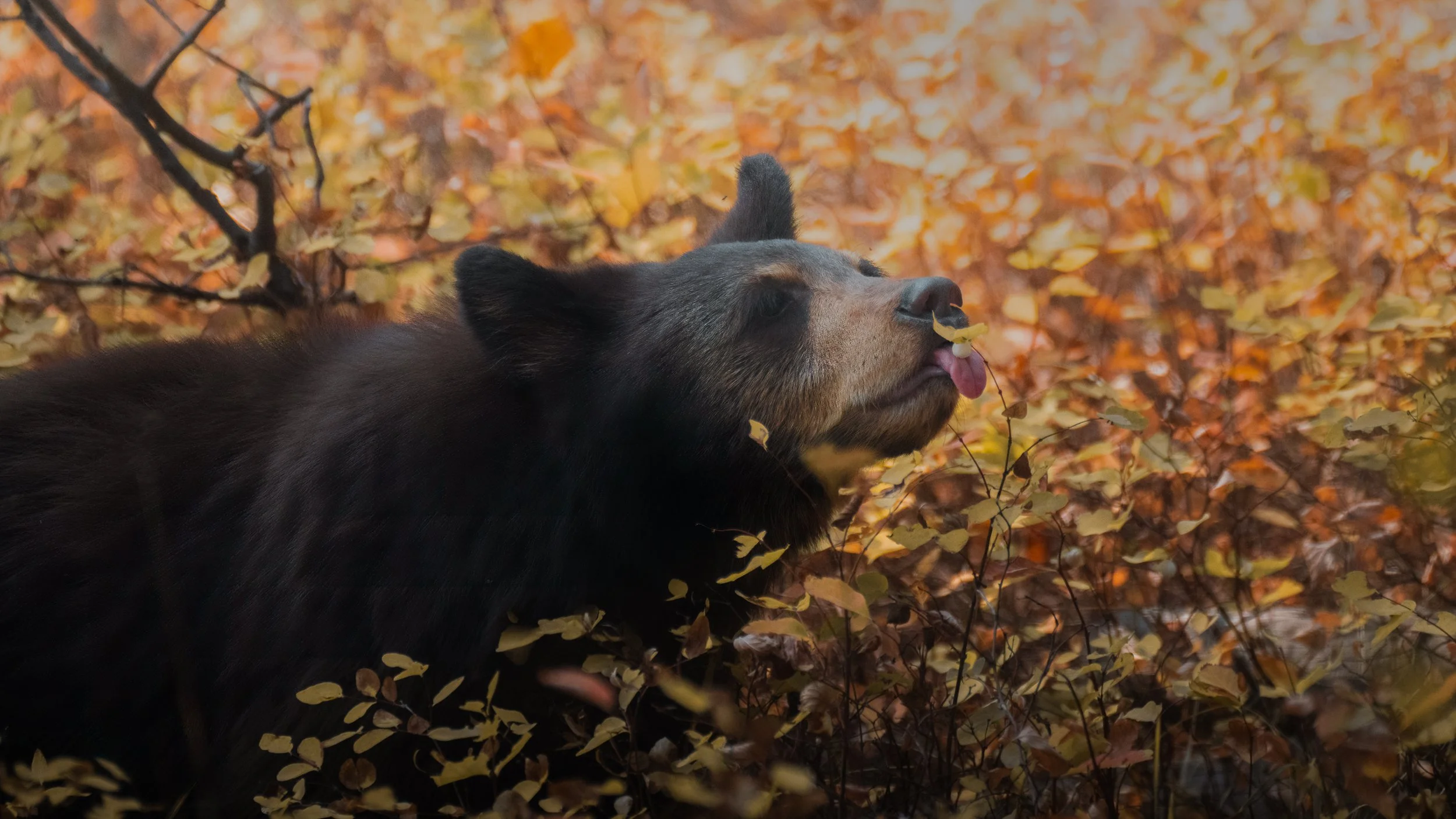
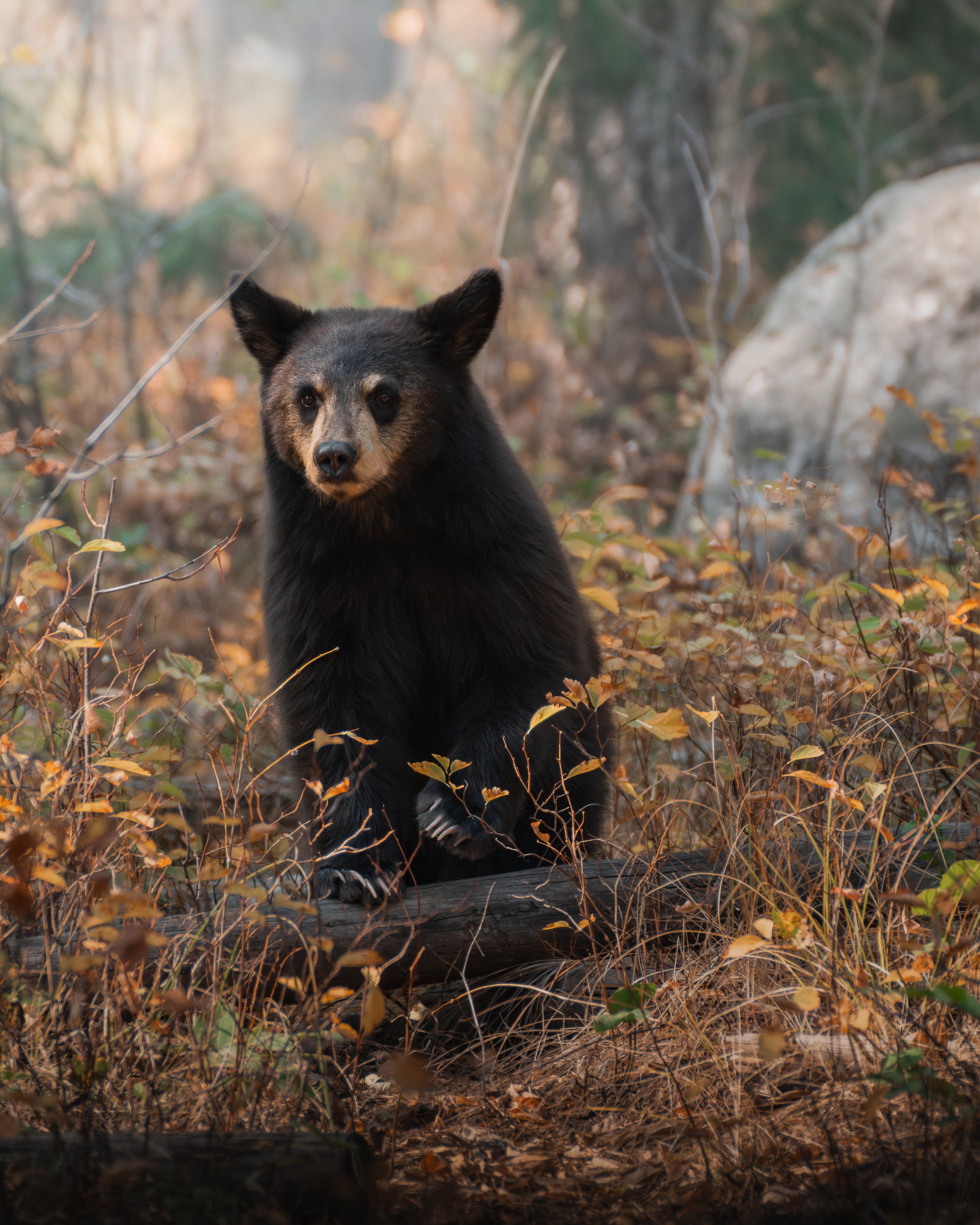
Grizzlies move widely across valleys and river systems, especially in autumn as they feed steadily before winter. They can often be seen crossing open meadows, digging for roots, or moving along riverbanks in search of food. Black bears also appear along forest edges, usually more quietly and often for shorter moments.
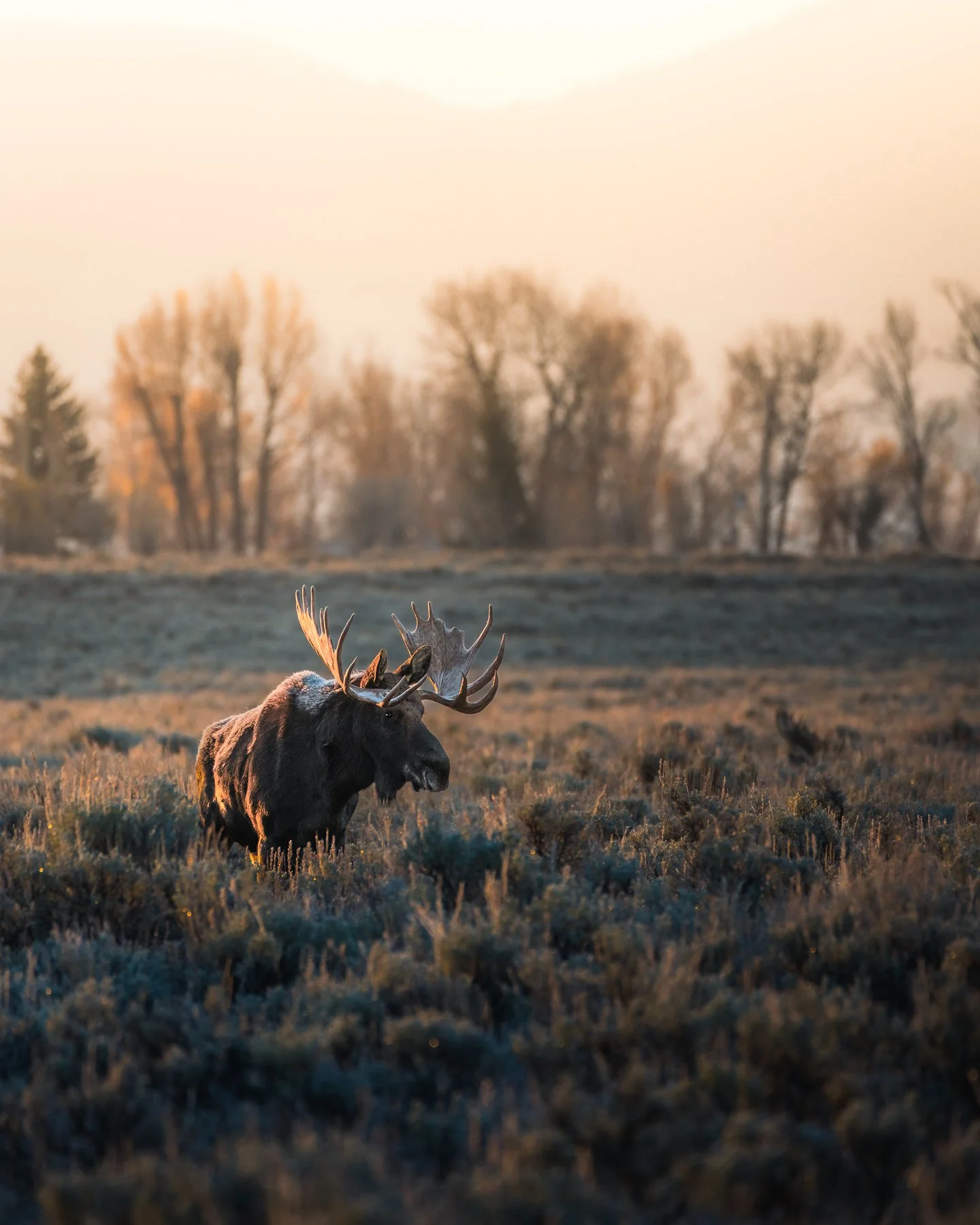
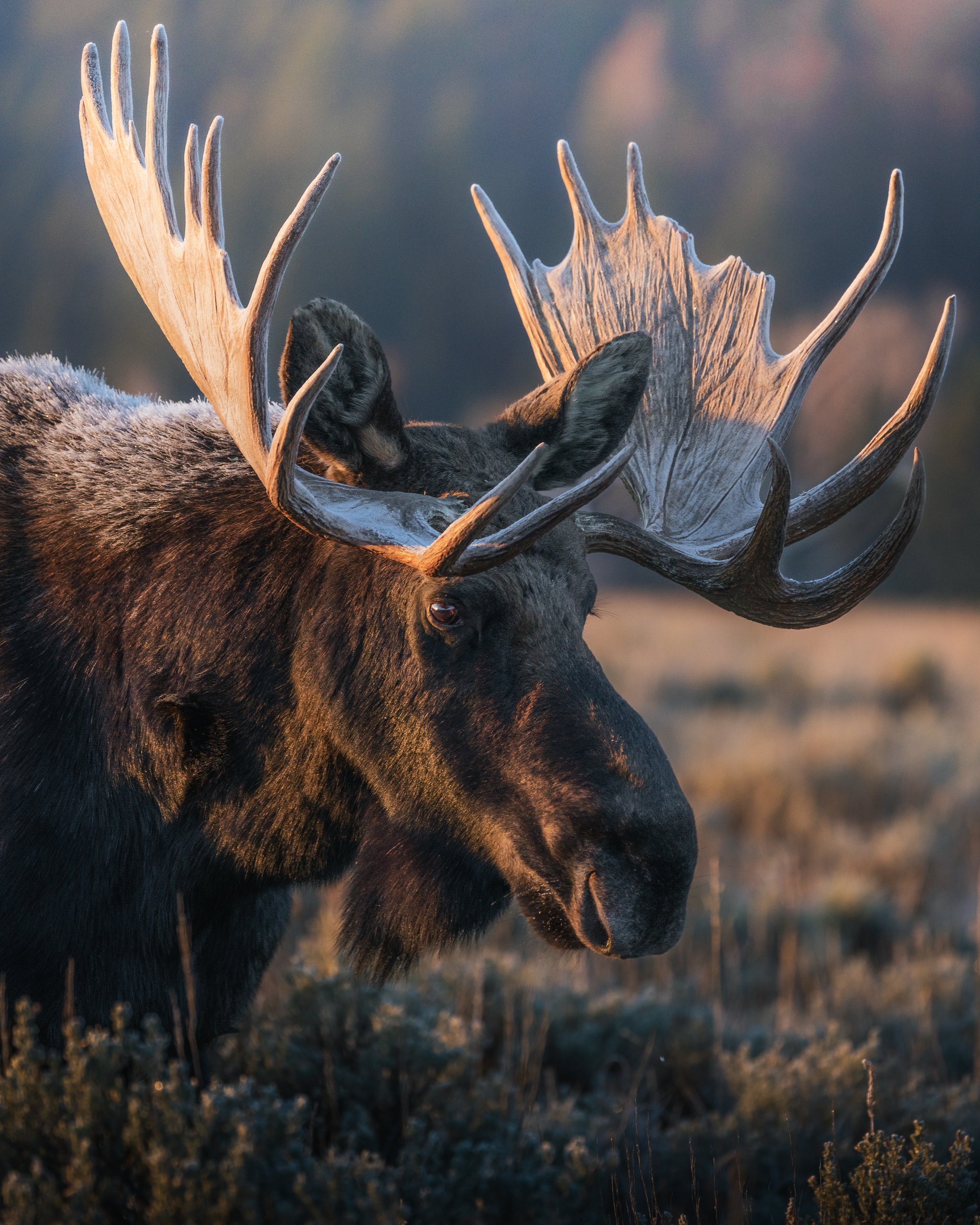
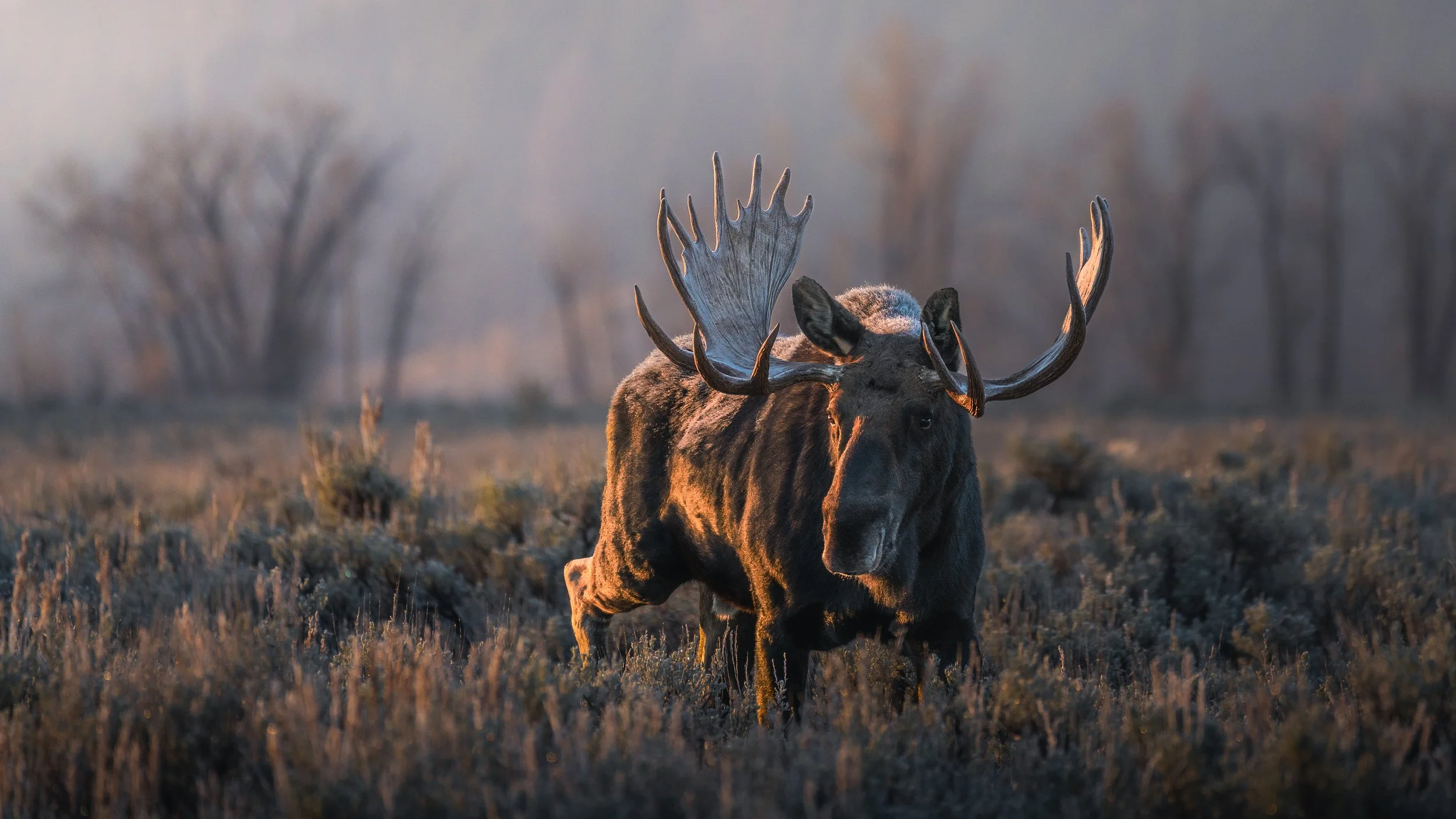
Moose bring a different kind of encounter. They tend to stay close to willow flats, wetlands, and slow river bends, browsing for long periods and moving slowly through their habitat. Early mornings and late afternoons often provide the best opportunities to watch them as they step out from the willows.
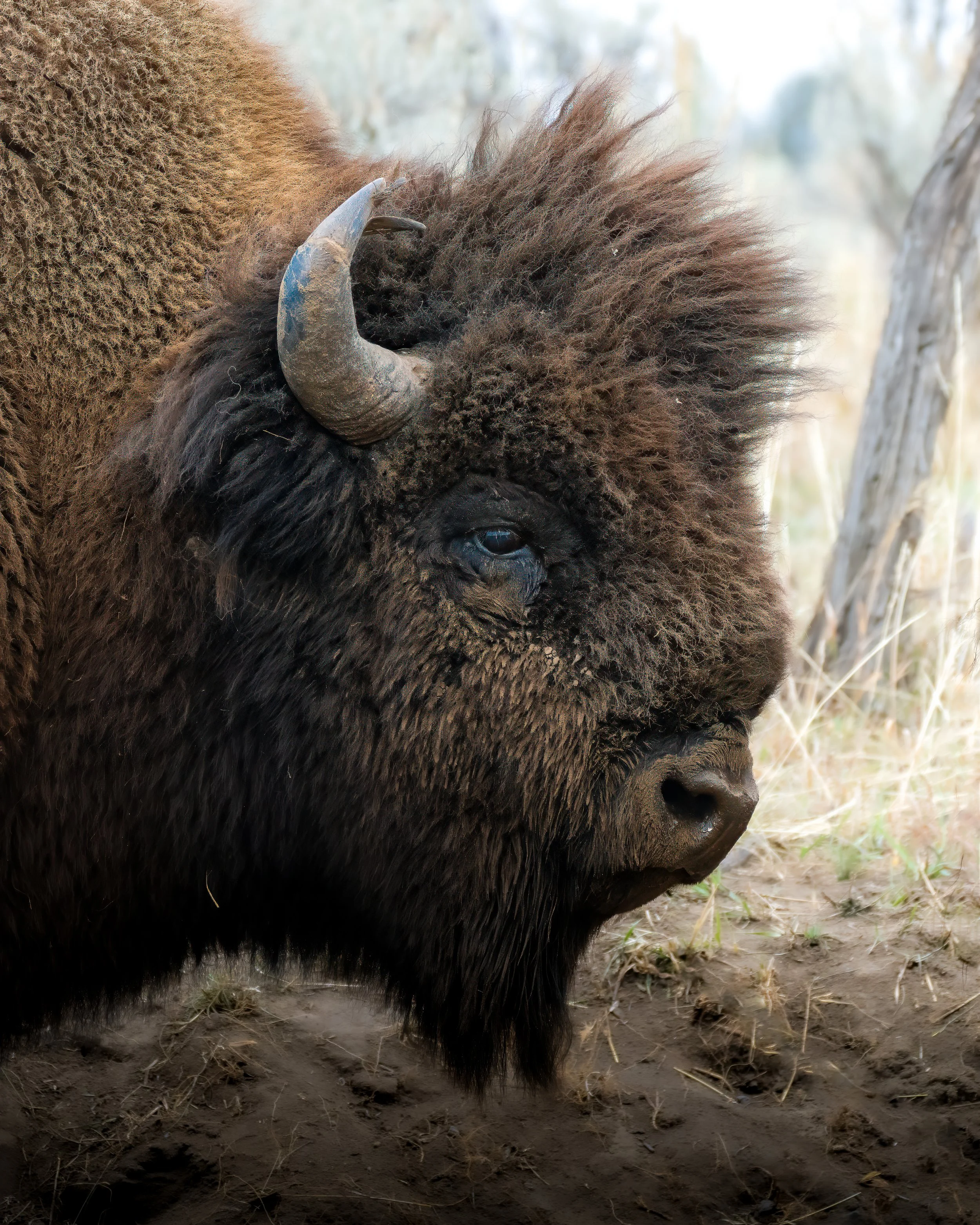
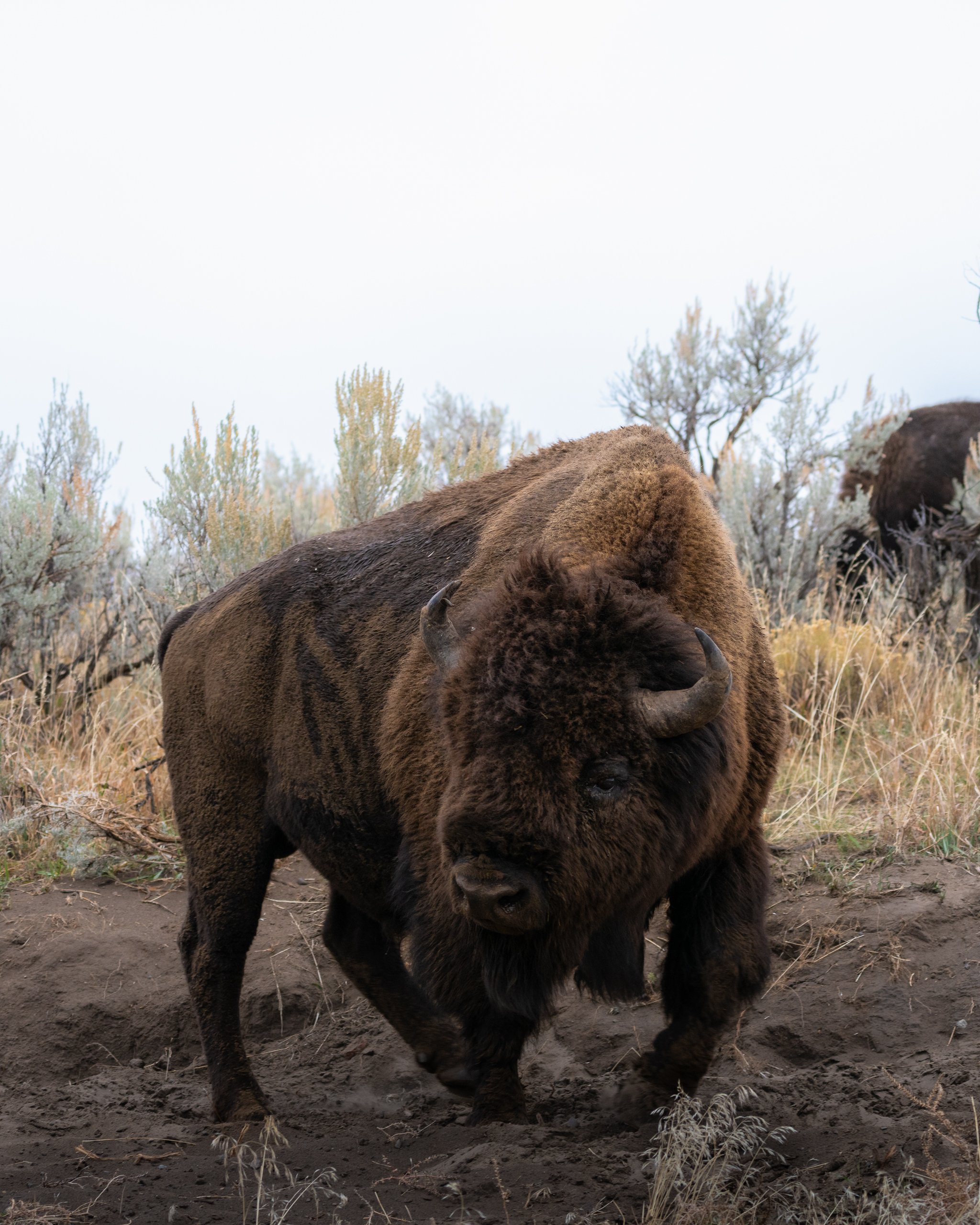
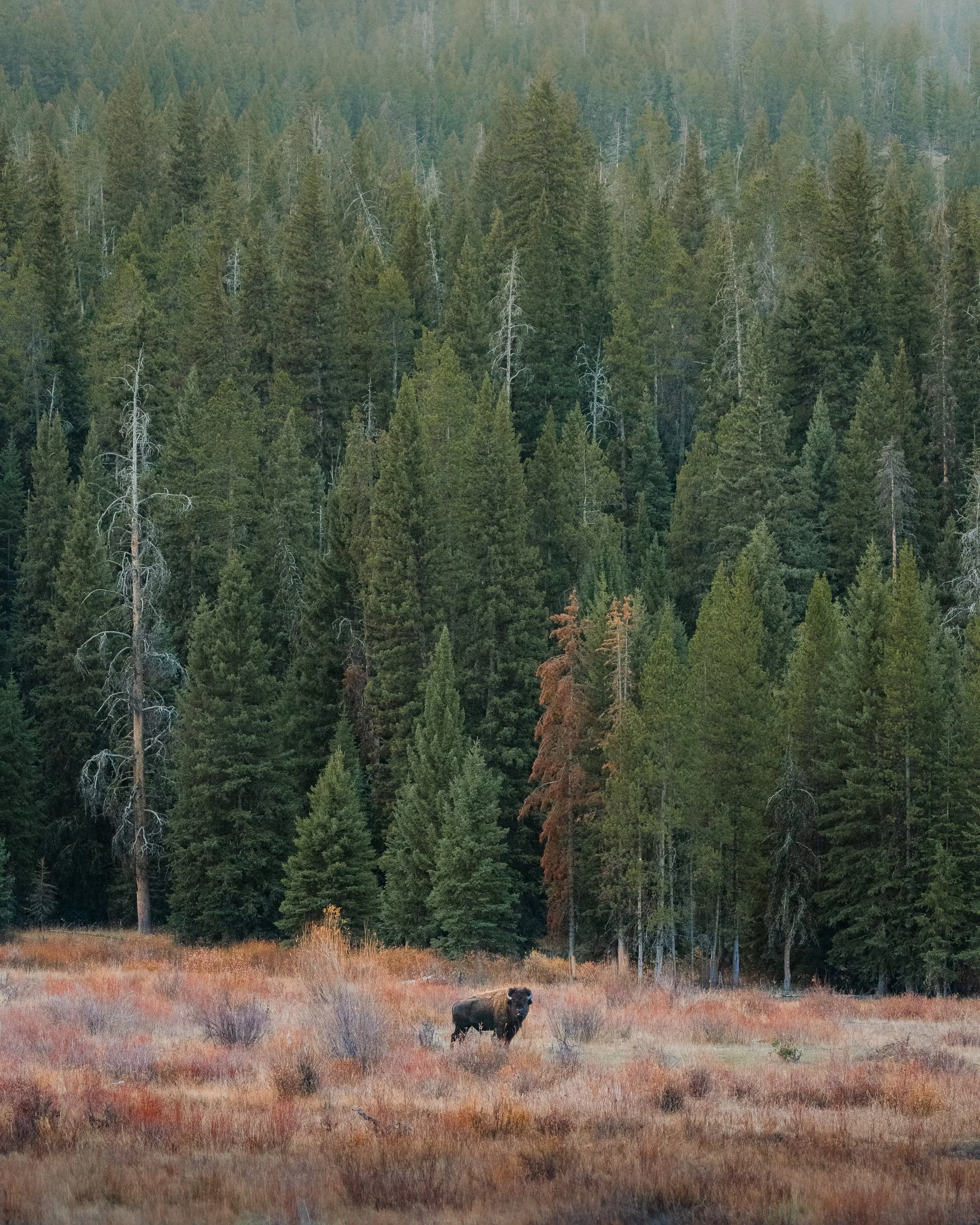
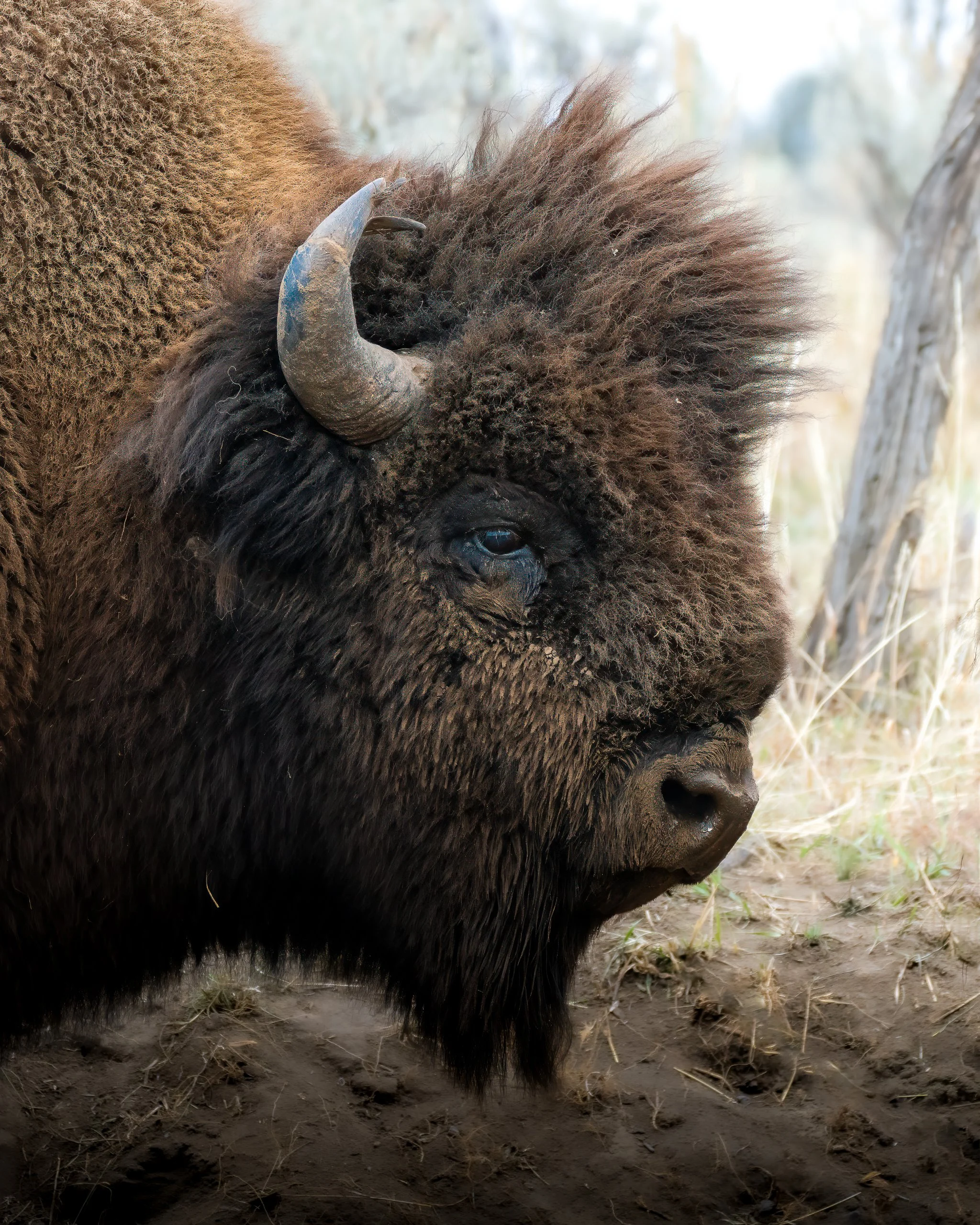
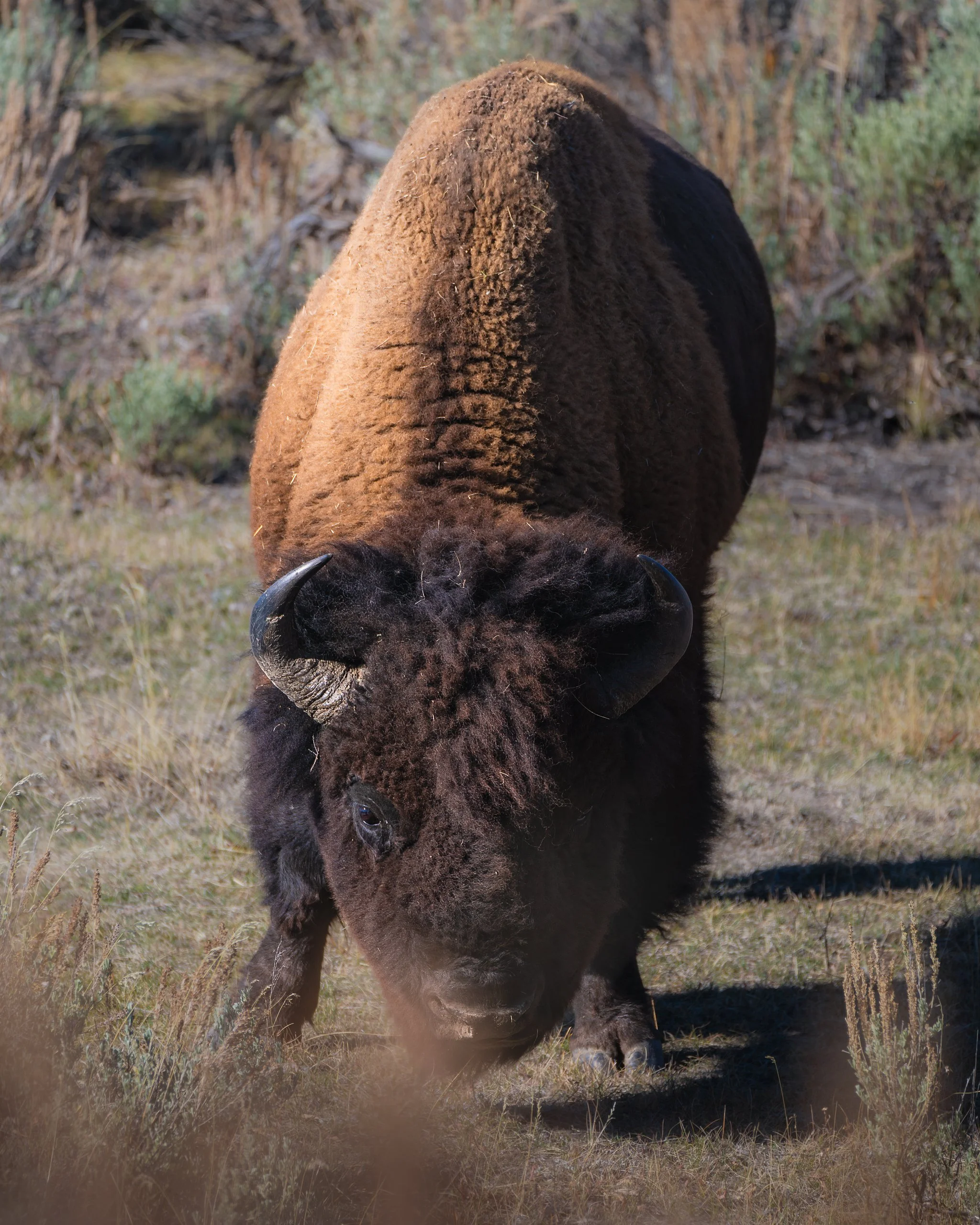
Other species are part of the picture as well. Bison move constantly across the valleys, giving scale to the landscape, and wolves occasionally appear along distant ridgelines or open ground. Each day unfolds differently, shaped by weather, light, and the movement of animals across these wide, connected ecosystems.
Pronghorn
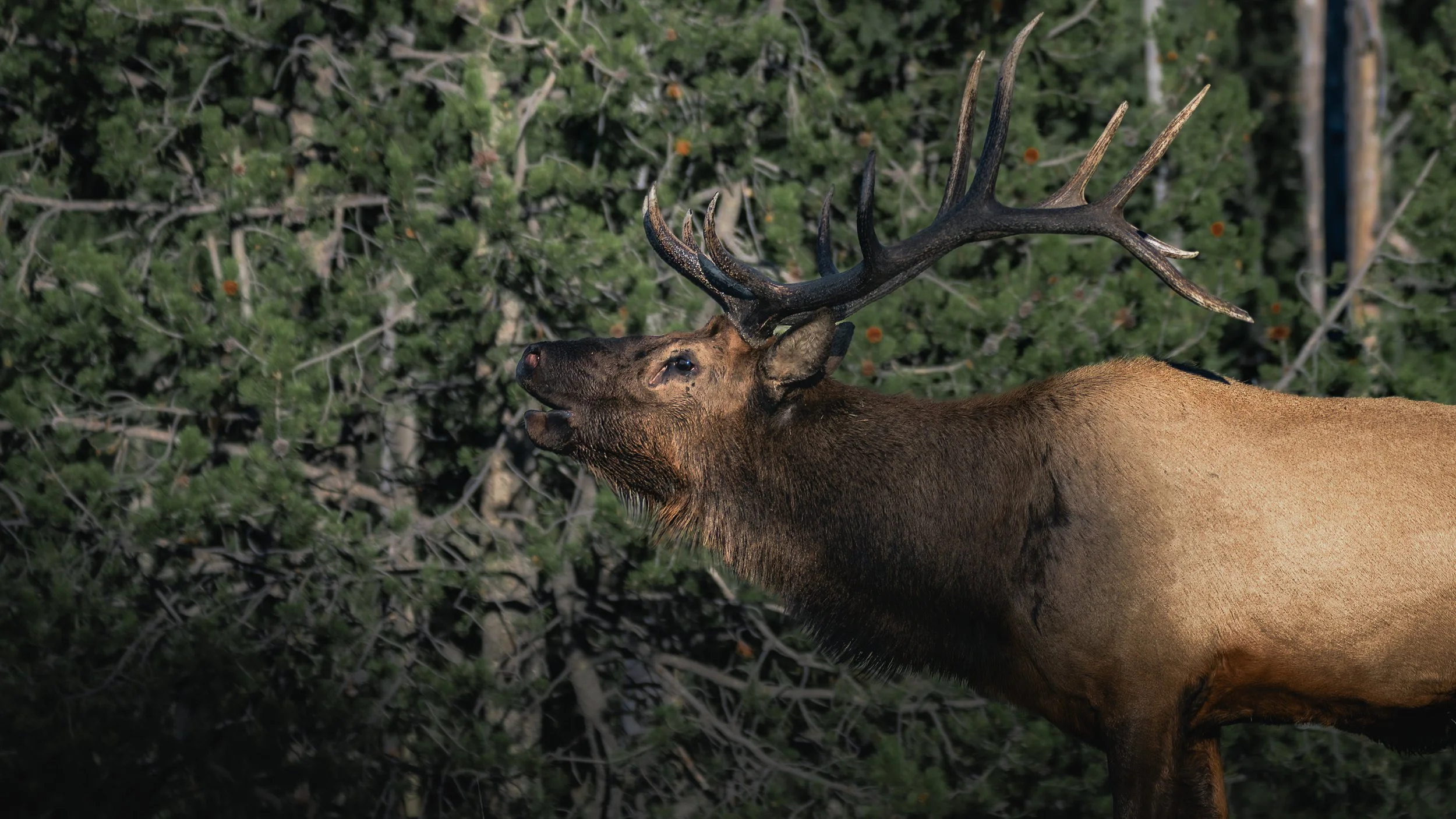
Elk
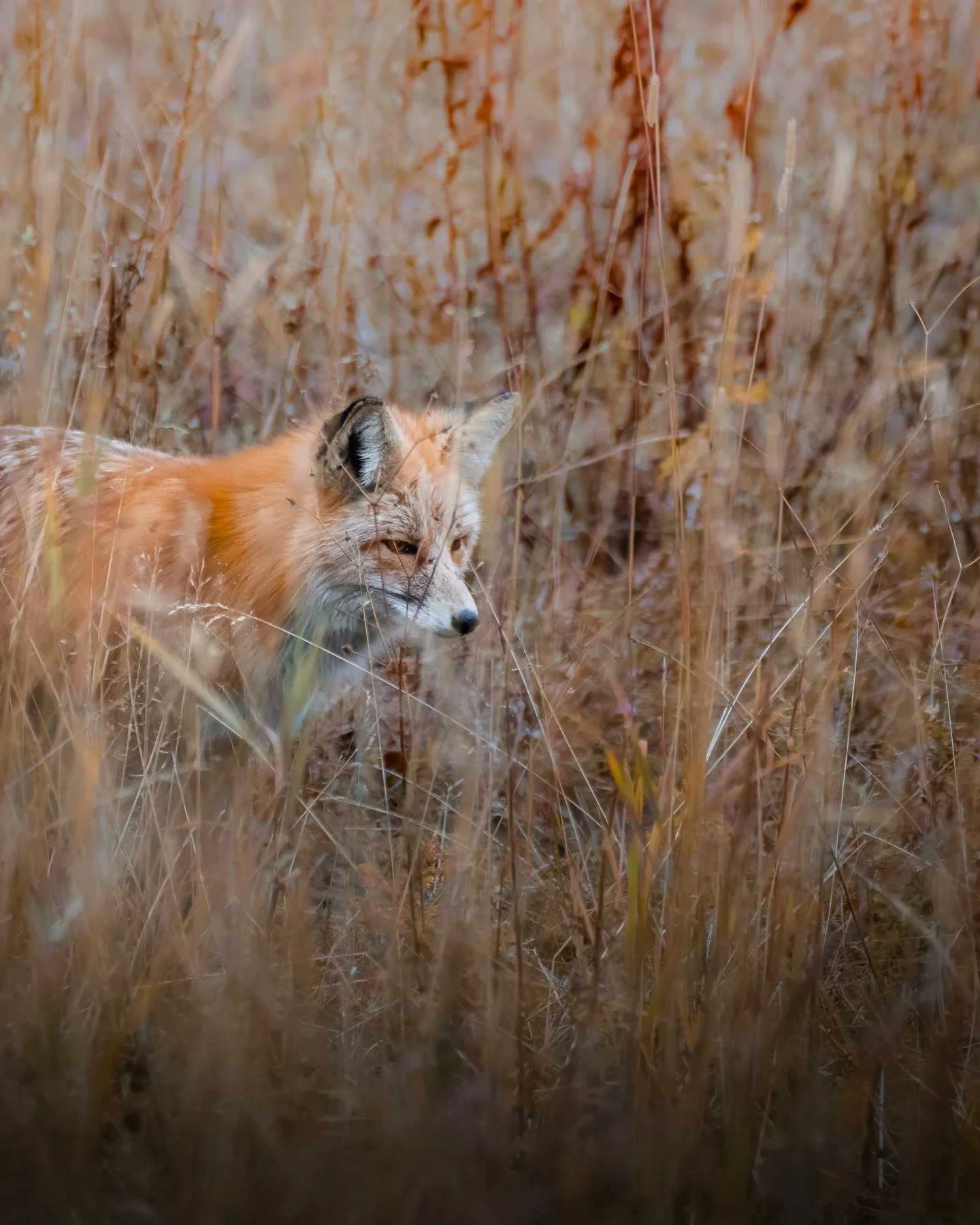
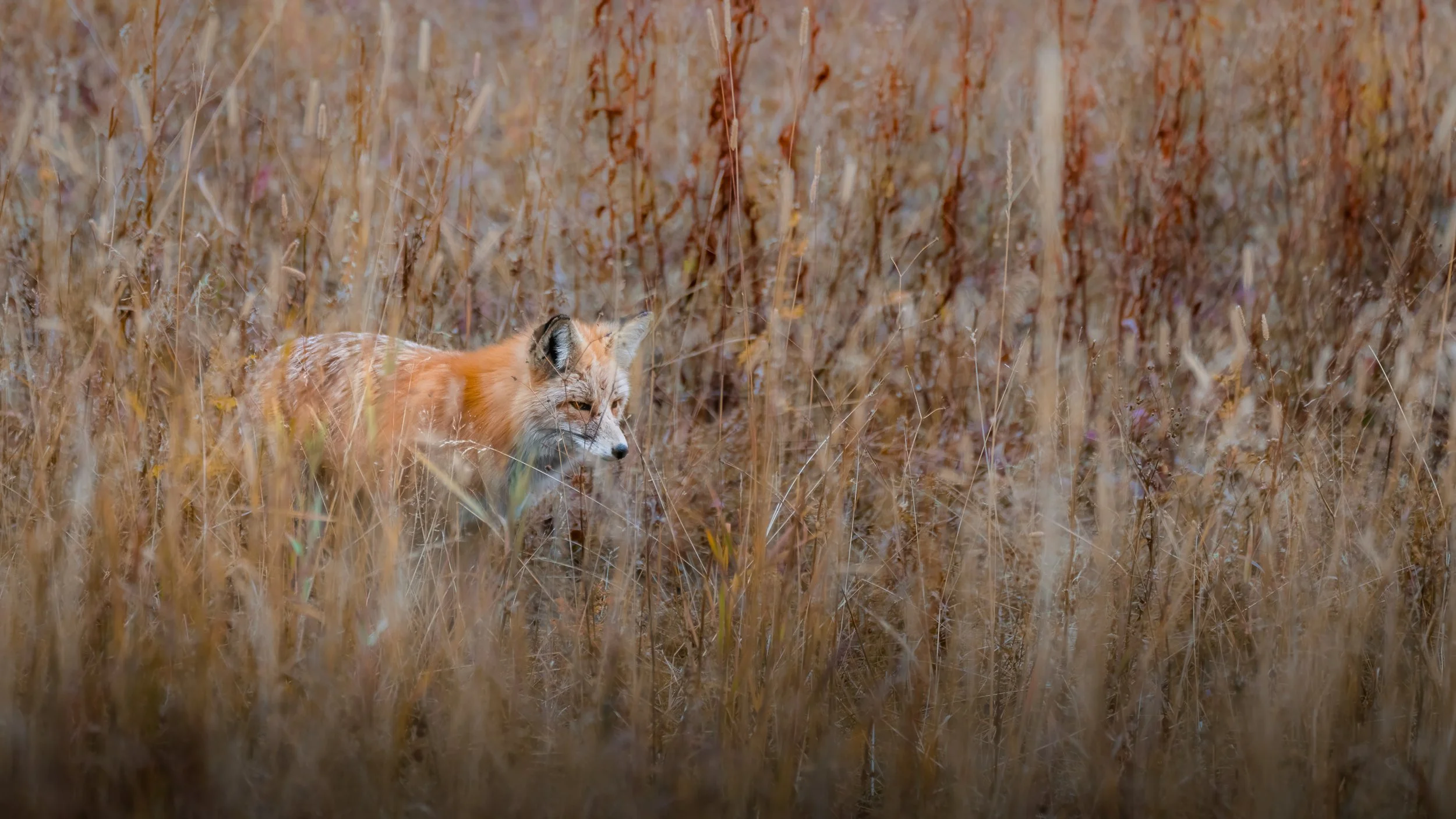
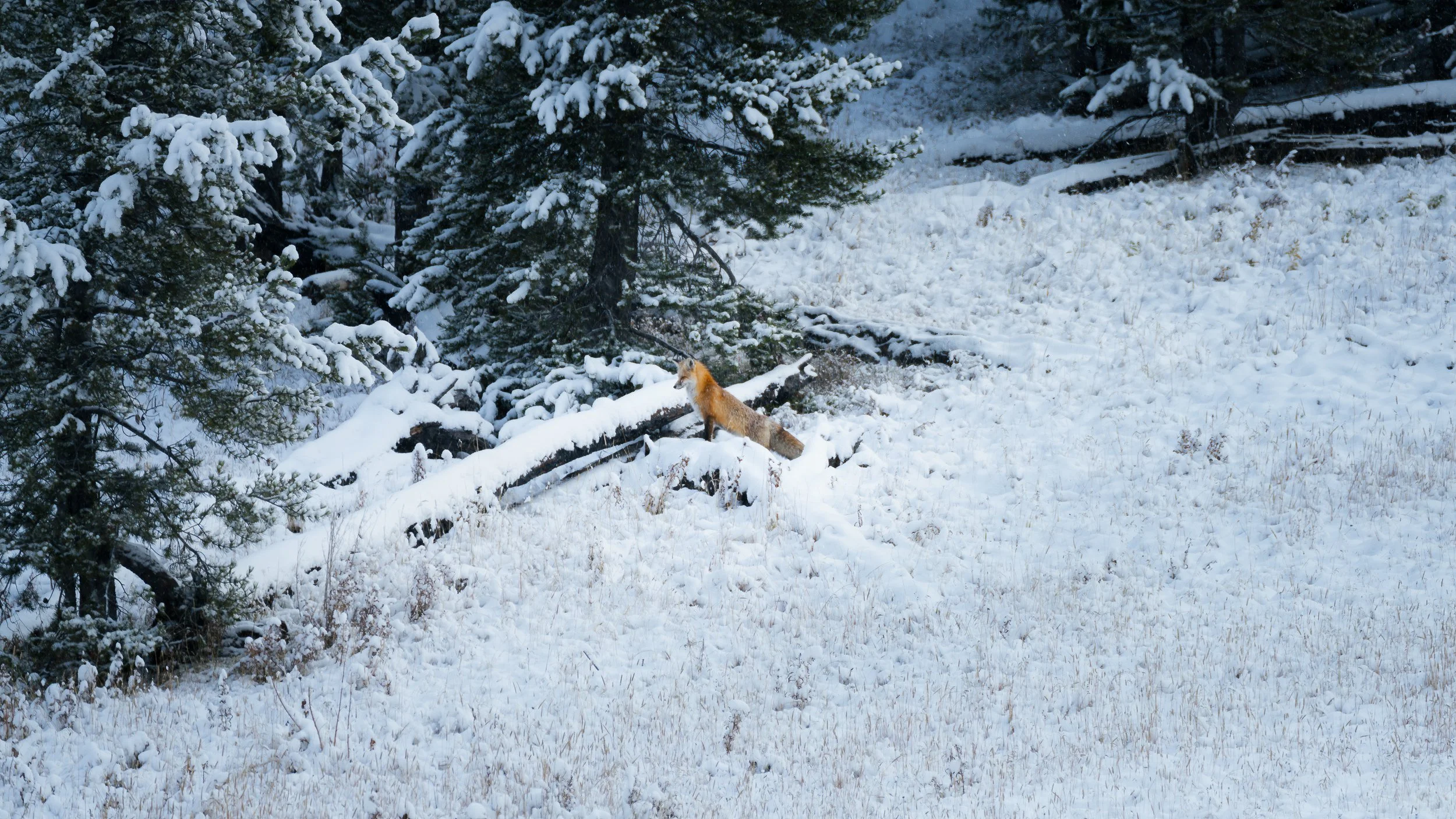
Red Fox
Coyote
Bighorn Sheep
Mountain Goat
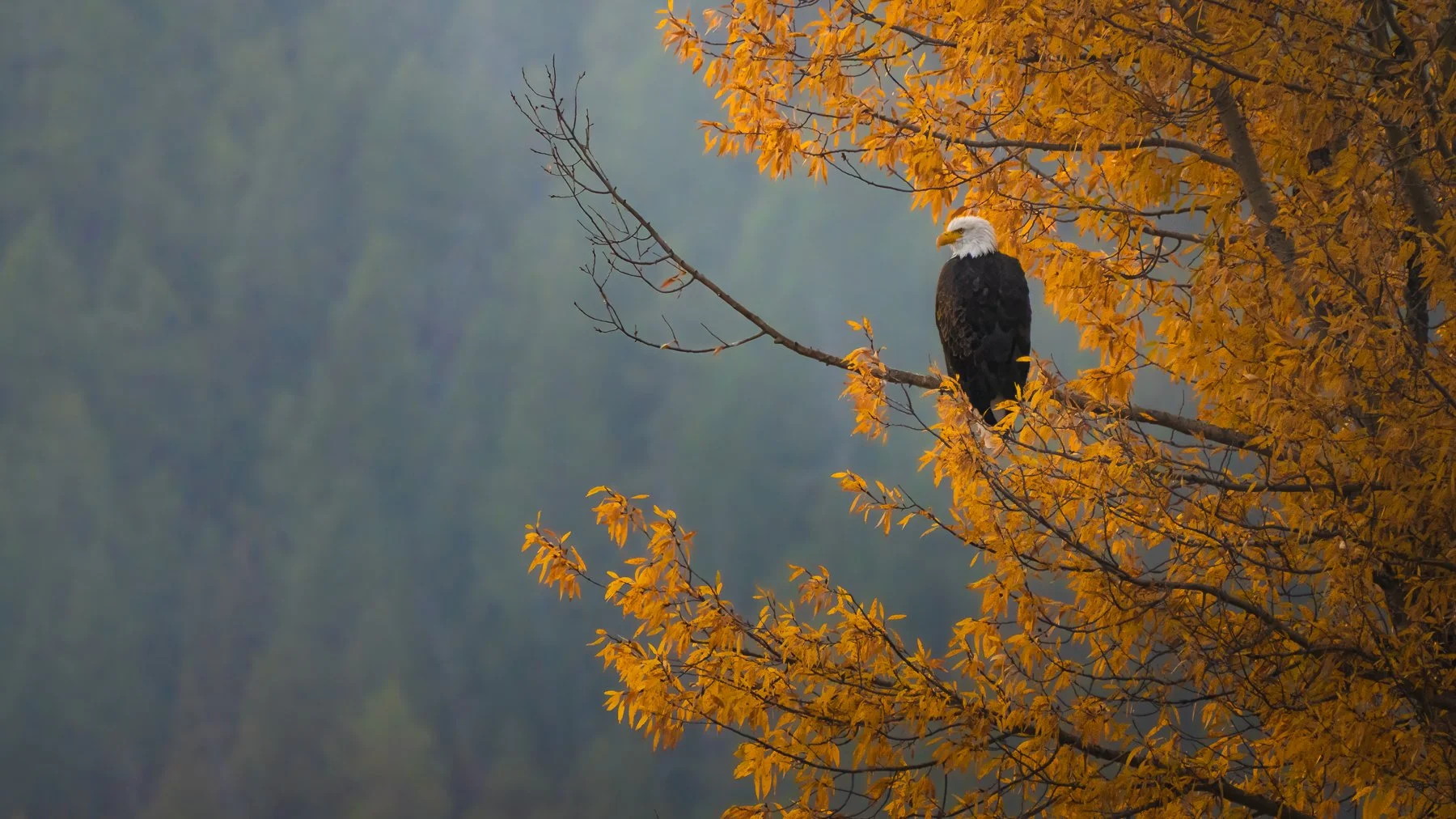
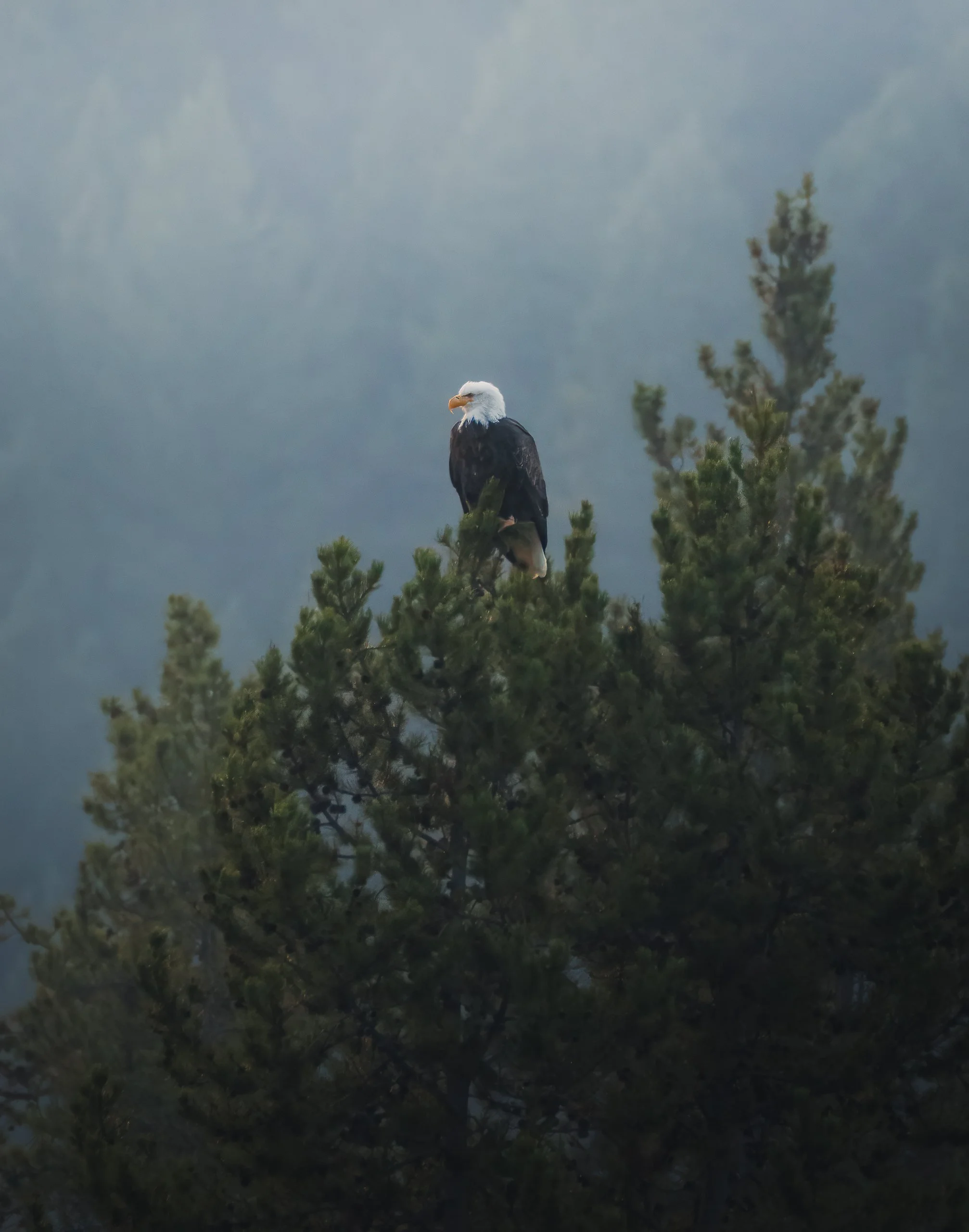
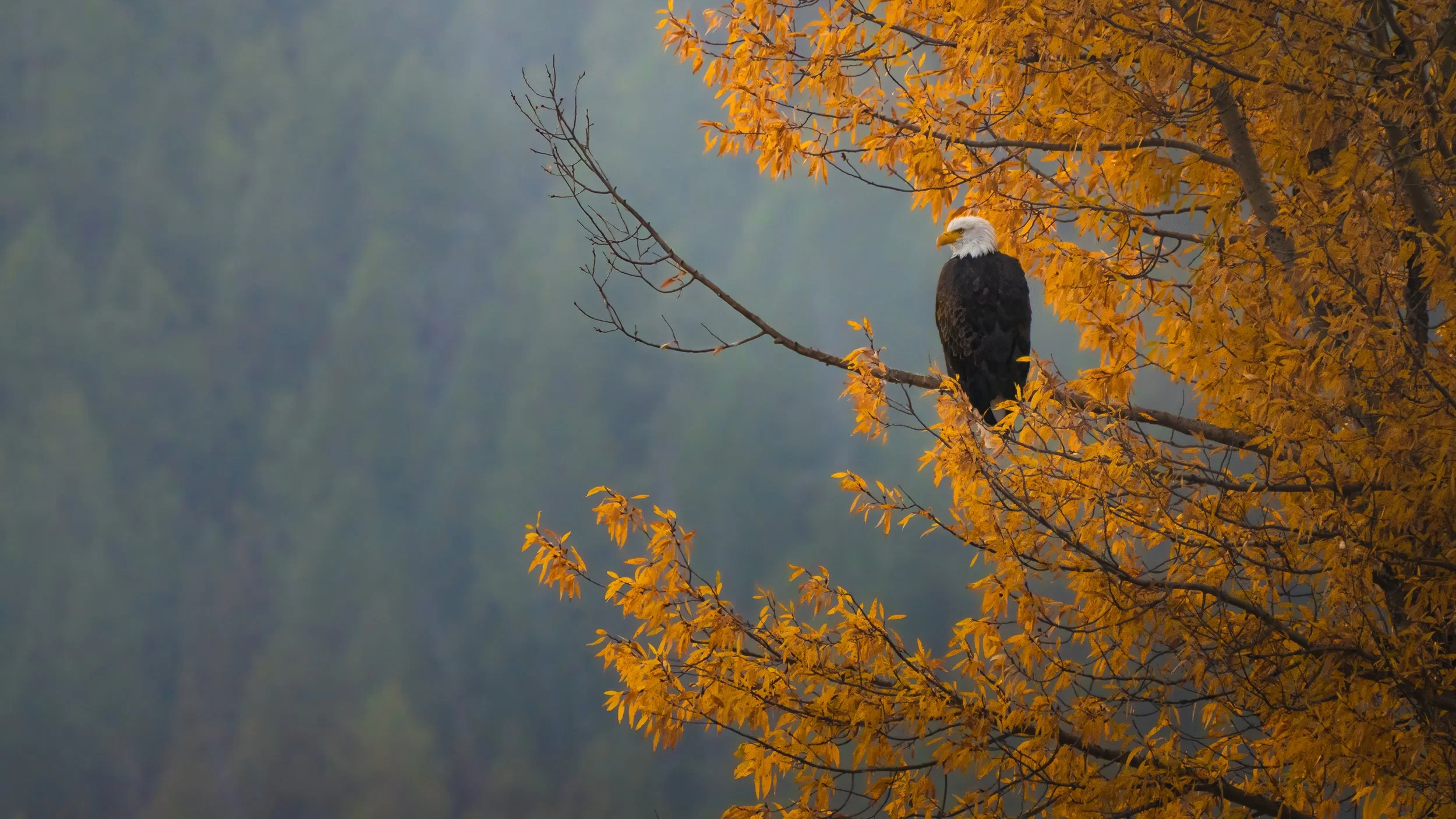
Bald Eagle
Great Grey Owl
Trumpeter Swan
River Otter
[THE JOURNEY]Duration
TBD.
Season
Autumn (Fall).
Group Size
Small group experience (4-5 people).
Focus
Moose & Grizzly Bear primarily.
Accompaniment
Yellowstone Local Wildlife Guide/Photographer.
Terrain
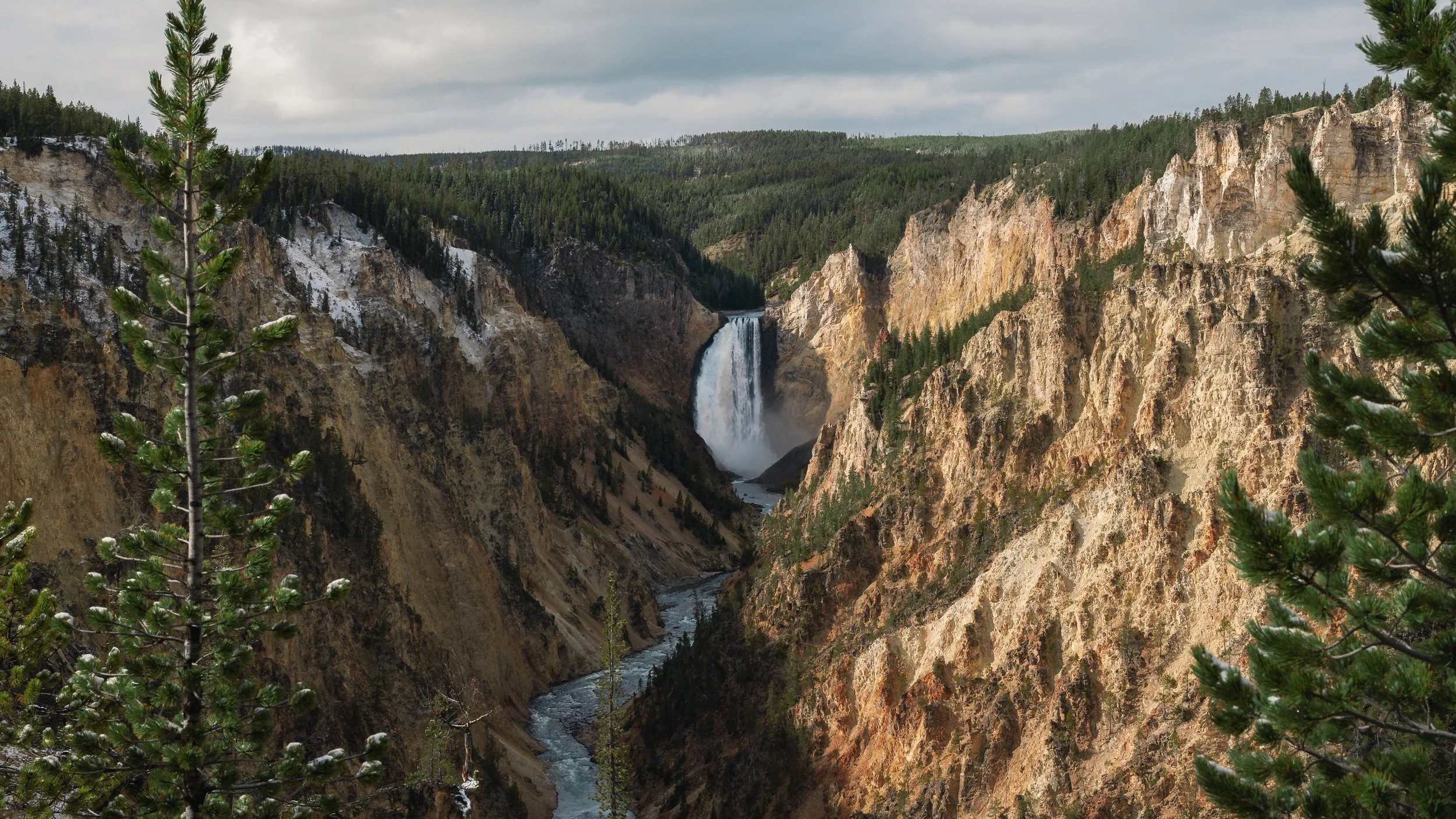
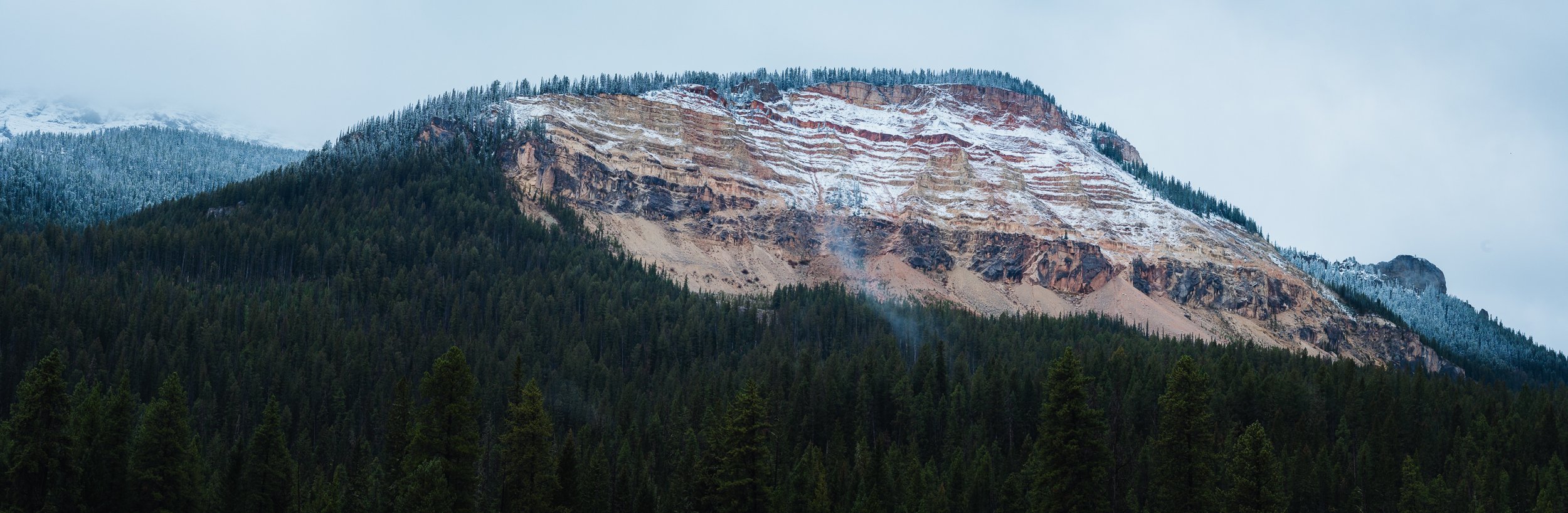
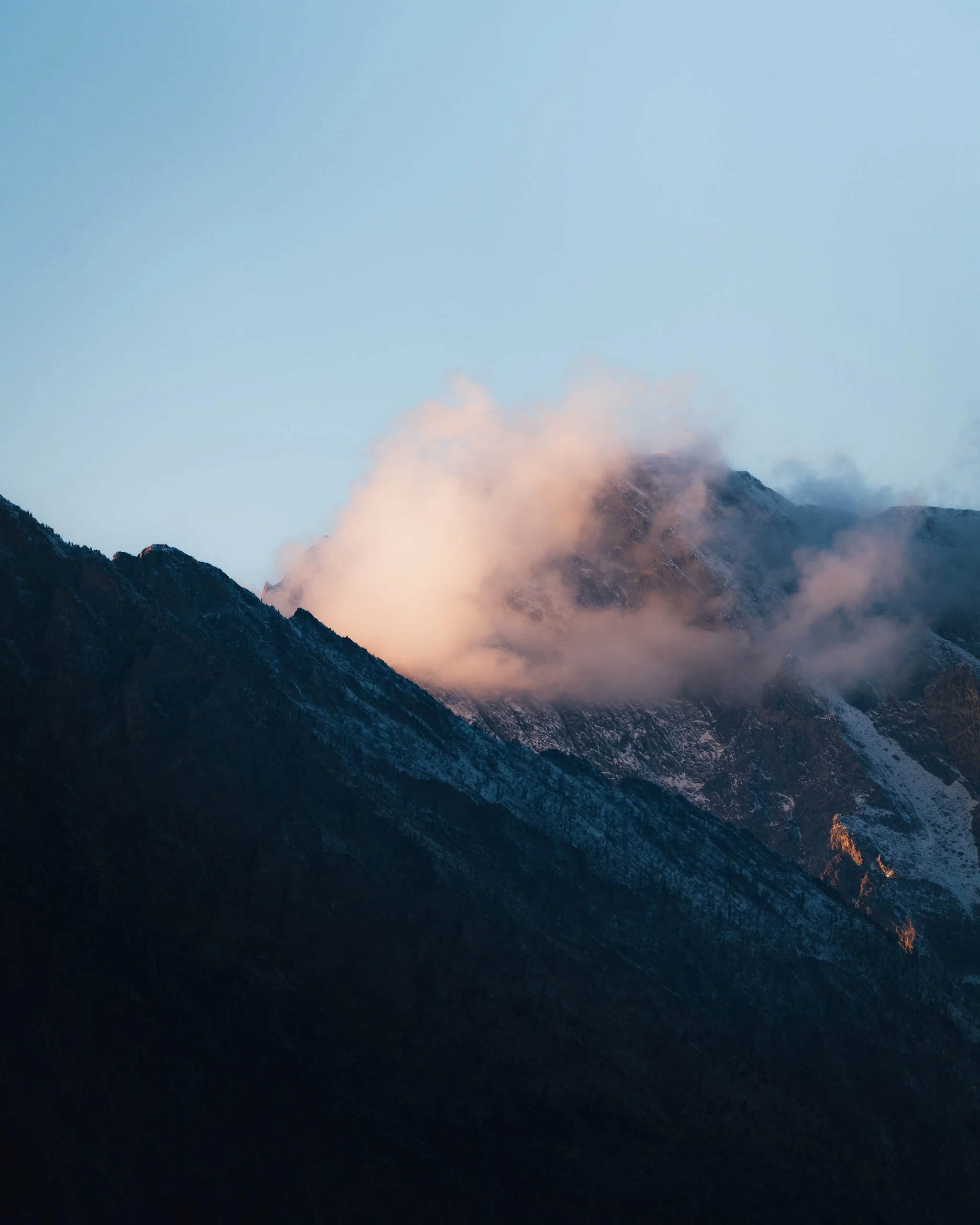
Open Valleys and Meadows, Forests and Woodlands, Mountain Landscapes and Thermal Areas.
Conditions
Cold temperatures, and possible snowy scenes.
Physical Level
Medium, short-medium hikes and field positioning throughout the day.
Photography Support
Field guidance, evening image reviews, and editing discussions.
Wildlife Possibilities
Moose, Black & Grizzly bear, Gray wolf, Great grey owl, Bald eagle, Elk, Pronghorn, Red Fox, Bighorn sheep.
Optional Experiences (not included)
Hiking
Essential Information
+Inclusions
Certified guide/tracker
Accommodation: X nights in Yellowstone/Gran Teton (shared room for 2, inquire about a private room)
Breakfast
Lunch
Hot drinks and snacks during field days
Round-trip transportation:
Airport ↔ Hotel
National Park entrance fees
Daily 4x4 transportation in the parks
Yellowstone ↔ Gran Teton
Field guidance throughout the trip, including editing
— Exclusions
Flights to/from Bozeman or Jackson
Dinners
Additional drinks
Photography equipment
Travel/Medical insurance
Tips (optional)
Optional activities
Anything not specifically listed under “Inclusions.”
[ FAQ ]-
No. This expedition is designed for photographers of all levels, nature lovers. The most important things are curiosity, respect for the environment, and the desire to experience the real outdoors with a different perspective.
-
By being accompanied by someone who knows the ecosystem, we significantly increase the chances and tip the balance in our favor. That said, wildlife is never guaranteed. The goal is to create the best possible conditions for meaningful encounters, always on the animals’ terms.
-
Weather in Yellowstone and Grand Teton can change quickly, especially in fall and winter. Snowstorms, wind, or sudden temperature drops are part of the ecosystem. We adjust daily plans based on conditions, focusing on safety first and repositioning when needed.
Wildlife continues to move in all kinds of weather, and some of the most memorable moments happen in snow, mist, or dramatic skies. Flexibility is part of the experience, and we work with the conditions rather than against them.
-
We can provide guidance on flights, transfers, and recommended arrival times. While participants are responsible for booking their own travel, we’re happy to share practical advice to make the journey smooth.
-
A telephoto lens is strongly recommended for wildlife, along with a wide-angle lens for landscapes and environmental scenes. Bring a camera body you’re comfortable using in changing conditions, and if you have one, a sturdy tripod for low light and longer observations.
Cold temperatures can drain batteries quickly, so extra batteries and memory cards are essential. Layered winter clothing, gloves you can operate your camera with, and reliable footwear are just as important as your gear. A detailed packing guide will be shared before departure so you feel prepared without overpacking.
-
Group size is about 4-5 people; this is intentionally small. This allows for better positioning in the field, more personalized photography guidance, and a quieter presence around wildlife.
* Common Questions
Reservation Process
〰️
Terms & conditions
〰️
Reservation Process 〰️ Terms & conditions 〰️
Booking Details
-
Space, prices, dates, and final details of the expedition are confirmed (includes / does not include).
-
To secure the reservation, a deposit of 30% of the final price is made. With this payment, the spot is blocked and confirmed.
-
The official confirmation and a complete guide with recommendations on equipment, clothing, and preparation for the Patagonian winter are sent, after confirmation.
-
The balance is settled 90 days before the start of the trip, on the previously established date.
-
Before the start, a short briefing is held to resolve any doubts and be fully prepared for the field.
The Fine Details
VIEW OUR BOOKING & CANCELLATION POLICY.
Request Information
*
Book Now
*
Request Information * Book Now *
Some journeys begin with a simple message.
If you’re considering joining the expedition, we’d be happy to hear from you.